
Delta II
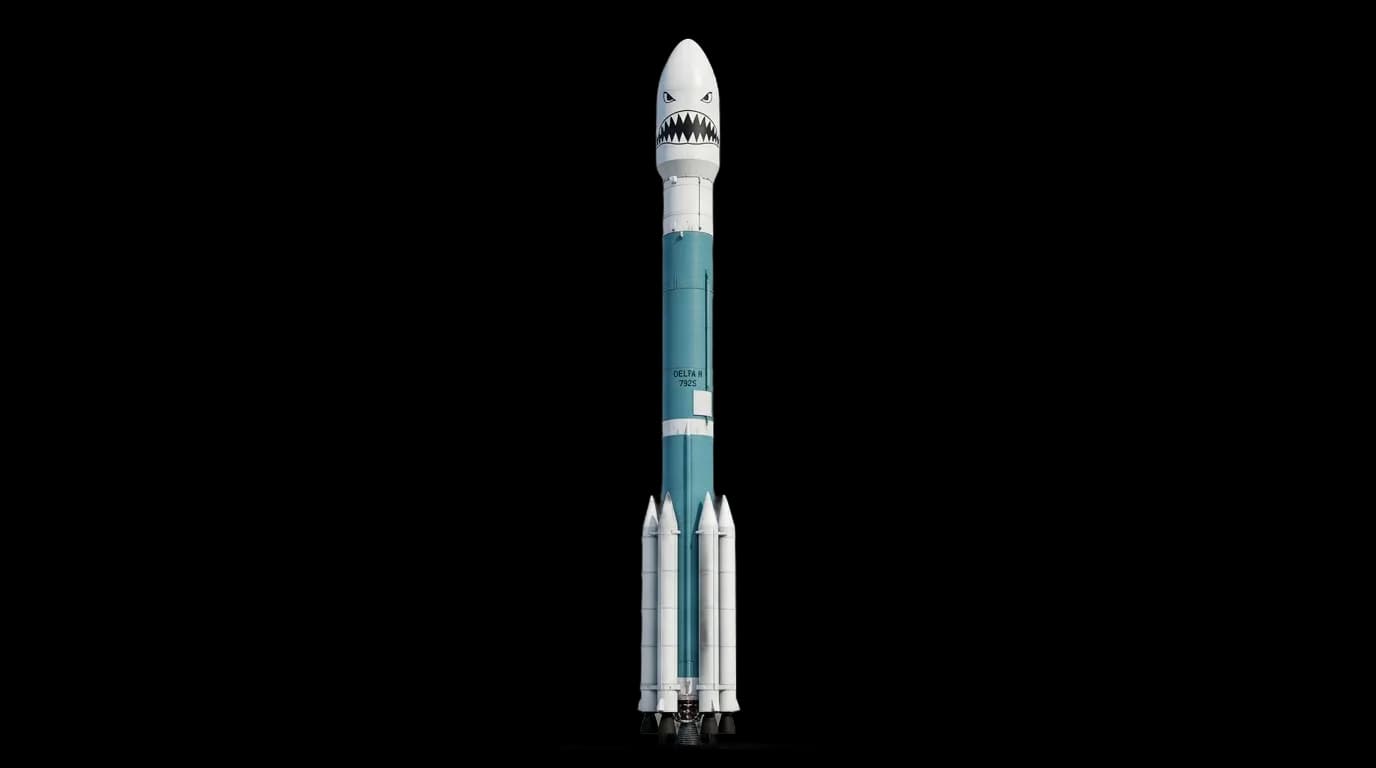

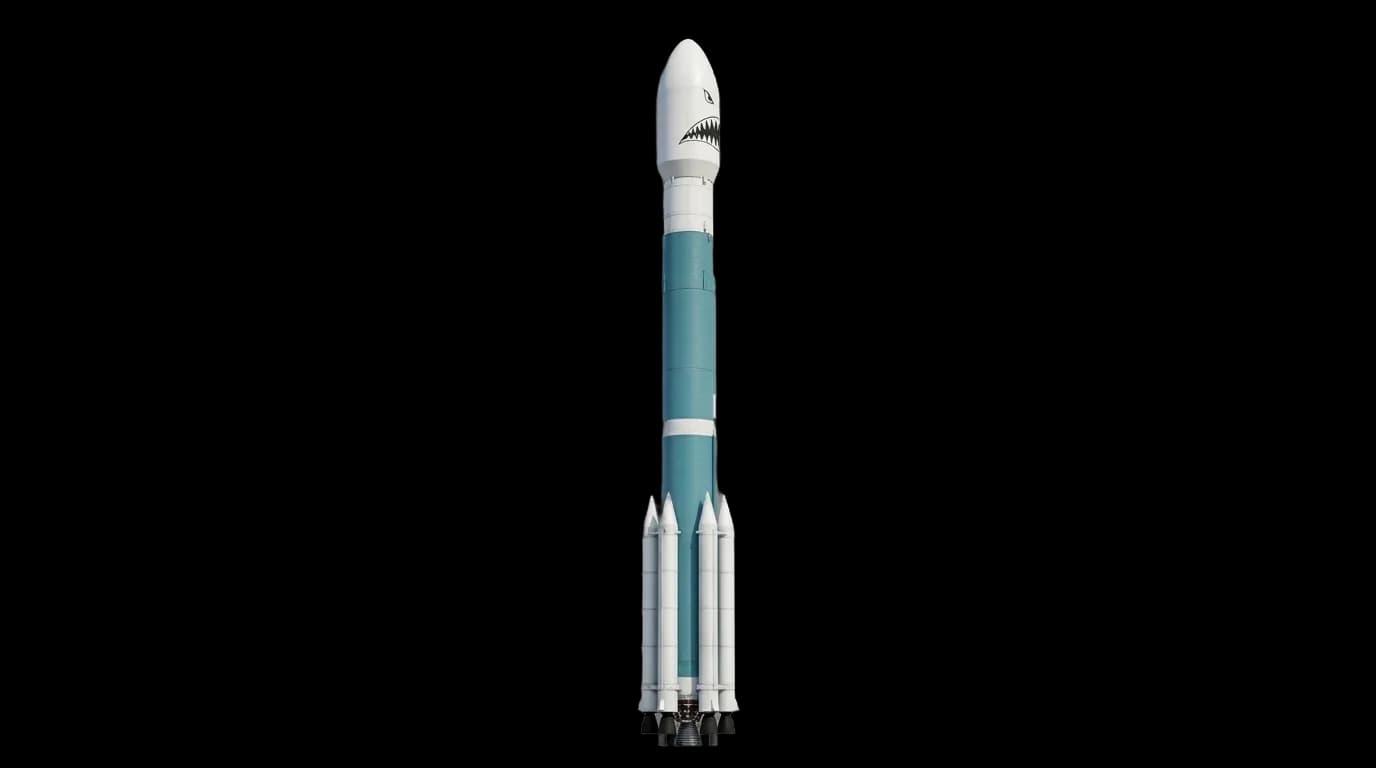
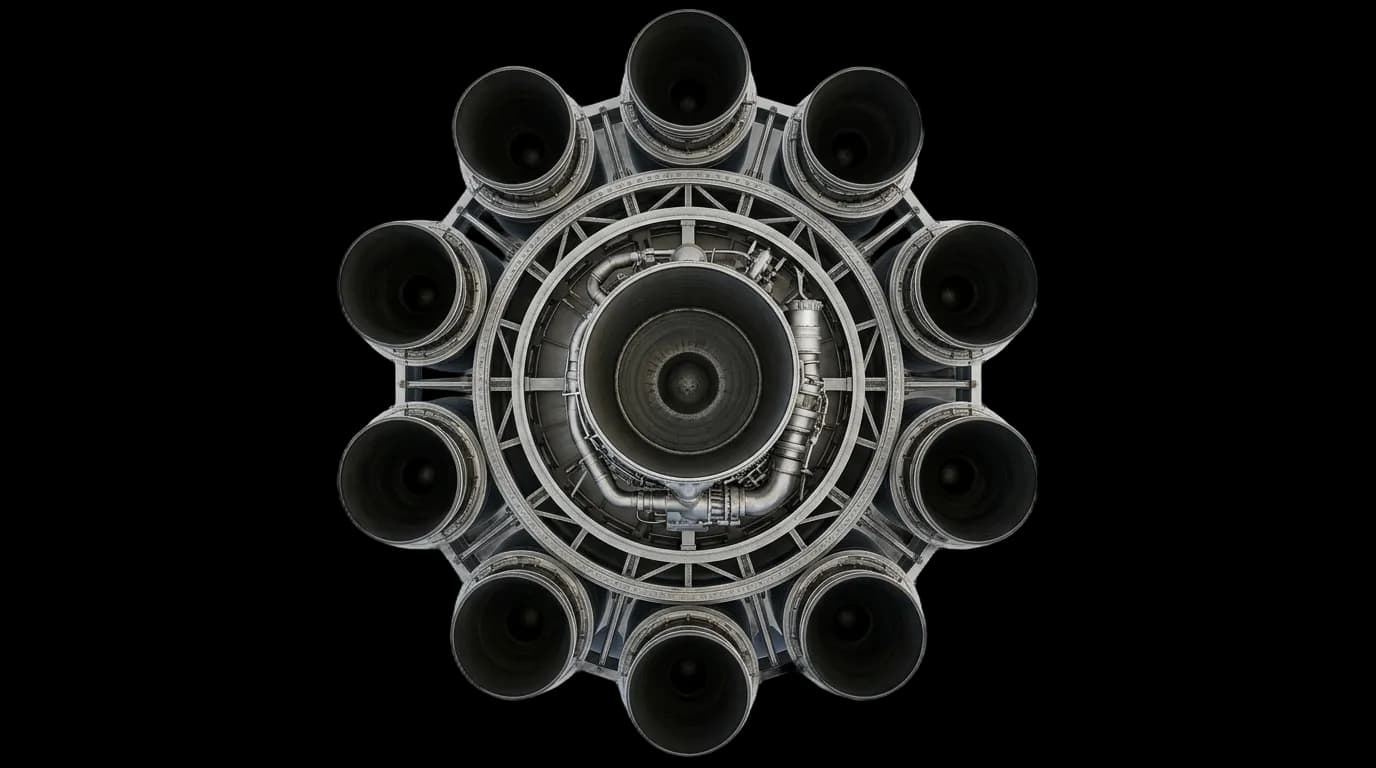

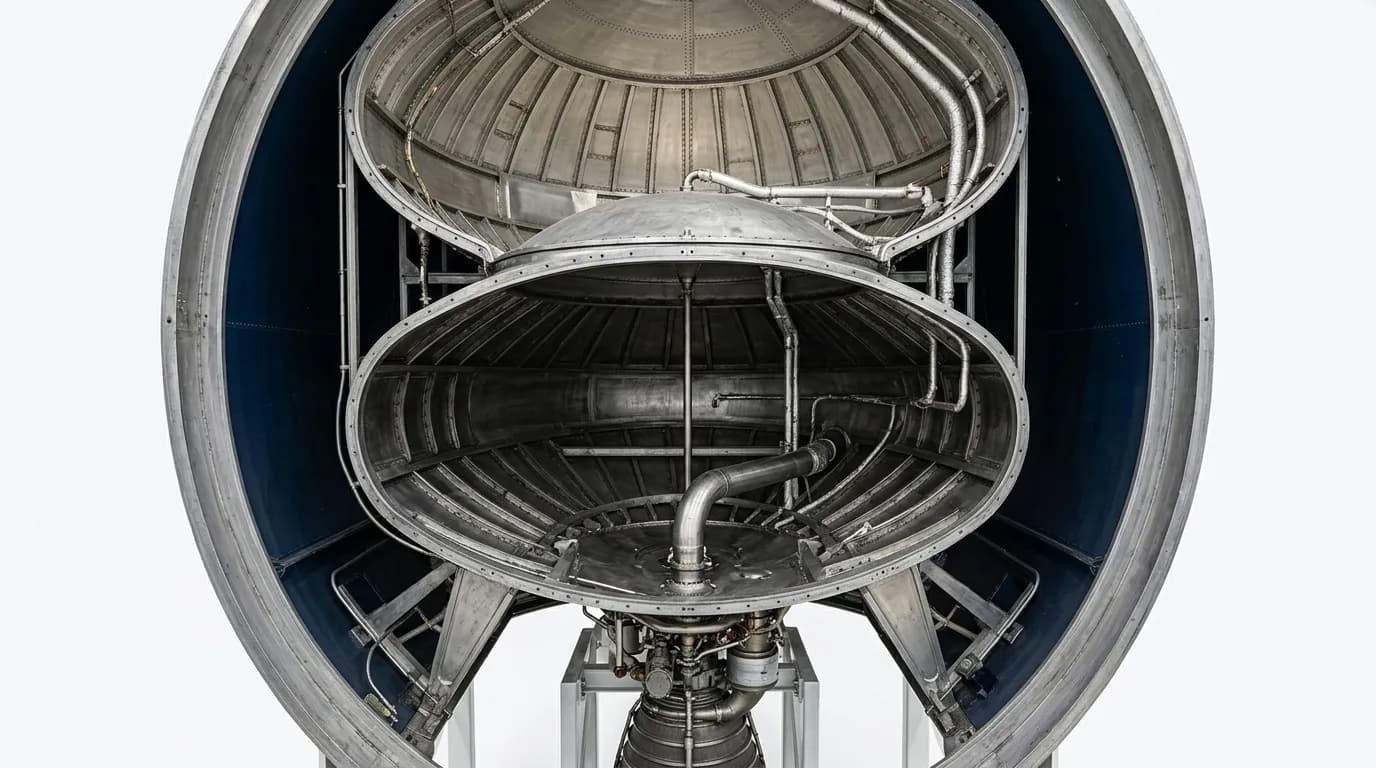
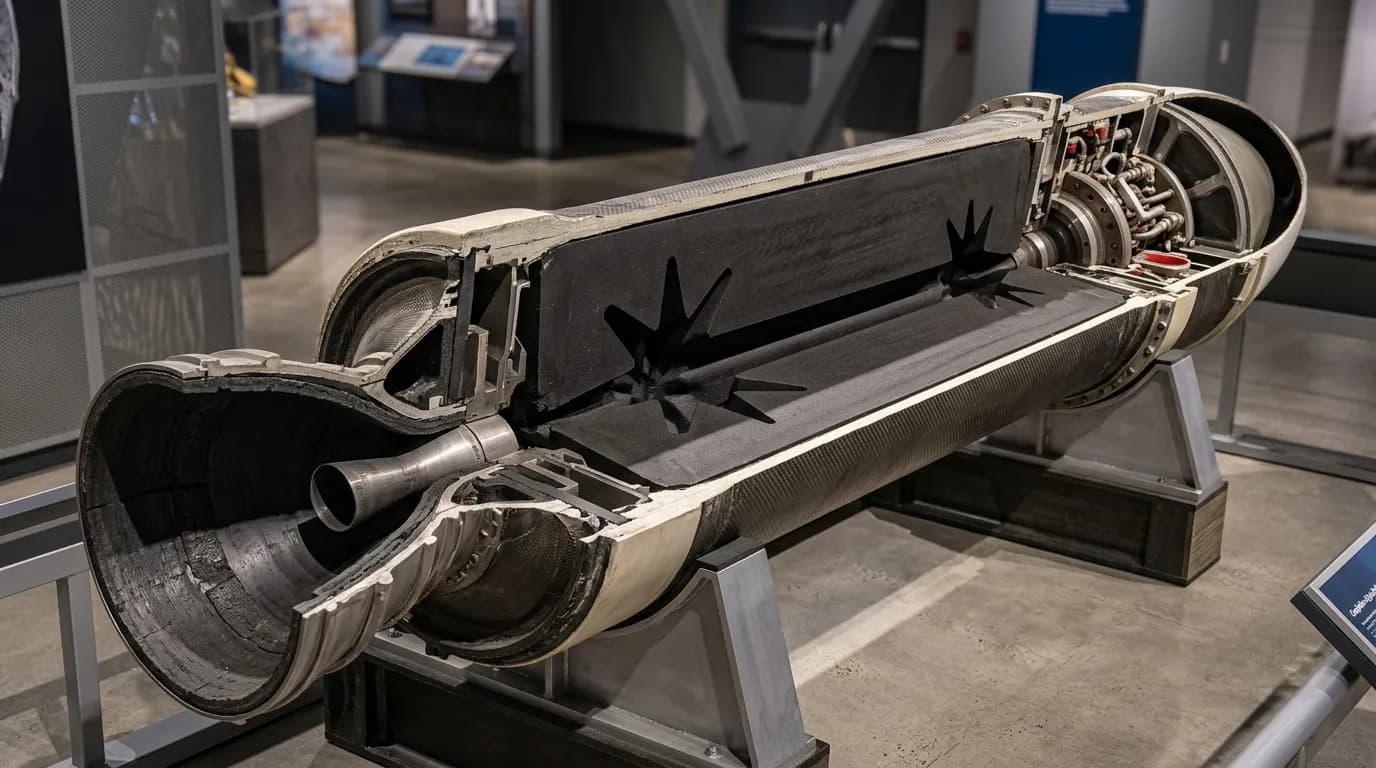
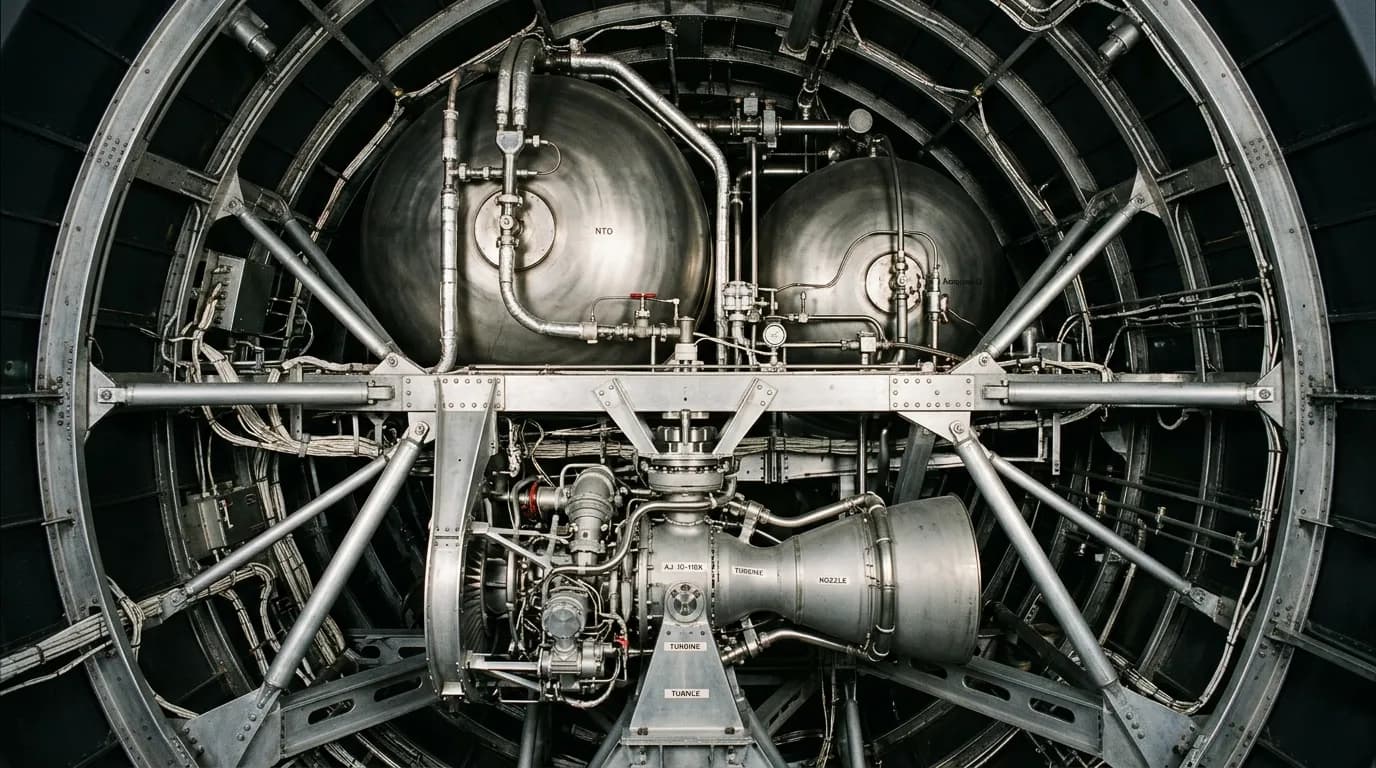


NASA''s reliable medium-lift workhorse for nearly three decades. Delta II launched the Mars rovers Spirit and Opportunity, the GPS satellite constellation, the Kepler space telescope, and dozens of other missions with a 98.7% success rate.
History
Delta II was the descendant of the Thor intermediate-range ballistic missile, carrying forward a rocket lineage that began in the 1950s. Boeing (through its heritage company Douglas Aircraft) refined the design into one of the most reliable launch vehicles in history.
The rocket''s versatility made it NASA''s preferred launch vehicle for mid-size science missions. It placed the Pathfinder lander and Sojourner rover on Mars, launched the twin Mars Exploration Rovers Spirit and Opportunity, deployed the GPS constellation that revolutionized navigation, and carried the Kepler space telescope to its planet-hunting orbit.
Delta II flew 155 times between 1989 and 2018, with only two failures -- a success rate of 98.7%. Its retirement in 2018, after launching the ICESat-2 Earth observation satellite, ended a rocket family whose lineage spanned six decades and over 400 flights across all Delta variants.
Timeline
Launch Heritage
- Mars Exploration Rovers
- GPS constellation
- MESSENGER
- Kepler
Technical Specifications
Propulsion
Performance
Dimensions
Mass
Mission
Power & Systems
Source: ULA, NASA
Tags
Designed by McDonnell Douglas / Boeing
Featured in Collections
References & Sources
Keep Exploring
View all vehicles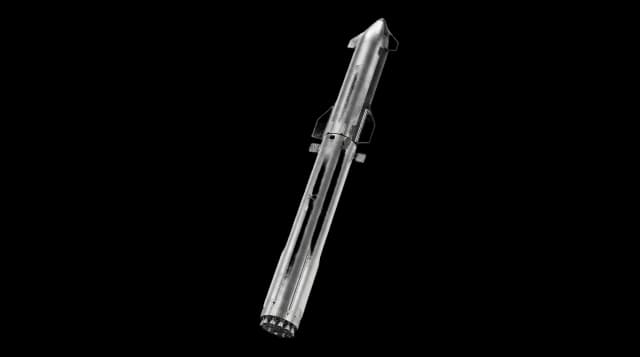
SpaceX
Starship / Super Heavy
2023 · Launch Vehicle
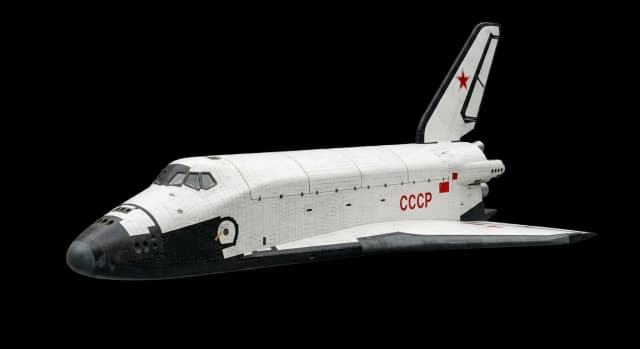
NPO Energia
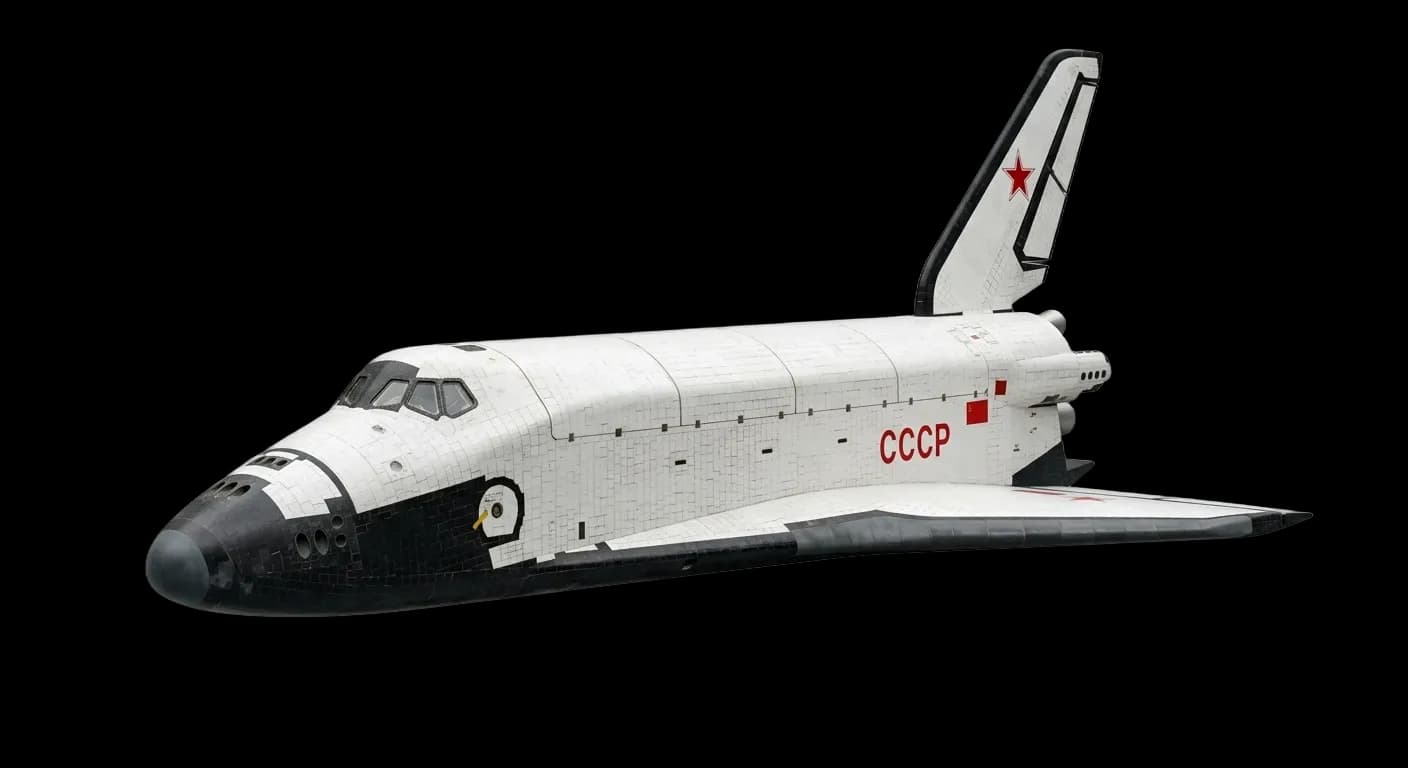
Buran
1988 - 1988 · Space Shuttle
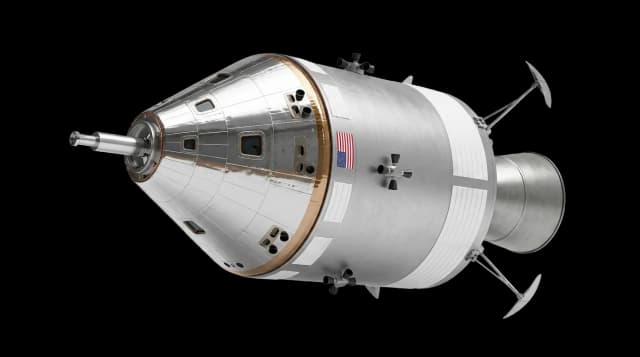
North American Aviation
Apollo Command/Service Module
1966 - 1975 · Crewed Spacecraft
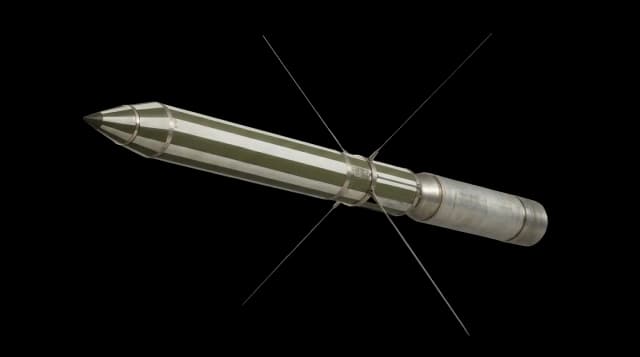
NASA/JPL
Explorer 1
1958 - 1958 · Satellite
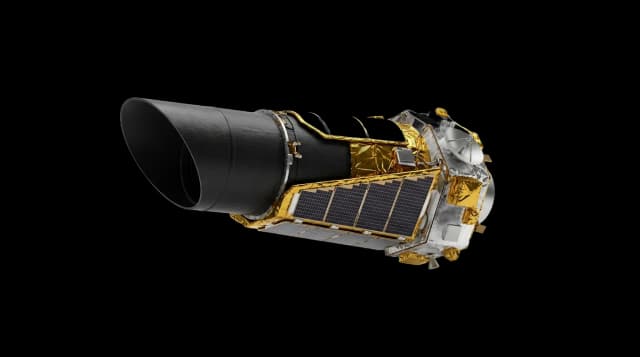
NASA
Kepler Space Telescope
2009 - 2018 · Satellite
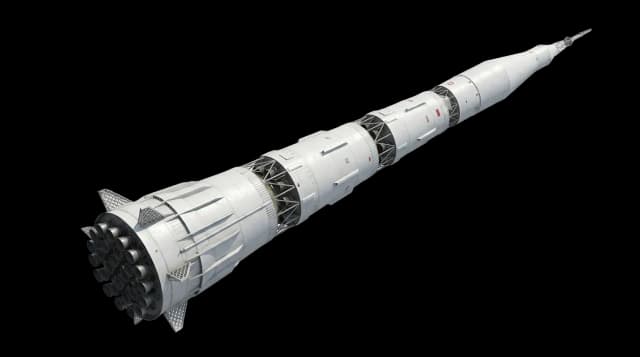
OKB-1
N1
1969 - 1972 · Launch Vehicle
