Atlas
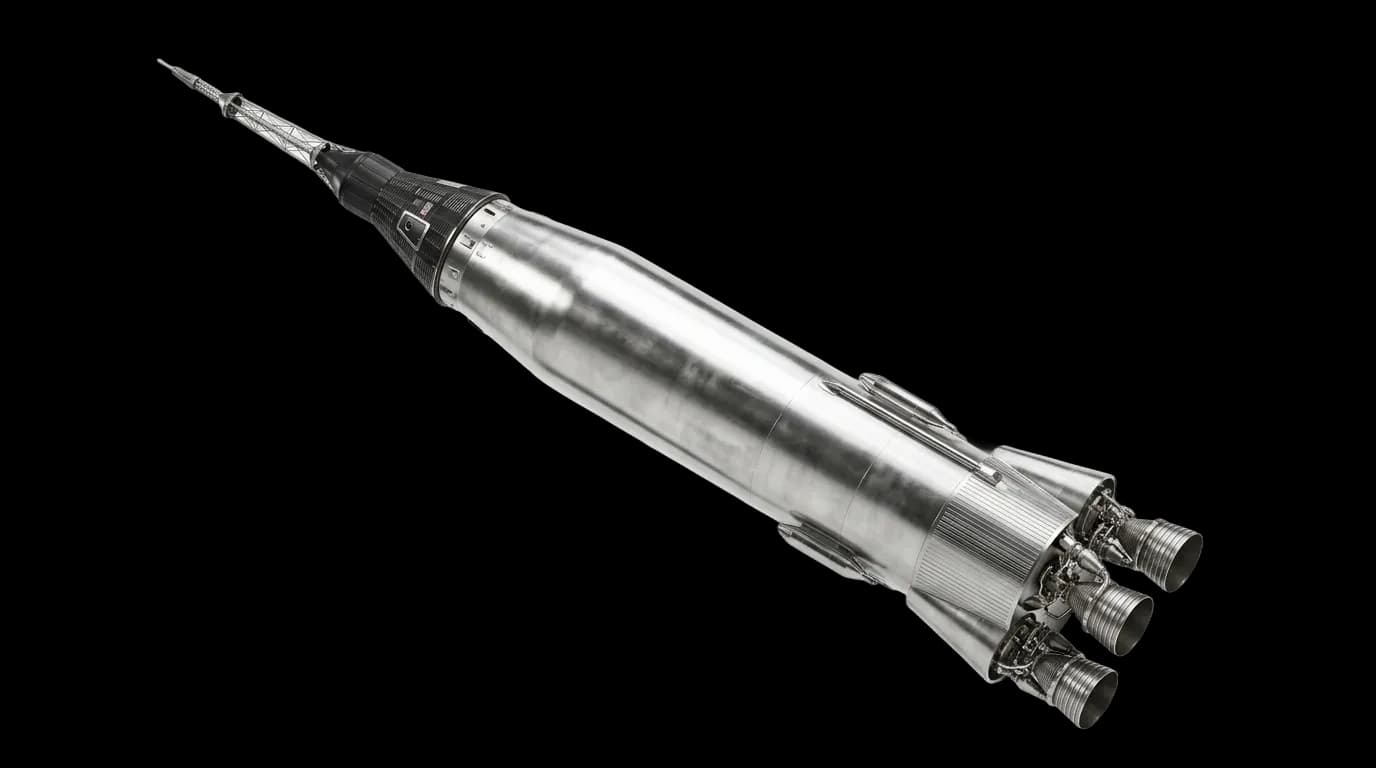
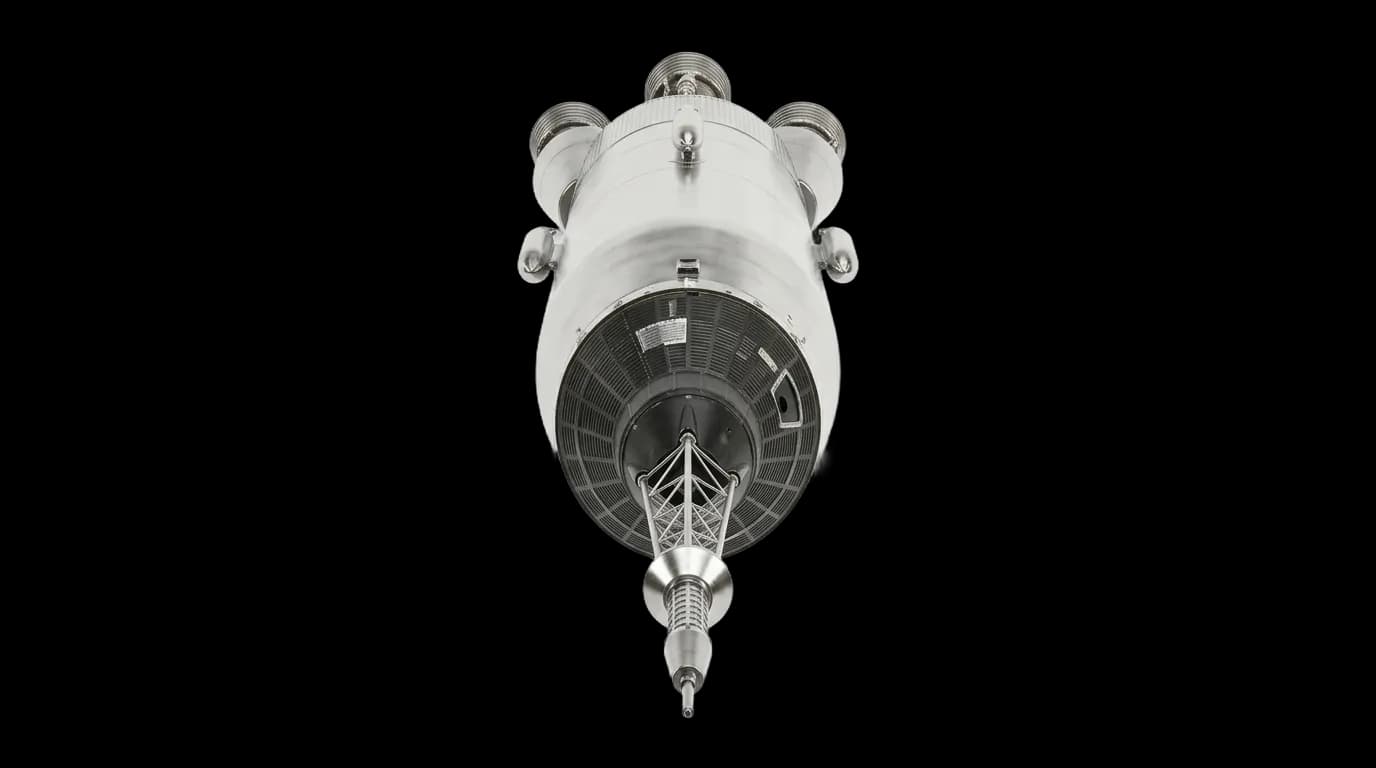
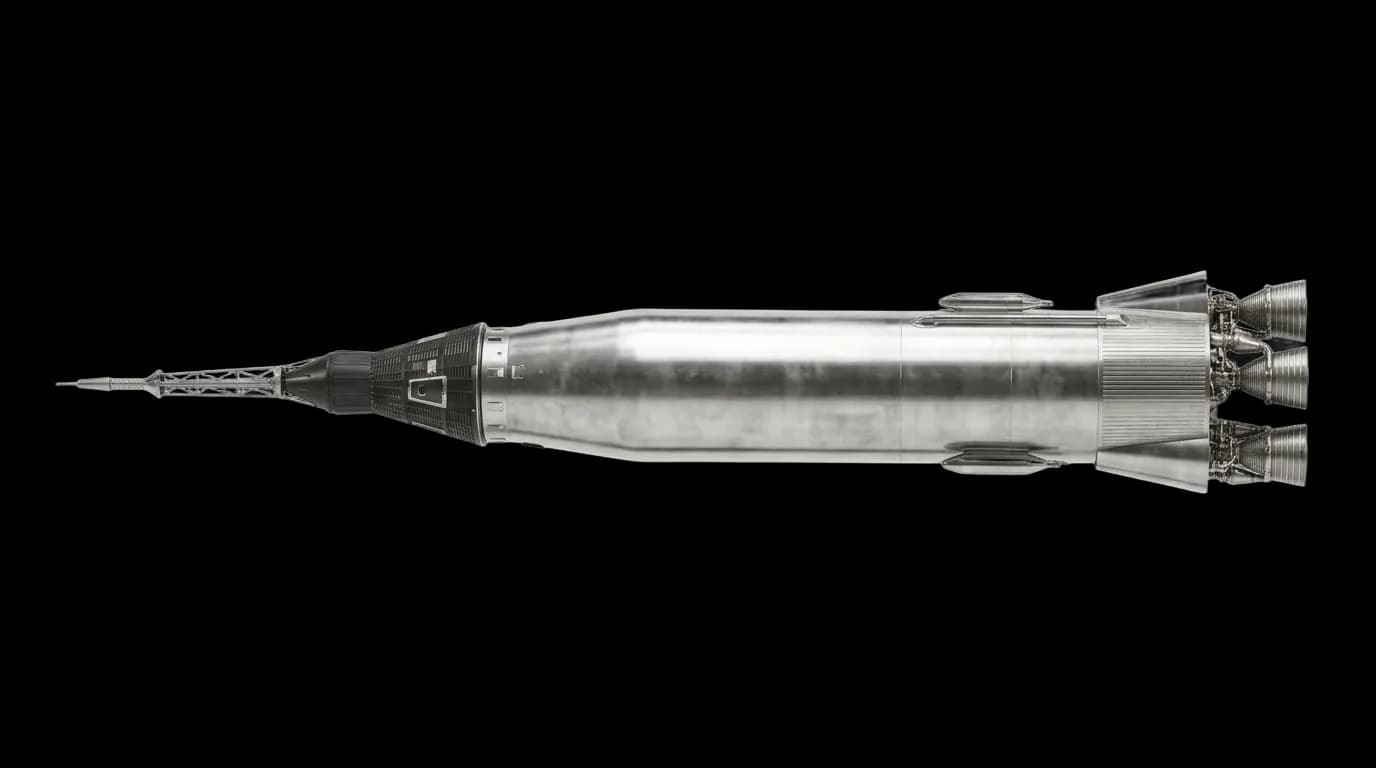
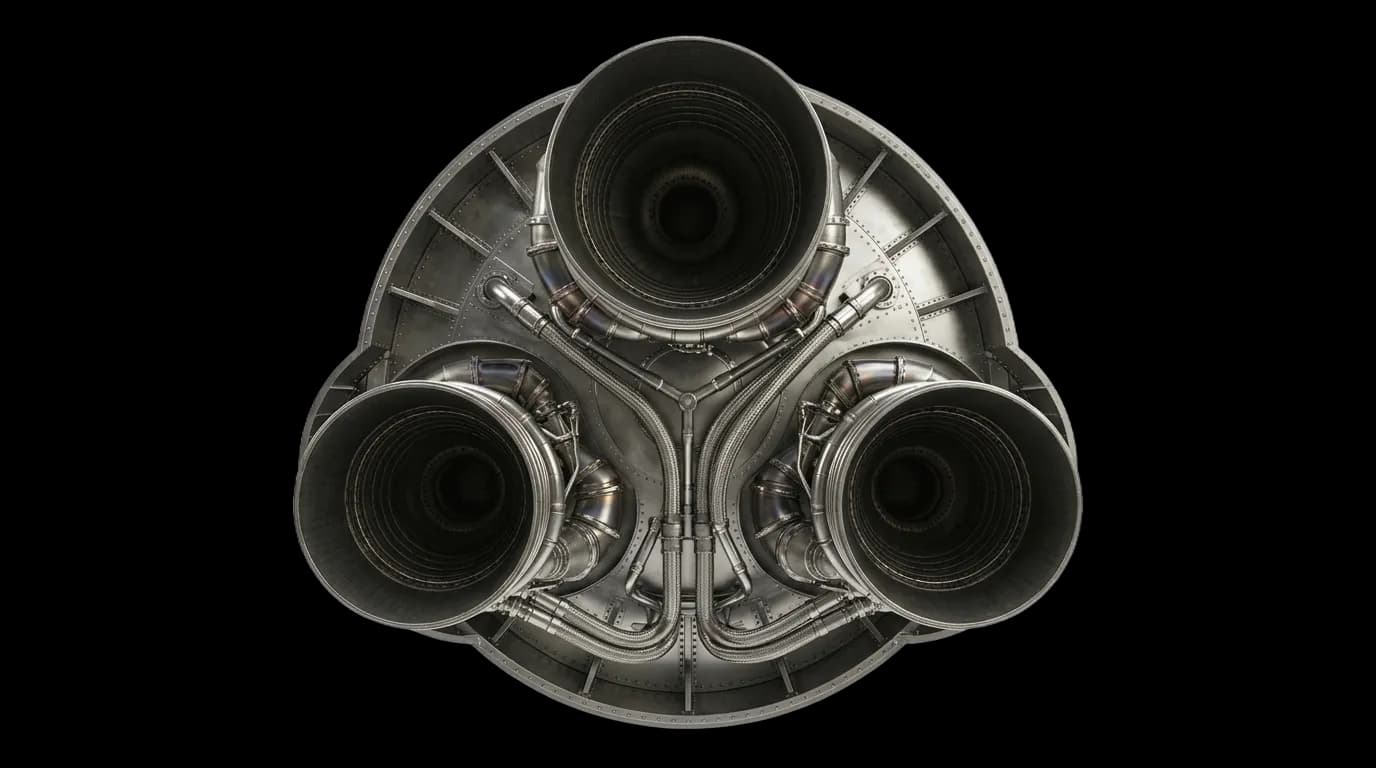
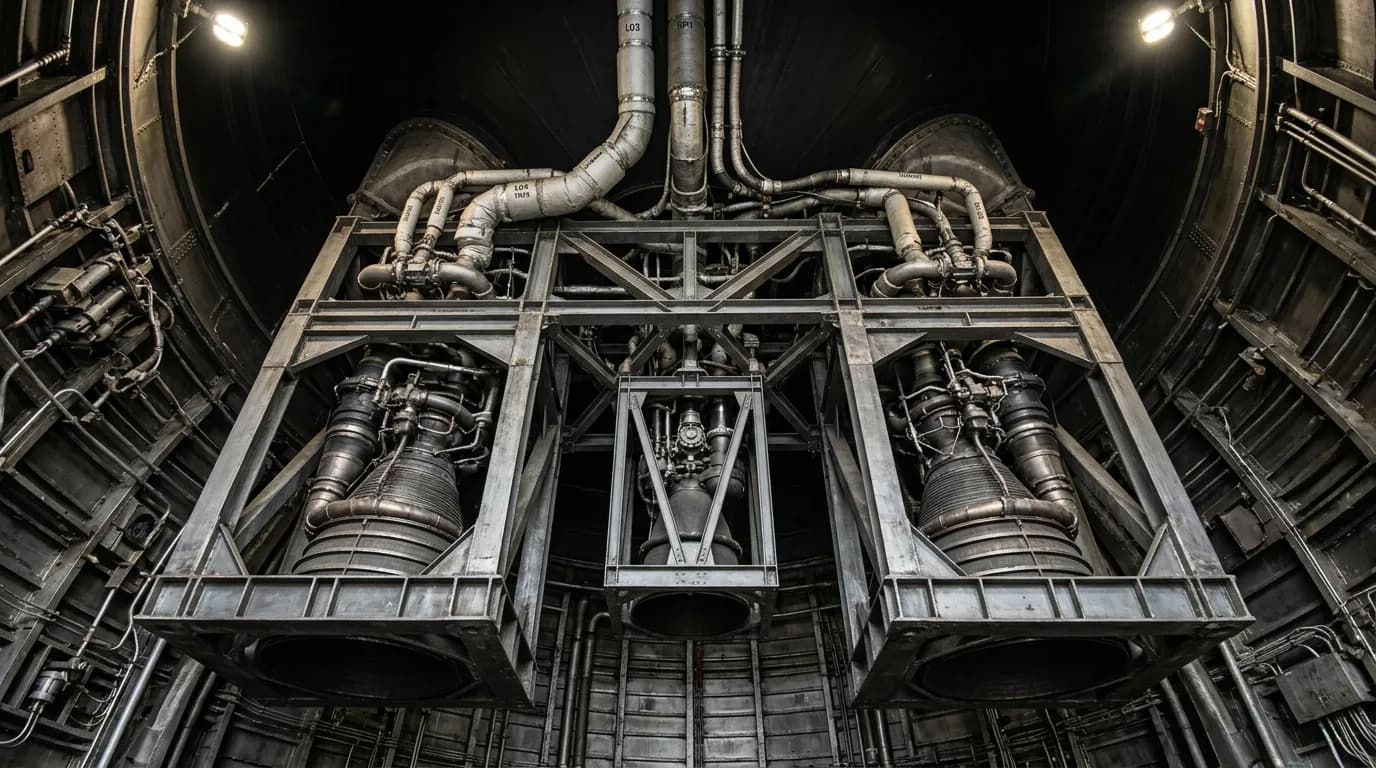
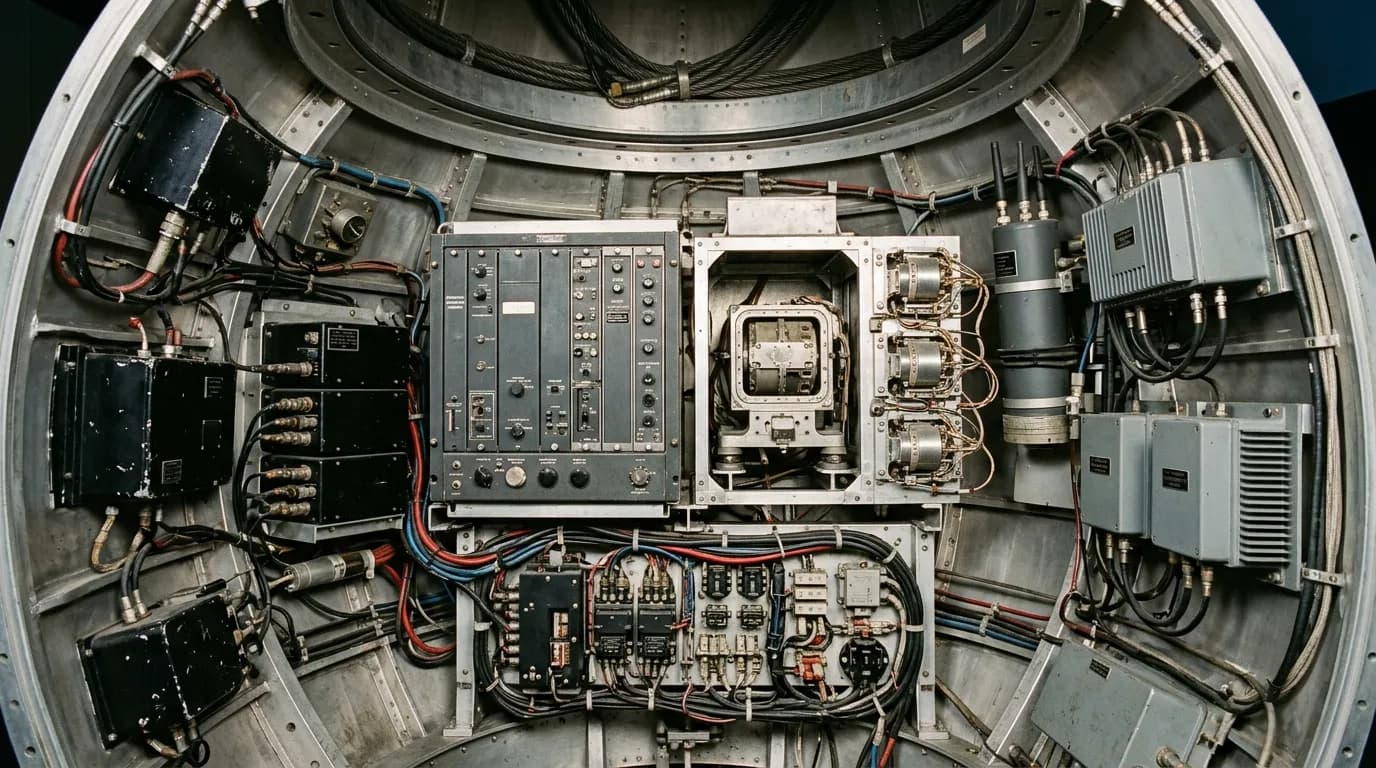
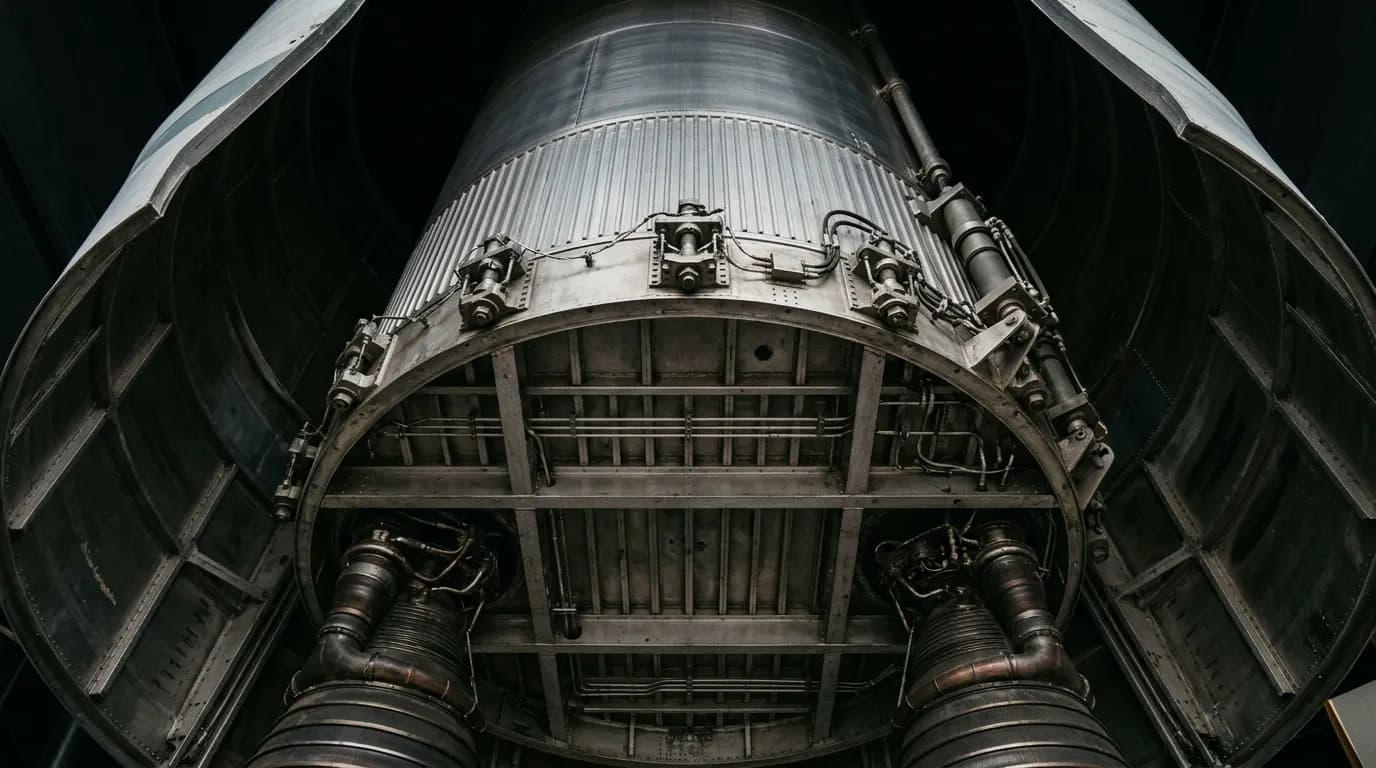
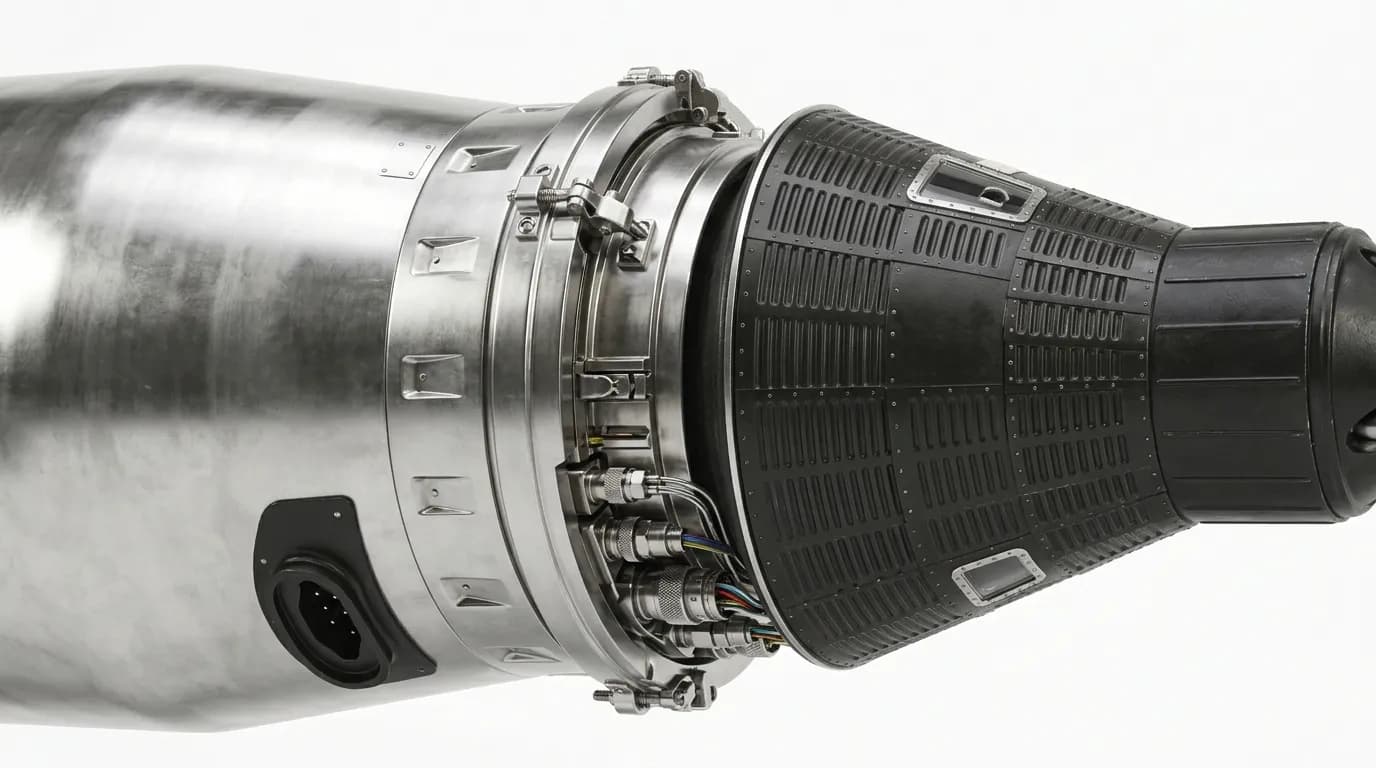
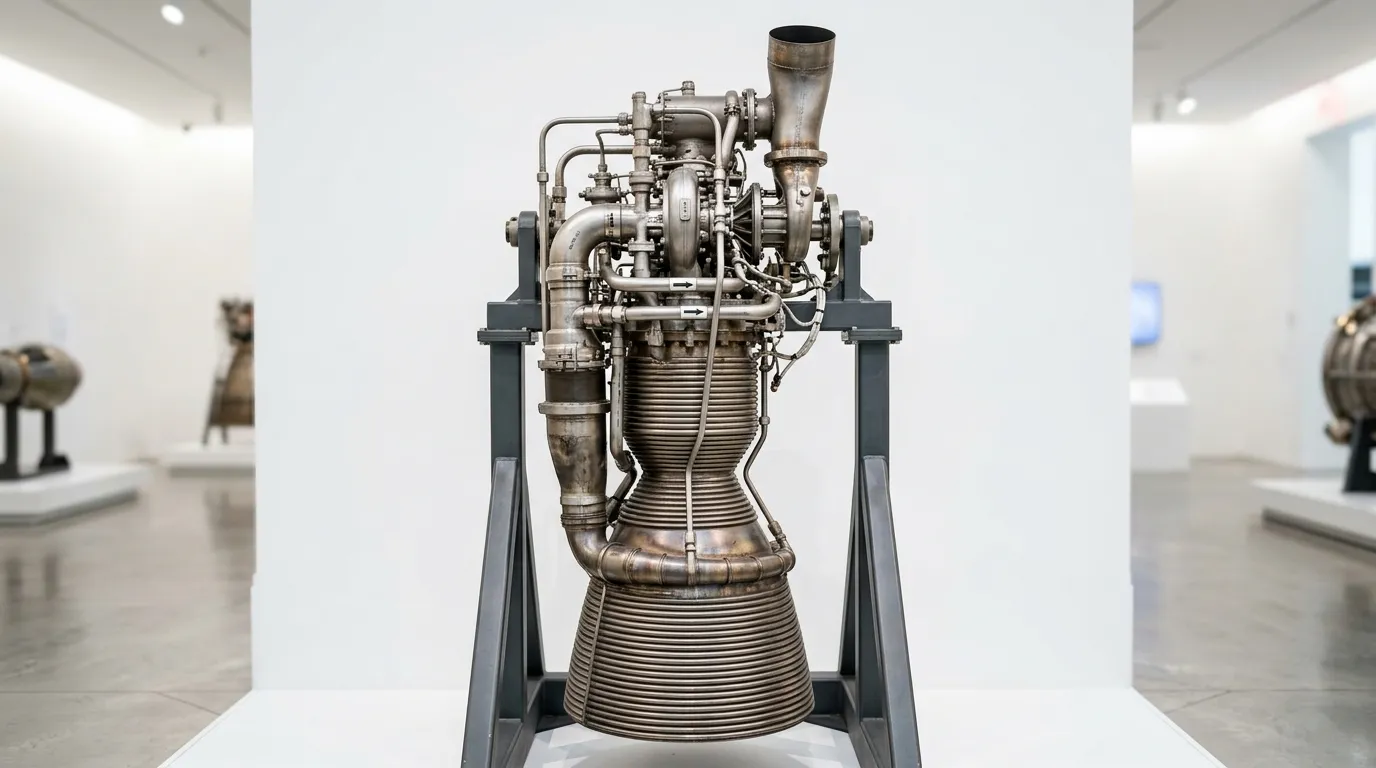
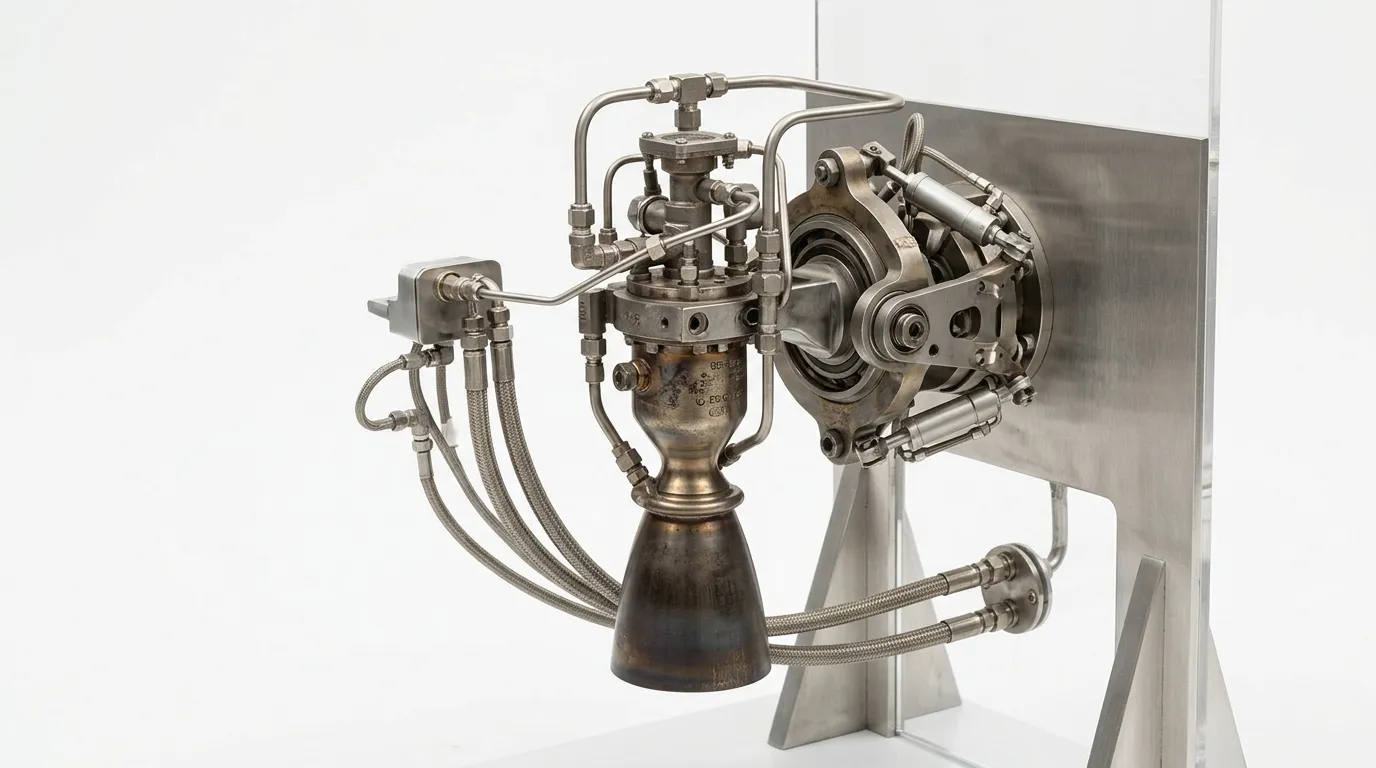
America''s first operational ICBM, transformed into the launch vehicle that carried John Glenn to orbit on Mercury-Atlas 6. The Atlas rocket family has been in continuous service for over 65 years, evolving through dozens of variants.
History
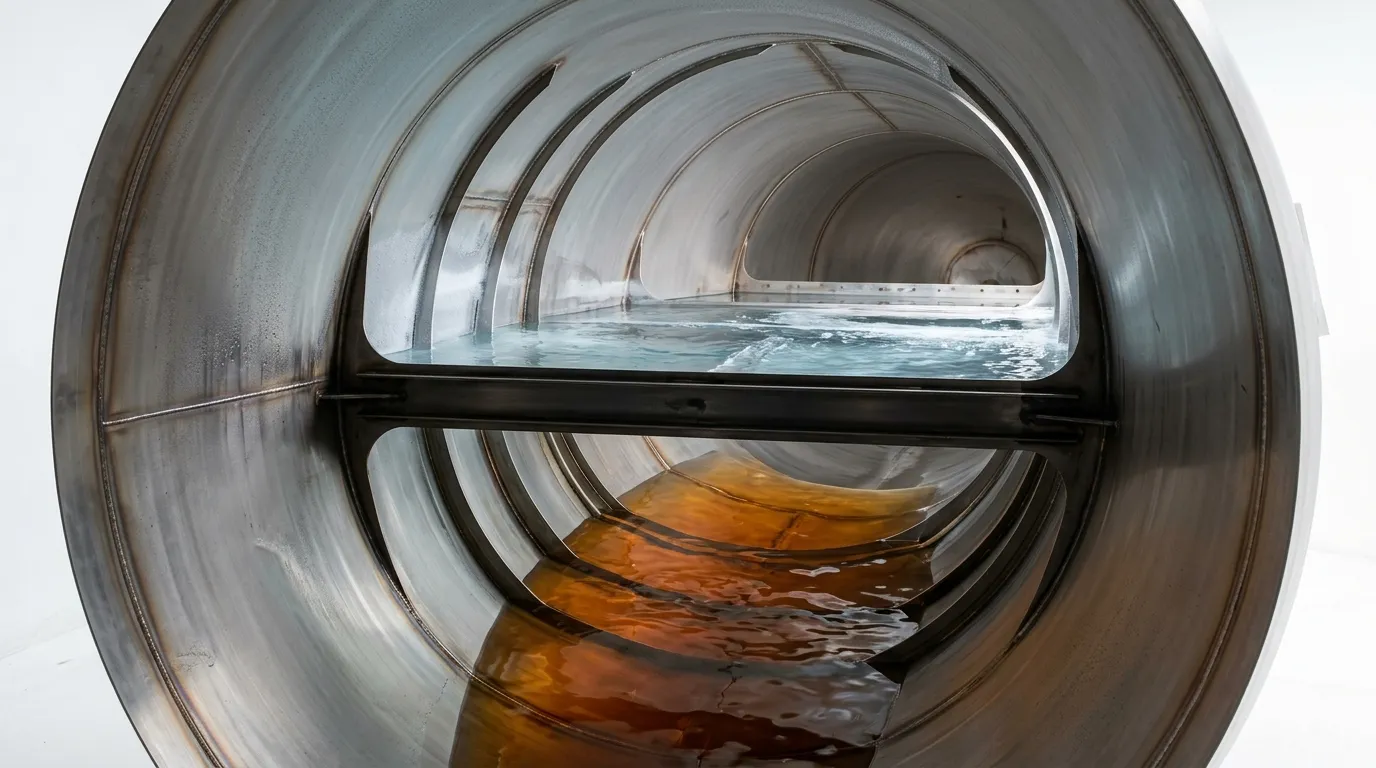
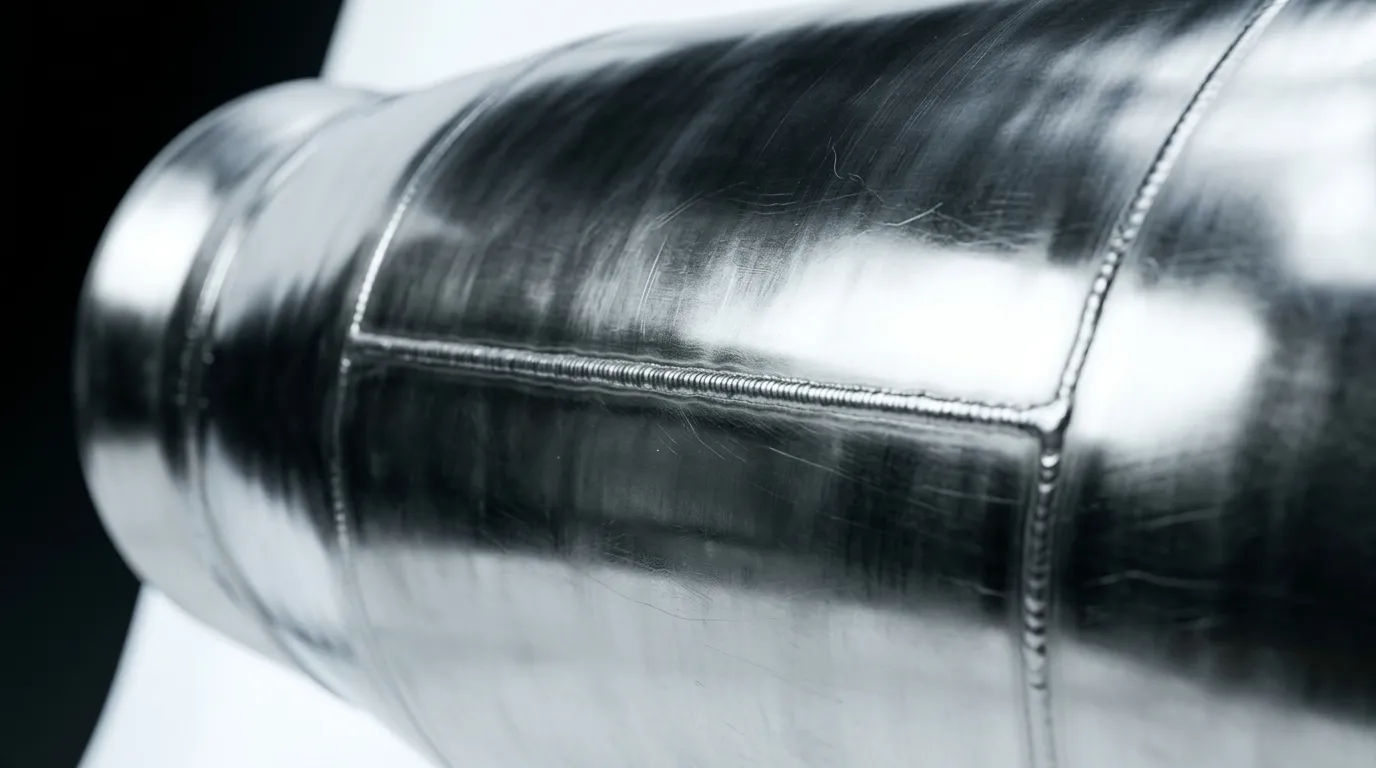
Karel Bossart''s Atlas was a radical design. Instead of using conventional thick-walled fuel tanks, Atlas used pressure-stabilized stainless steel tanks so thin that the rocket would collapse under its own weight if not pressurized -- like a metal balloon. This unusual approach saved enough weight to make the rocket viable as both an ICBM and a space launch vehicle.
Atlas entered service as America''s first operational intercontinental ballistic missile in 1959, capable of delivering a thermonuclear warhead to the Soviet Union. But its transformation into a space launcher would define its legacy far more than its military role. On February 20, 1962, an Atlas LV-3B carried John Glenn in the Mercury capsule Friendship 7 on three orbits of the Earth, making him the first American to orbit the planet.
The Atlas design has been continuously evolved ever since. Atlas-Centaur added the world''s first high-energy hydrogen upper stage. Atlas II and III served the commercial launch market. Atlas V, operated by United Launch Alliance, became one of the most reliable launch vehicles in history with over 100 consecutive successes. The Atlas lineage continued into the Vulcan Centaur, which inherited many Atlas V systems and procedures. No other rocket family can claim such longevity.
Timeline
Launch Heritage
- Mercury-Atlas 6
- Mercury-Atlas 9
- SCORE
- Agena Target Vehicle
Technical Specifications
Propulsion
Performance
Dimensions
Mass
Mission
Power & Systems
Source: USAF, NASA
Tags
Designed by Karel Bossart