Cassini-Huygens
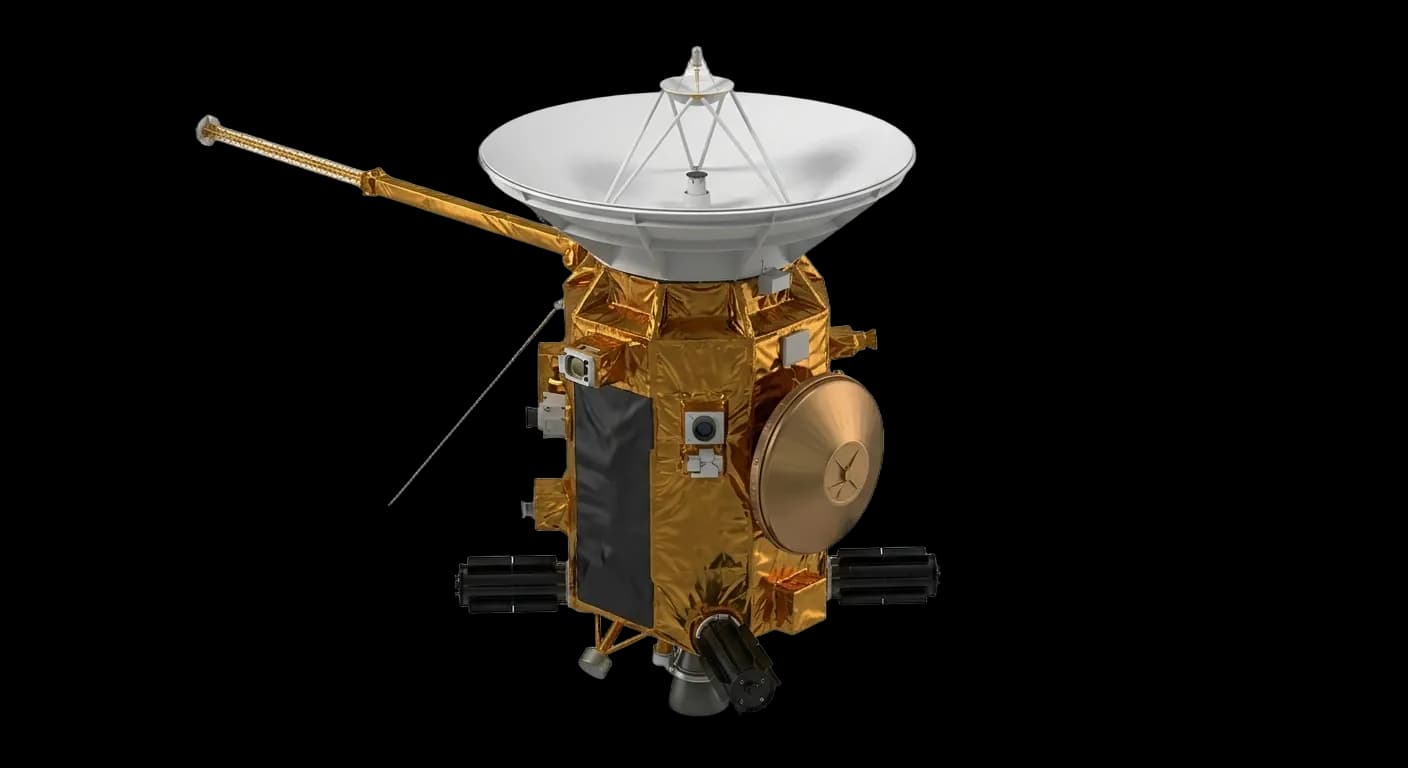
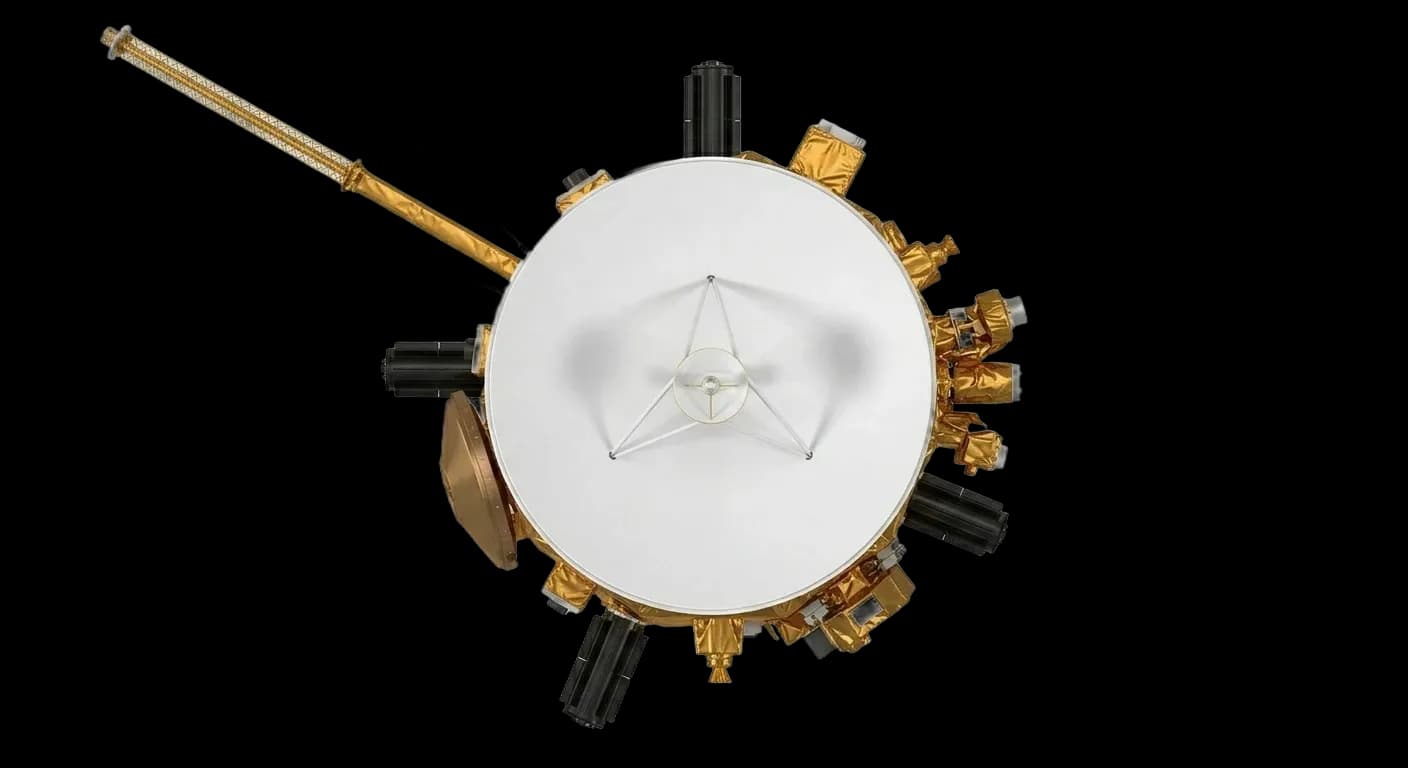
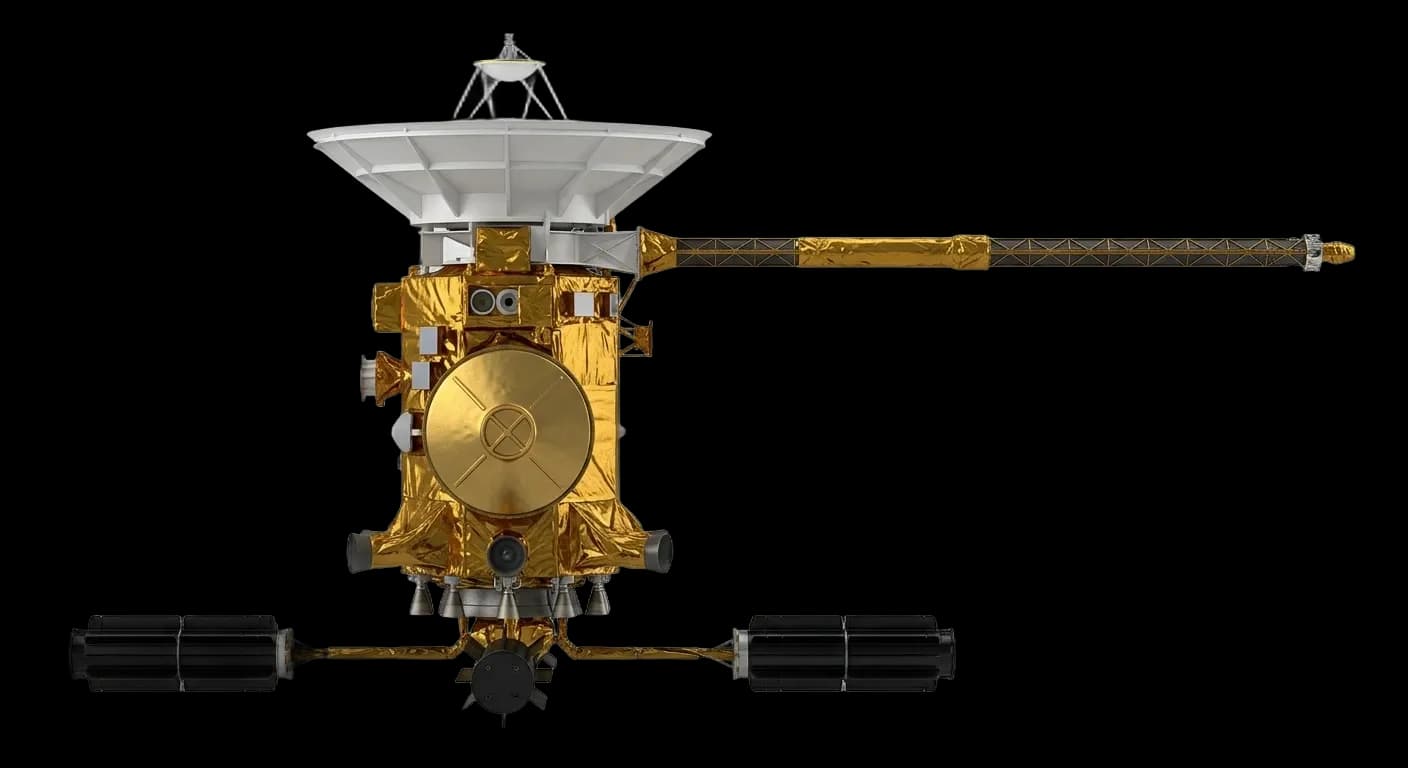
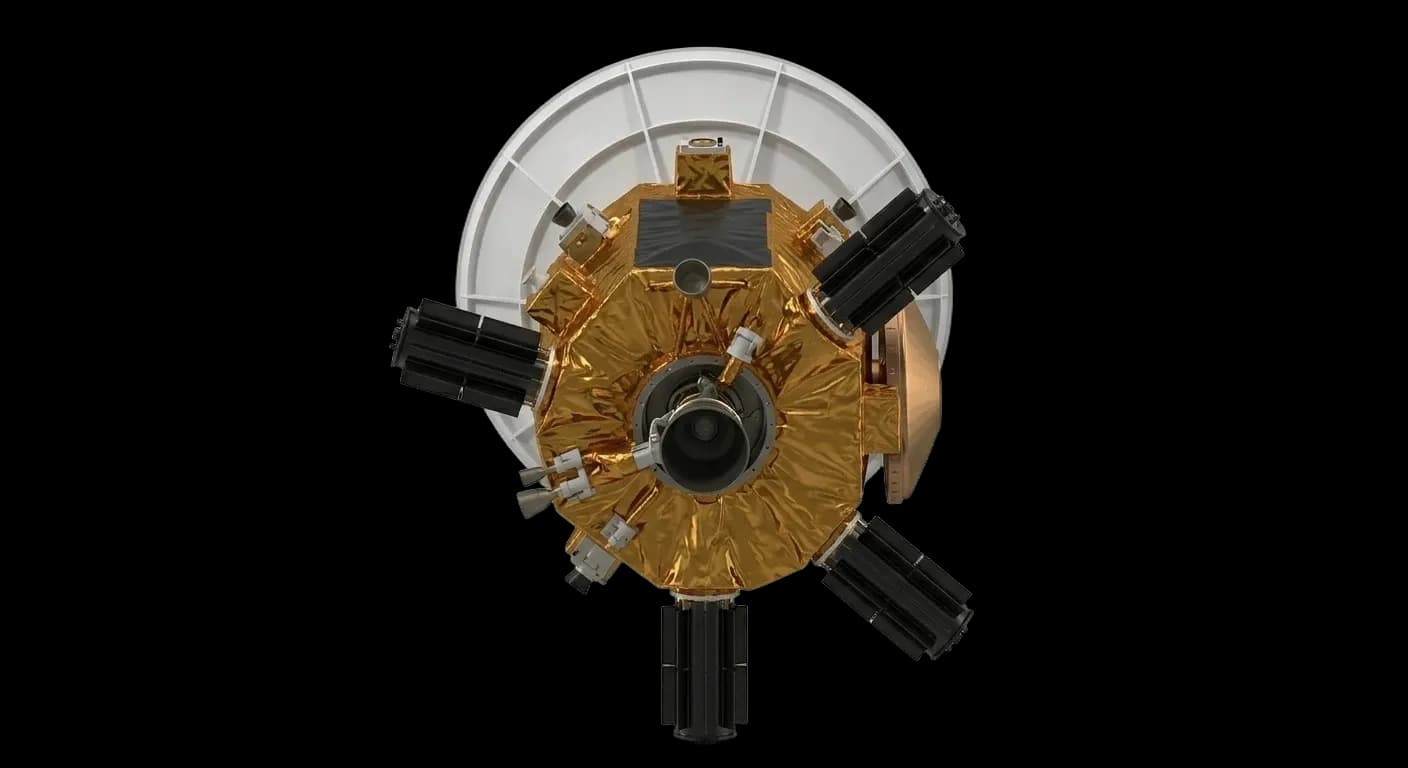
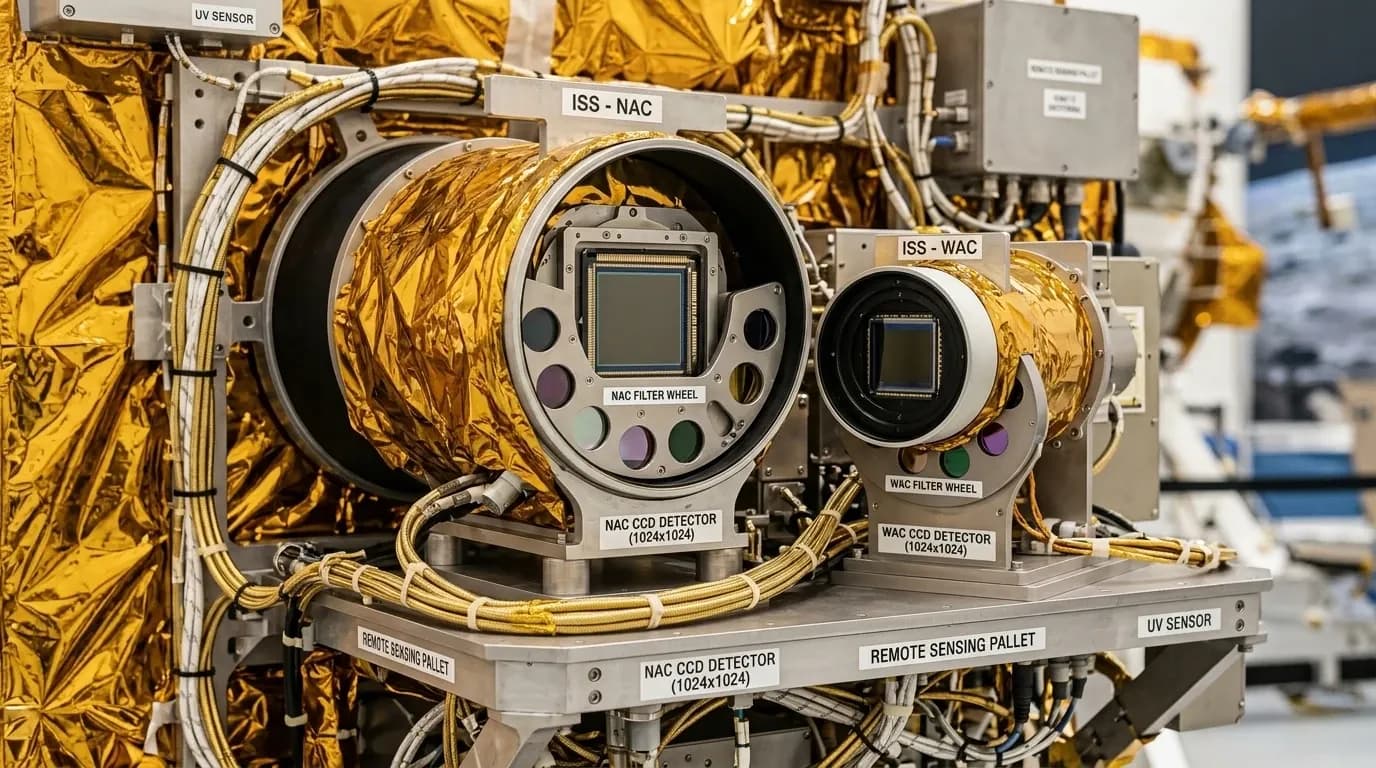
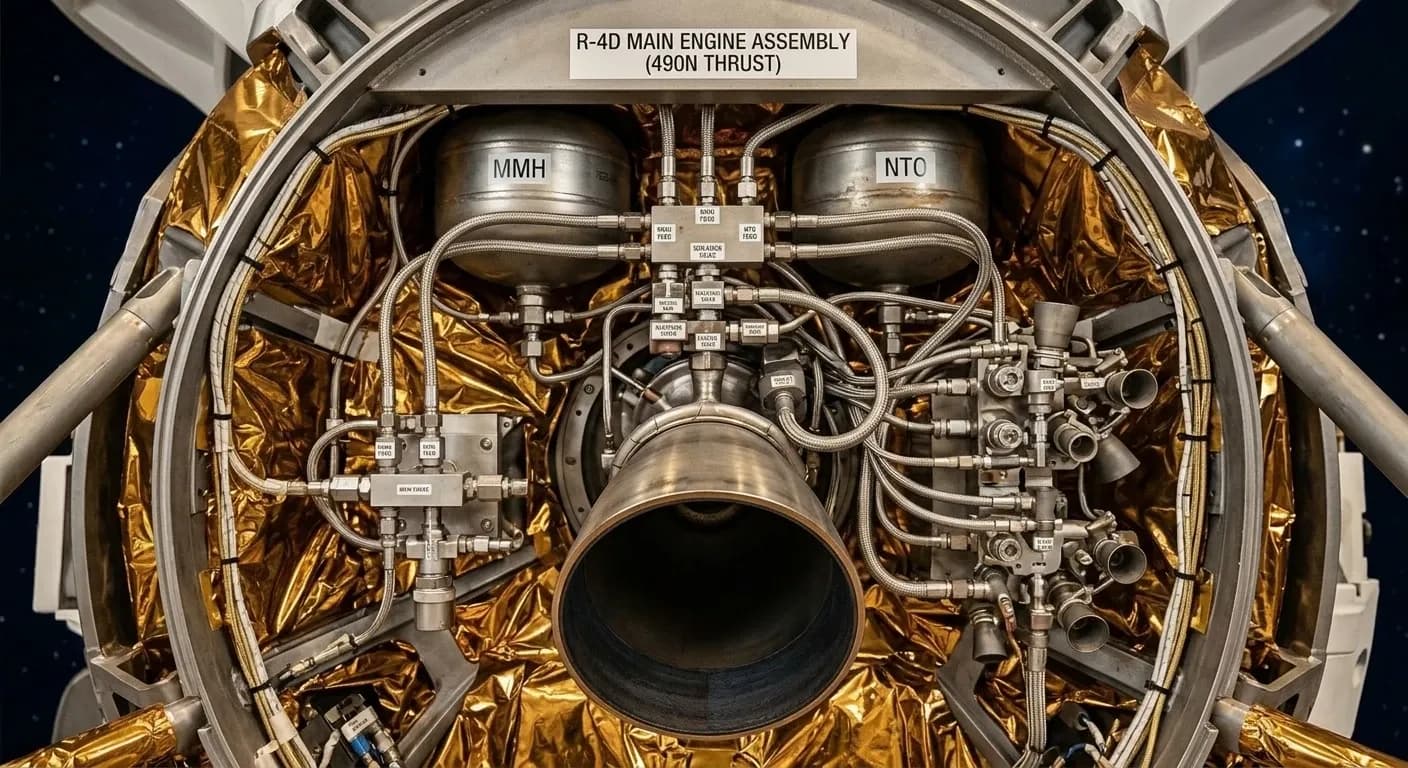
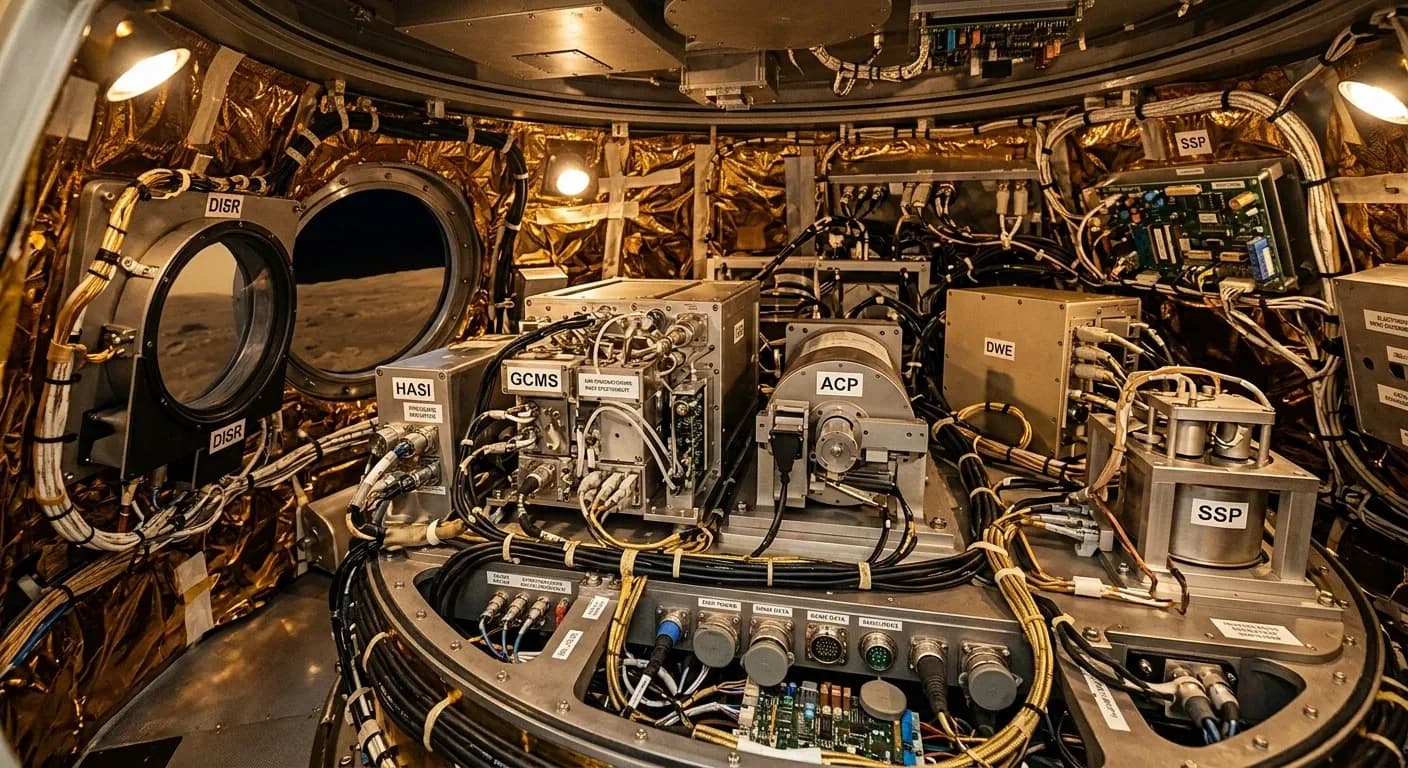
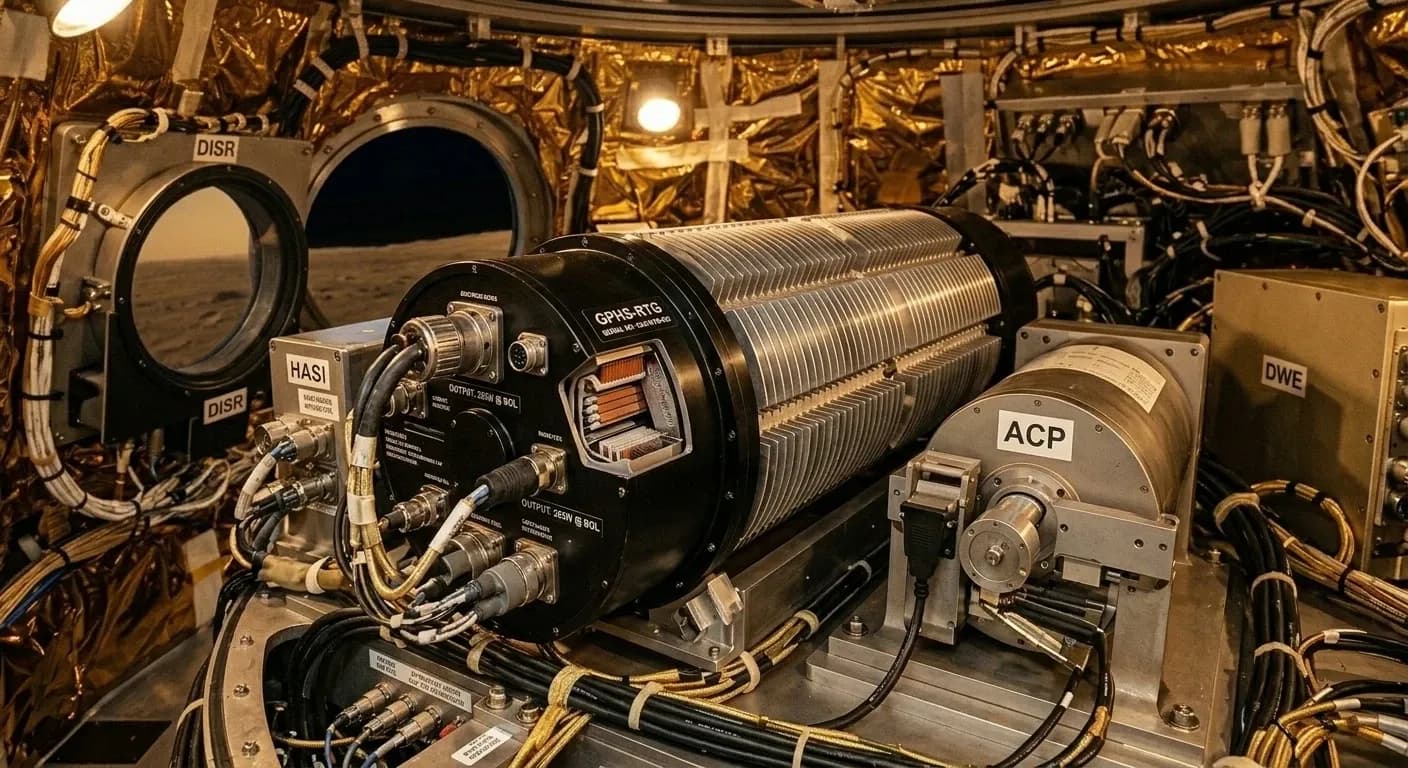
Orbited Saturn for 13 years, revolutionizing our understanding of the ringed planet and its moons. The Huygens probe landed on Titan -- the most distant landing ever achieved -- revealing lakes of liquid methane. Cassini discovered water geysers erupting from the moon Enceladus.
History
Cassini-Huygens was a joint mission of NASA, ESA, and the Italian Space Agency, launched on October 15, 1997. It took nearly seven years to reach Saturn, using gravity assists from Venus (twice), Earth, and Jupiter. When Cassini entered Saturn orbit on June 30, 2004, it became the first spacecraft to orbit the ringed planet.
On January 14, 2005, the European Huygens probe separated from Cassini and descended through Titan''s thick atmosphere, landing on the surface after a two-and-a-half-hour parachute descent. It was the most distant landing ever achieved by a human-made spacecraft. Huygens revealed a world with methane rain, rivers carved by liquid hydrocarbons, and a surface strewn with rounded pebbles of water ice -- an eerily Earth-like landscape built from alien chemistry.
Cassini''s most electrifying discovery came at Enceladus, a small moon just 310 miles in diameter. In 2005, the spacecraft detected geysers of water ice erupting from fractures near the moon''s south pole, later confirmed to originate from a global subsurface ocean. The presence of liquid water, organic molecules, and hydrothermal activity on Enceladus made it one of the most promising locations for finding extraterrestrial life in the solar system.
Over 13 years in orbit, Cassini completed 293 orbits of Saturn, 127 close flybys of Titan, and 23 close flybys of Enceladus. It observed the birth and death of storms in Saturn''s atmosphere, mapped the ring system in extraordinary detail, and discovered seven previously unknown moons. On September 15, 2017, running low on fuel, Cassini was deliberately plunged into Saturn''s atmosphere to prevent any chance of contaminating Enceladus or Titan with Earth microbes -- a responsible end to one of the most successful planetary missions ever flown.
Timeline
Launch Heritage
- Saturn orbit insertion
- Huygens Titan landing
- Enceladus plumes discovery
- Grand Finale
Technical Specifications
Propulsion
Dimensions
Mass
Mission
Power & Systems
Source: NASA/JPL
Tags
Designed by NASA/JPL / ESA / ASI