International Space Station
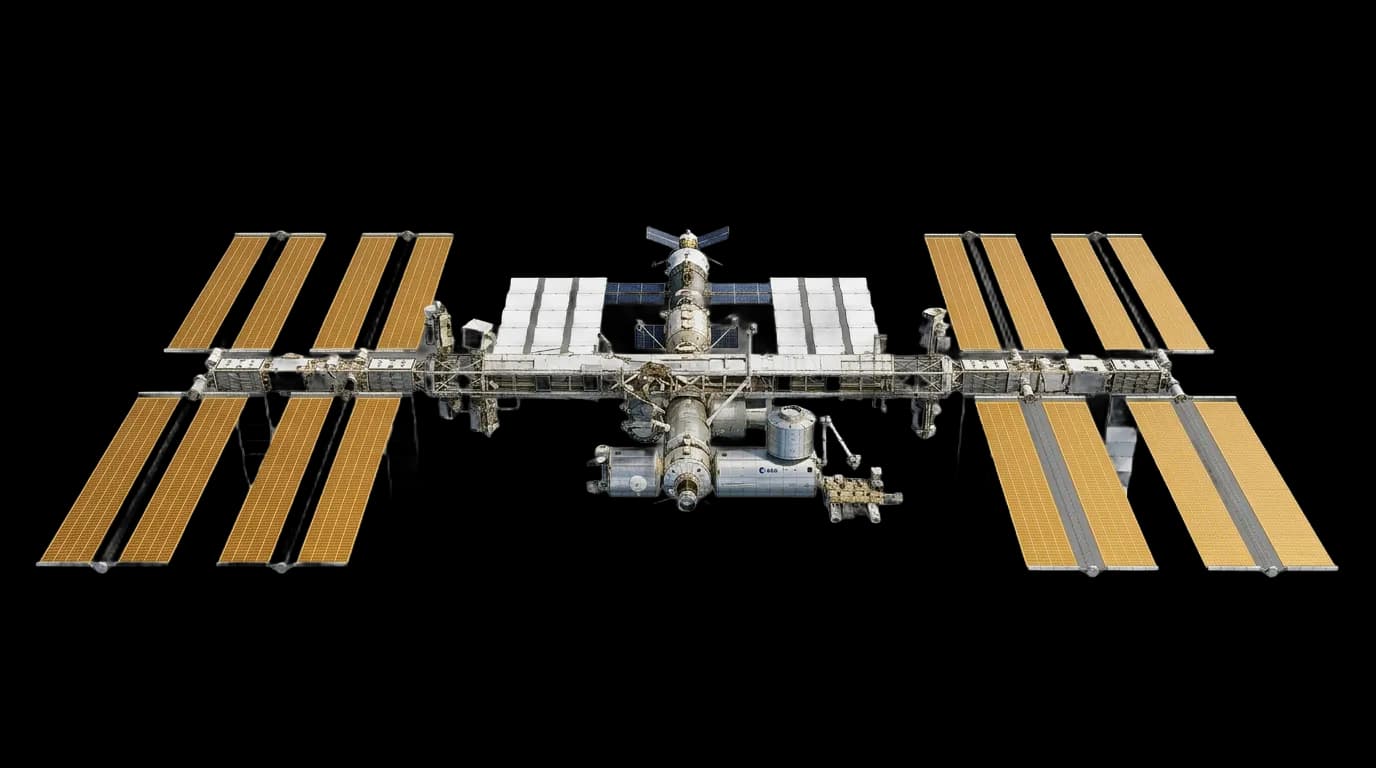
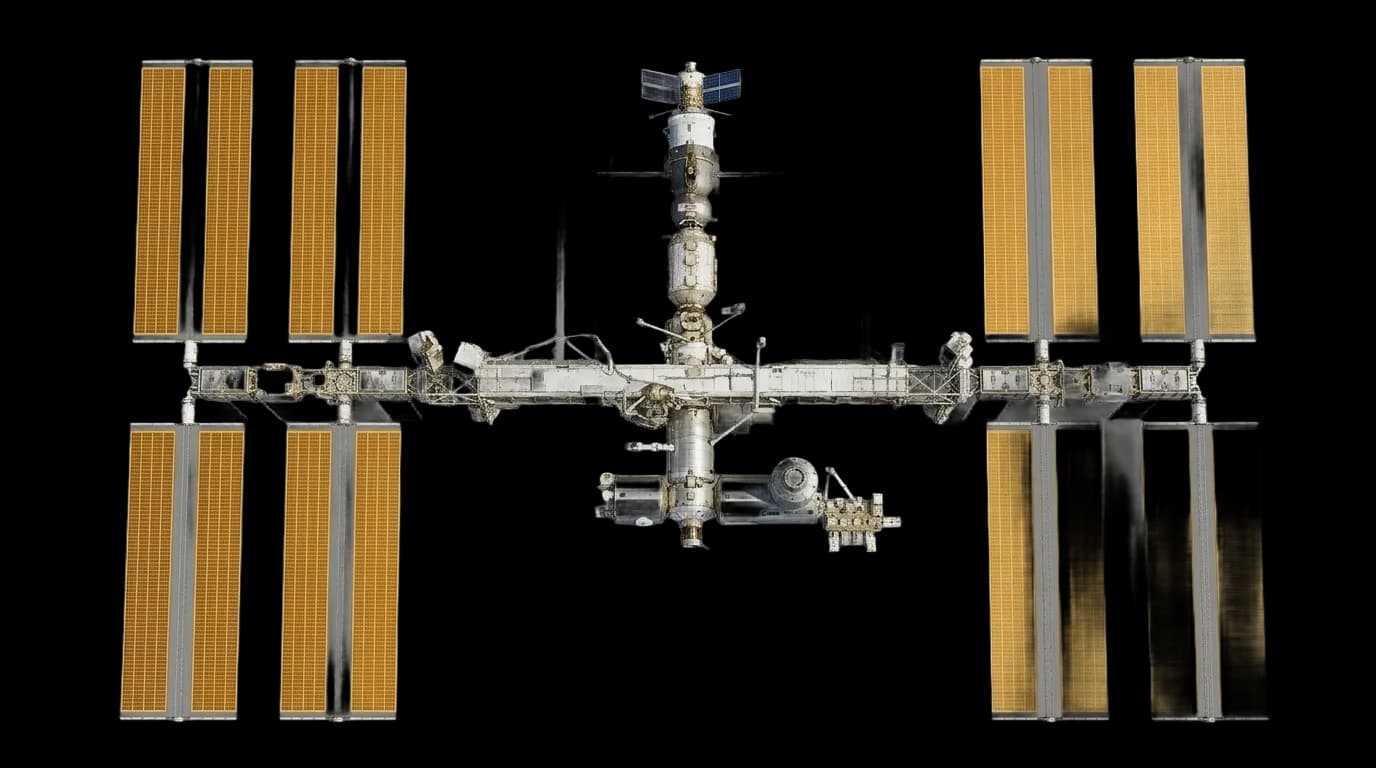
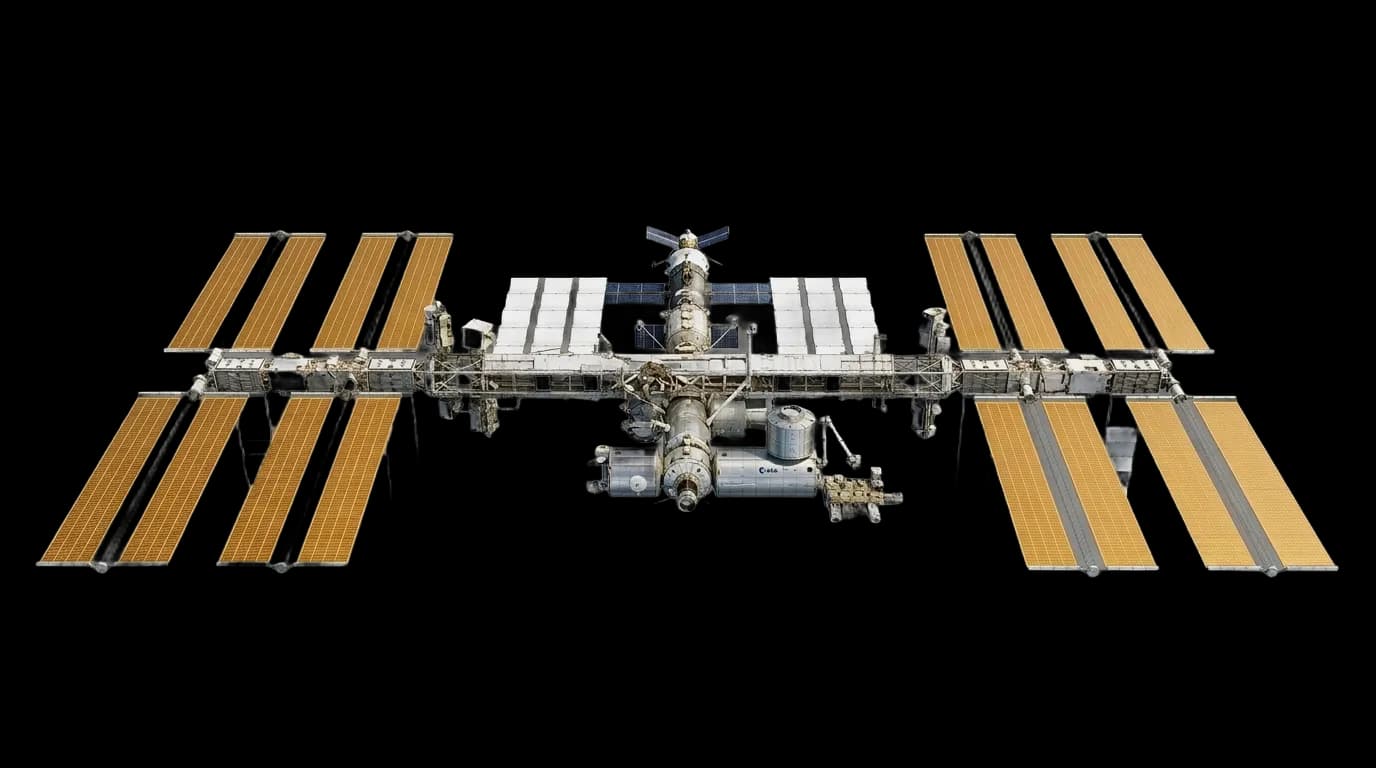

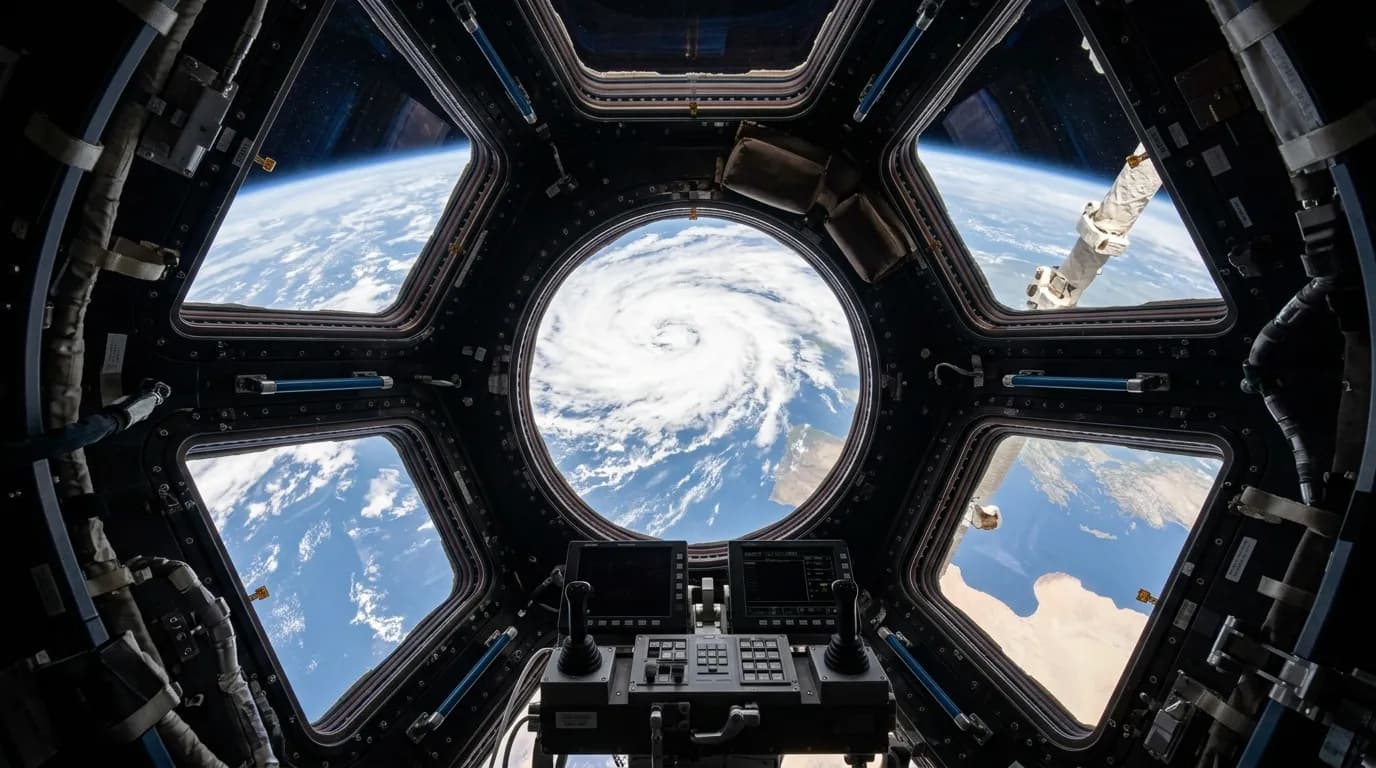
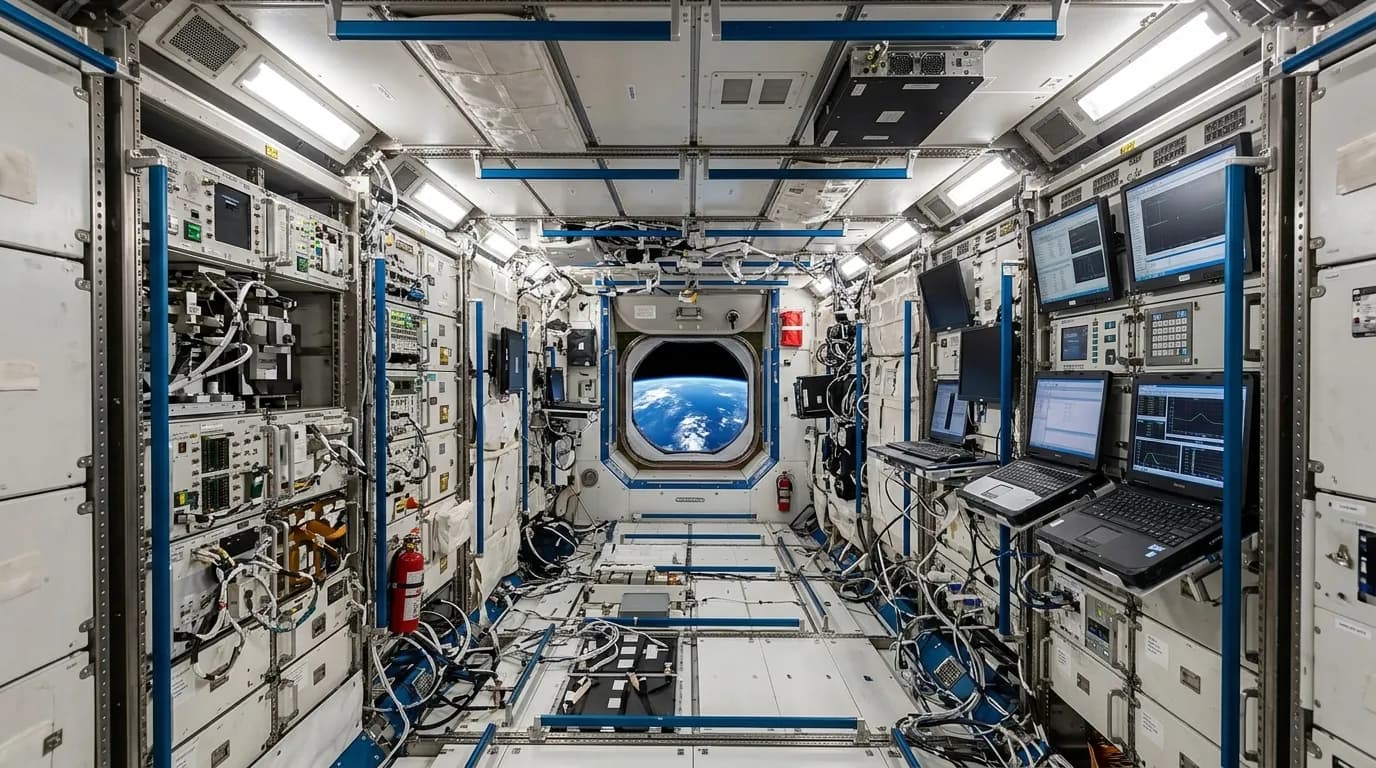
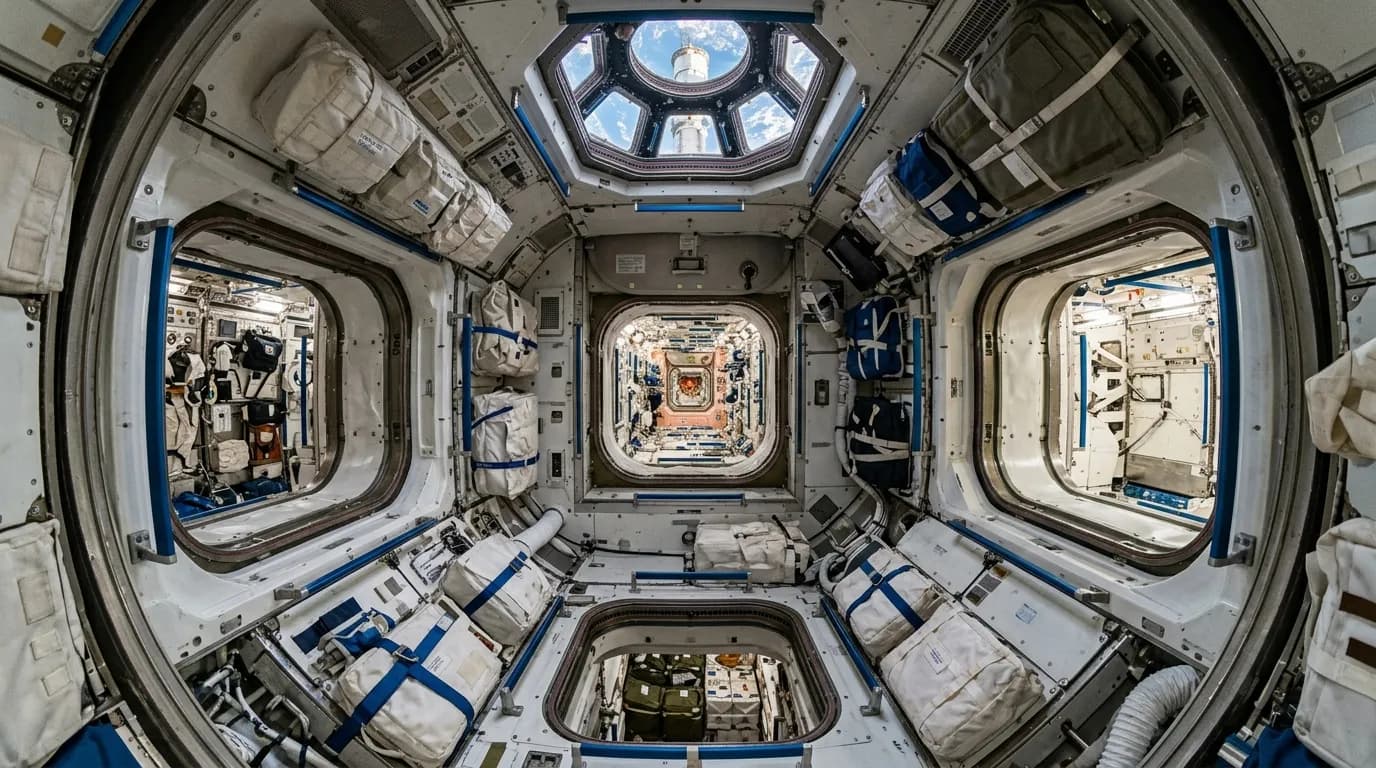
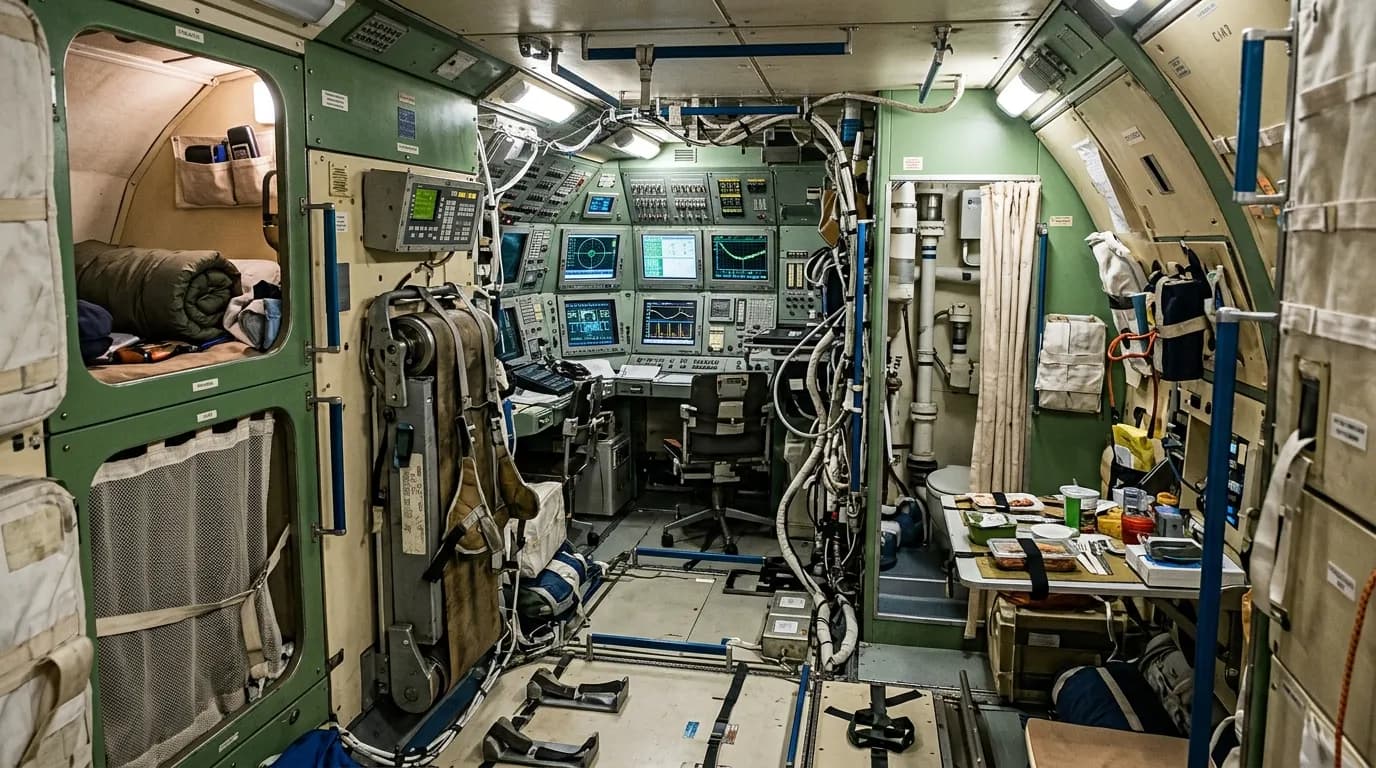
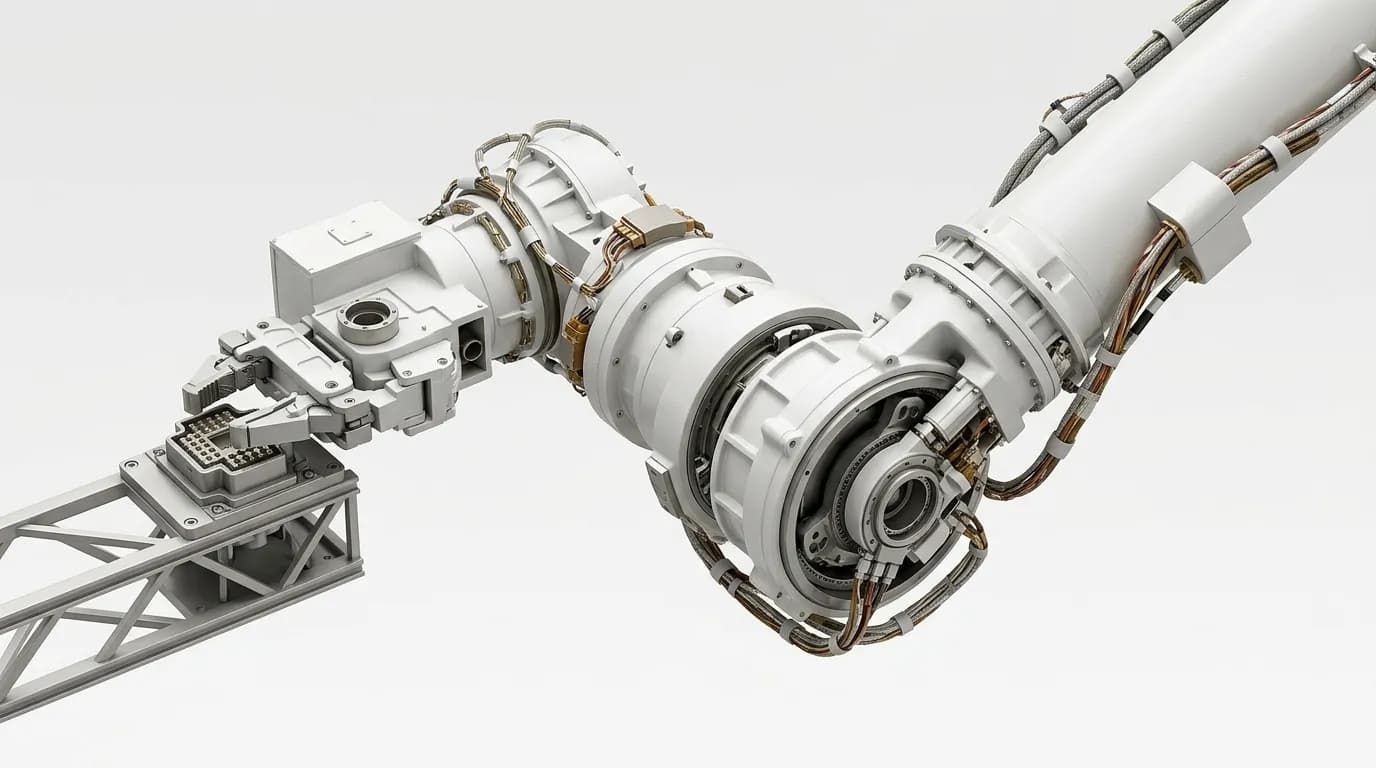
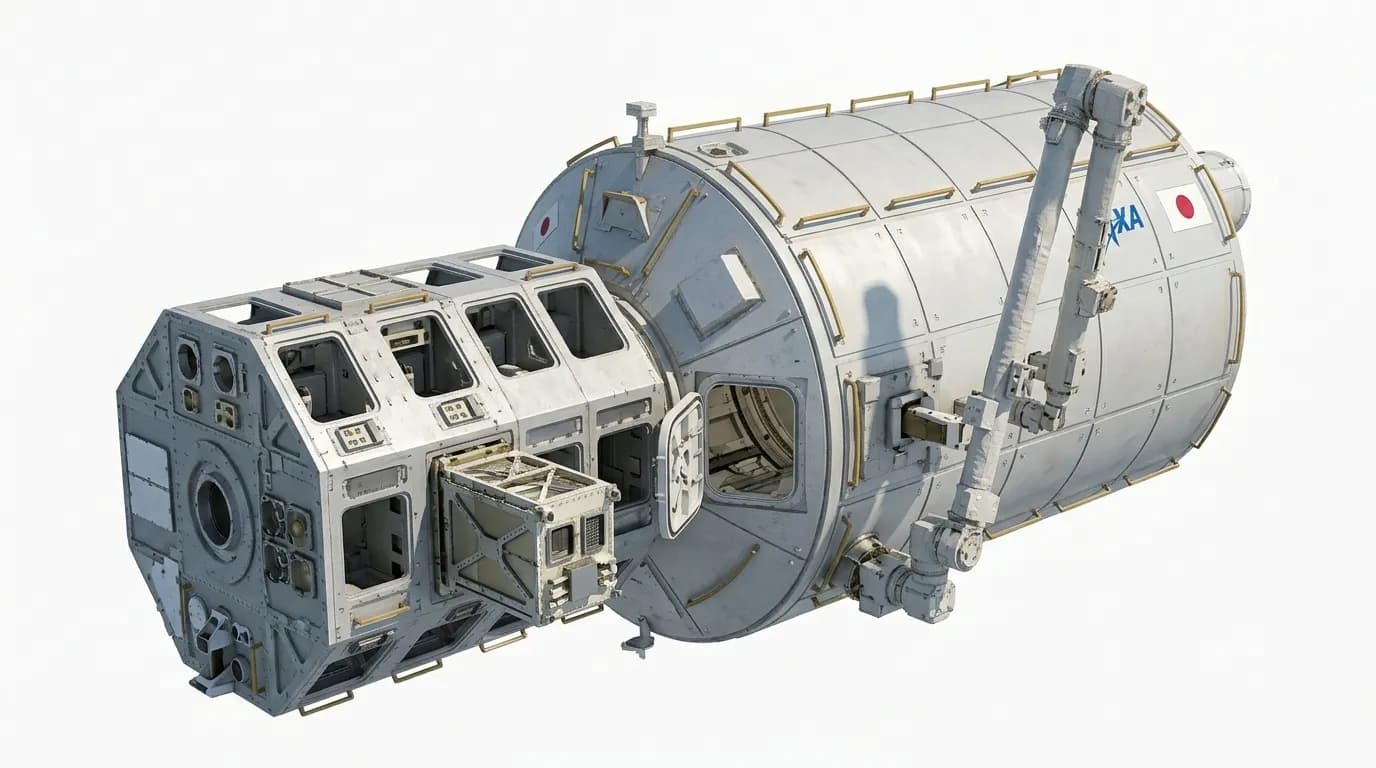

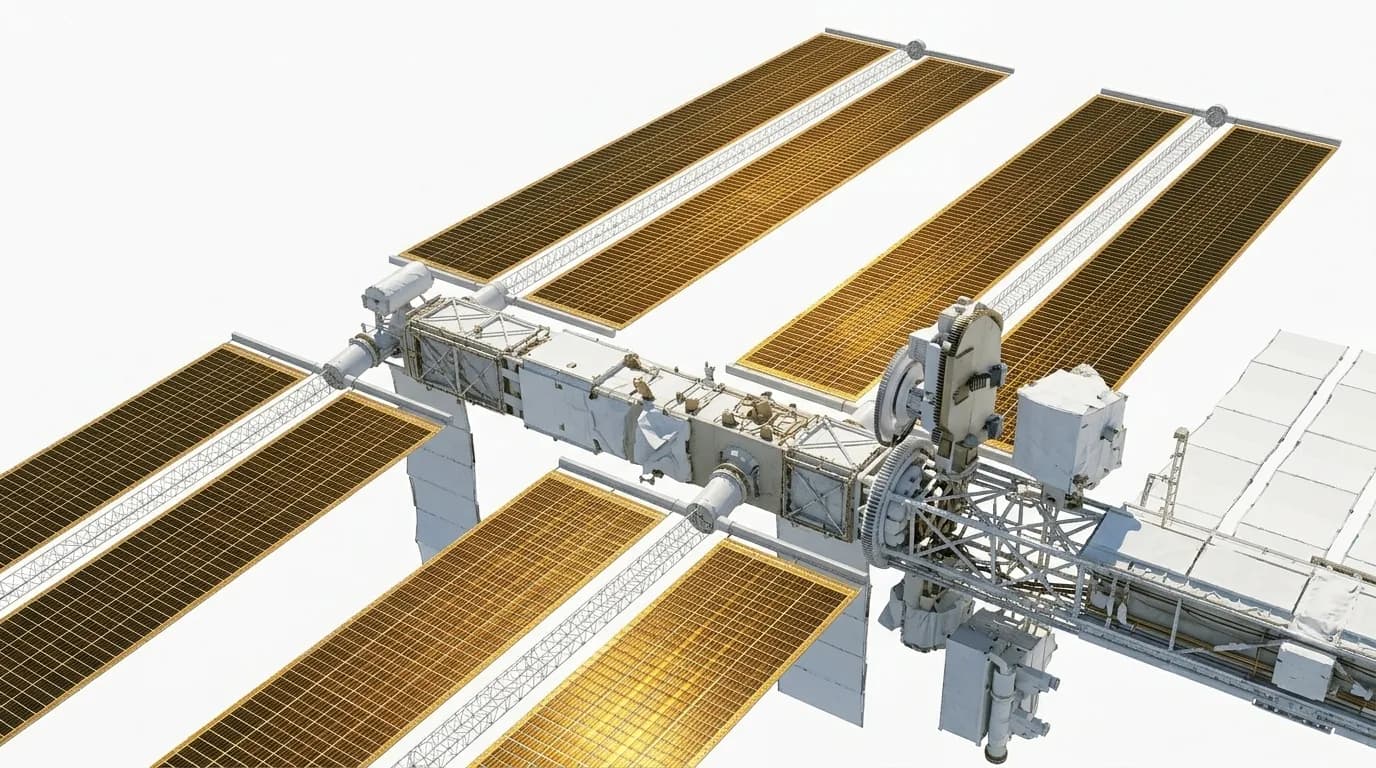
The largest structure ever built in space, weighing over 420 metric tons and continuously occupied since November 2000. Over 270 people from 21 countries have lived and worked aboard. At over $150 billion, it is the most expensive object ever constructed and the most ambitious international engineering collaboration in history.
History
The International Space Station grew from the ashes of two cancelled projects: NASA''s Space Station Freedom and Russia''s Mir-2. When the Cold War ended, former rivals became partners. The resulting partnership included NASA, Roscosmos, ESA, JAXA, and CSA (Canada), creating a station far larger and more capable than either nation could have built alone.
The first module, Russia''s Zarya, launched on November 20, 1998, aboard a Proton rocket. Two weeks later, the American Unity node was delivered by Space Shuttle Endeavour. Assembly continued for over a decade, requiring 37 Space Shuttle missions, numerous Russian launches, and over 160 spacewalks. The station was declared assembly complete in 2011, though modules and upgrades have continued to be added.
The ISS orbits at approximately 254 miles altitude, completing one orbit every 92 minutes at 17,500 miles per hour. Its solar arrays span 356 feet -- longer than a football field -- and generate up to 215 kilowatts of power. The pressurized volume, roughly equivalent to a six-bedroom house, includes American, Russian, European, and Japanese laboratory modules where thousands of experiments in microgravity, biology, materials science, and human physiology have been conducted.
Continuous human occupation began on November 2, 2000, when the Expedition 1 crew arrived aboard a Soyuz spacecraft. Since that day, there has always been at least one person living in space. The station has hosted over 270 crew members from 21 countries, served as a testbed for technologies needed for deep-space exploration, and provided a platform for observing Earth from orbit. Its planned deorbit around 2030 will mark the end of an era in human spaceflight.
Timeline
Launch Heritage
- Longest continuous habitation
- 270+ crew members
- Scott Kelly year in space
- Commercial crew missions
Technical Specifications
Performance
Dimensions
Mass
Mission
Power & Systems
Source: NASA ISS Program
Tags
Designed by NASA / Roscosmos / ESA / JAXA / CSA