R-7 Semyorka
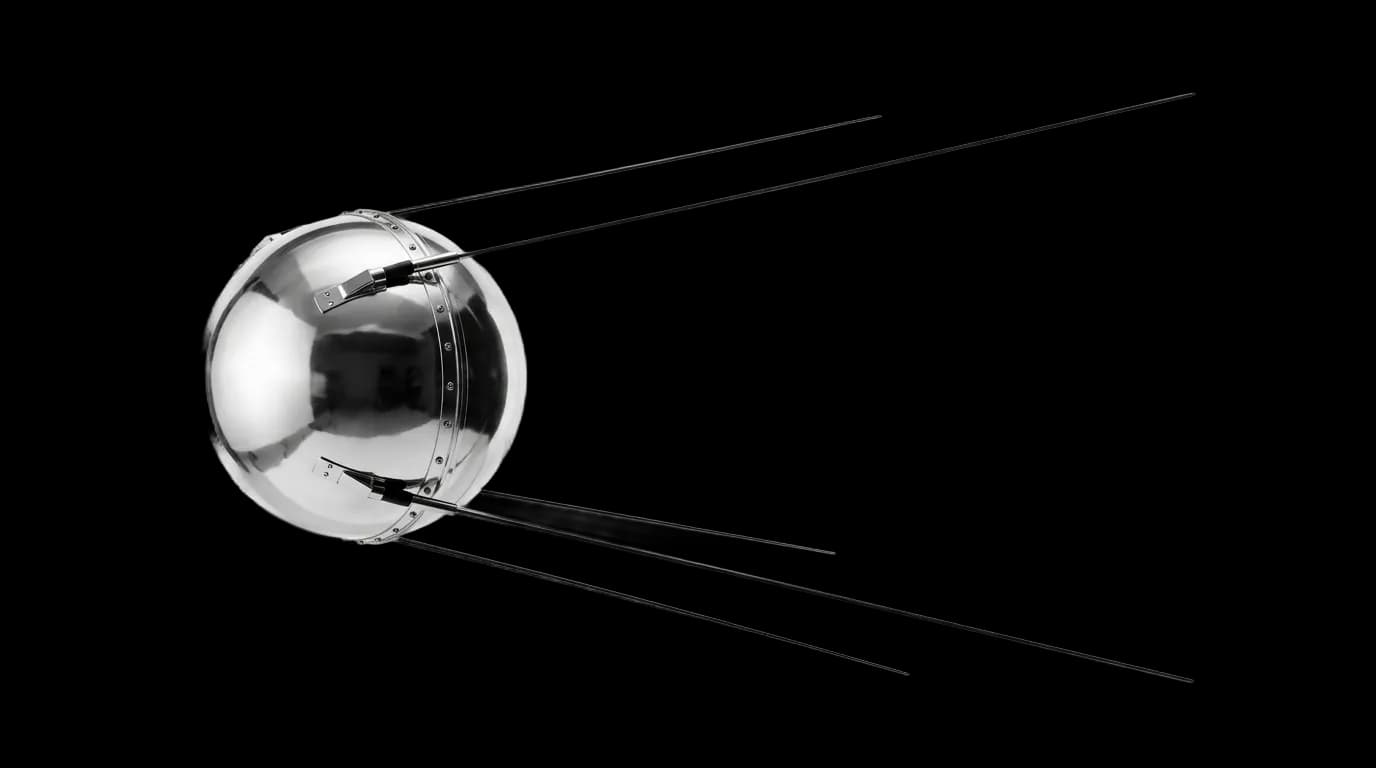

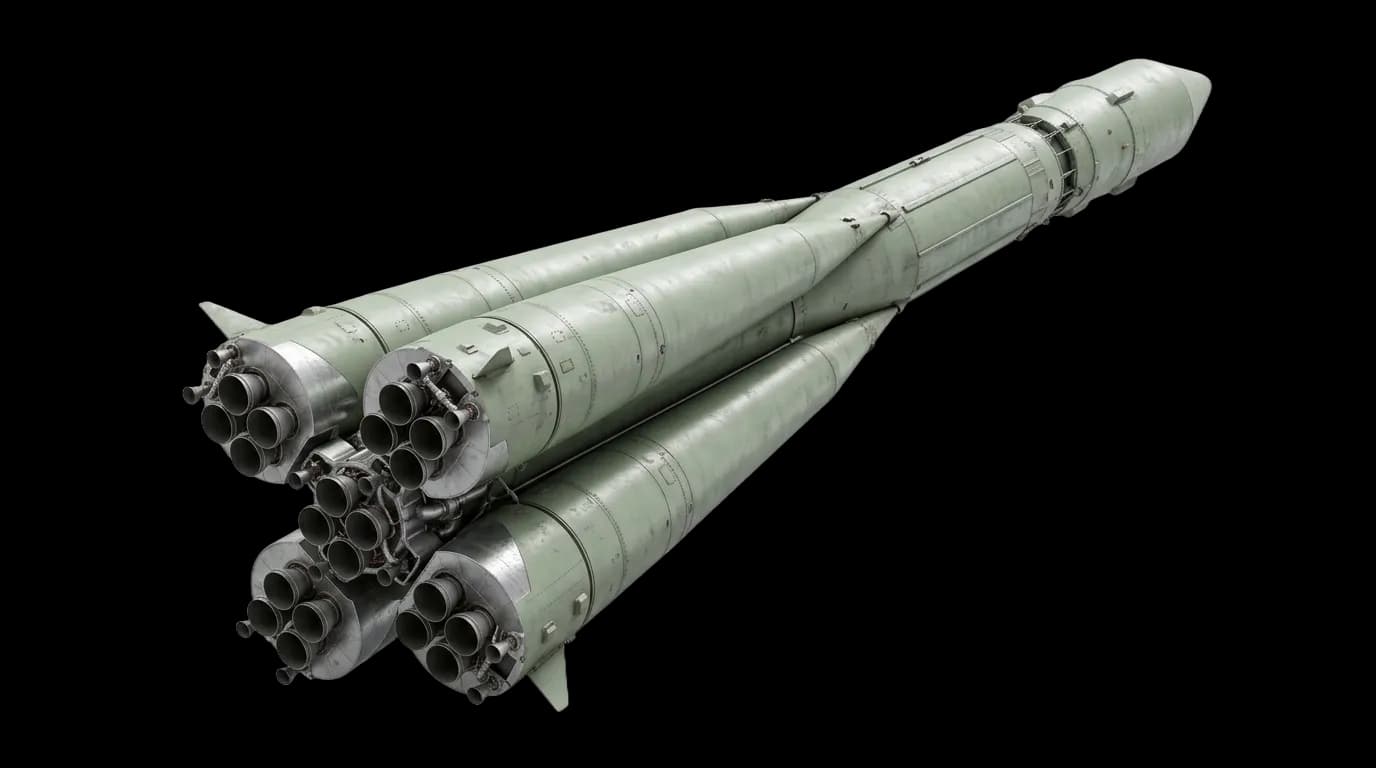
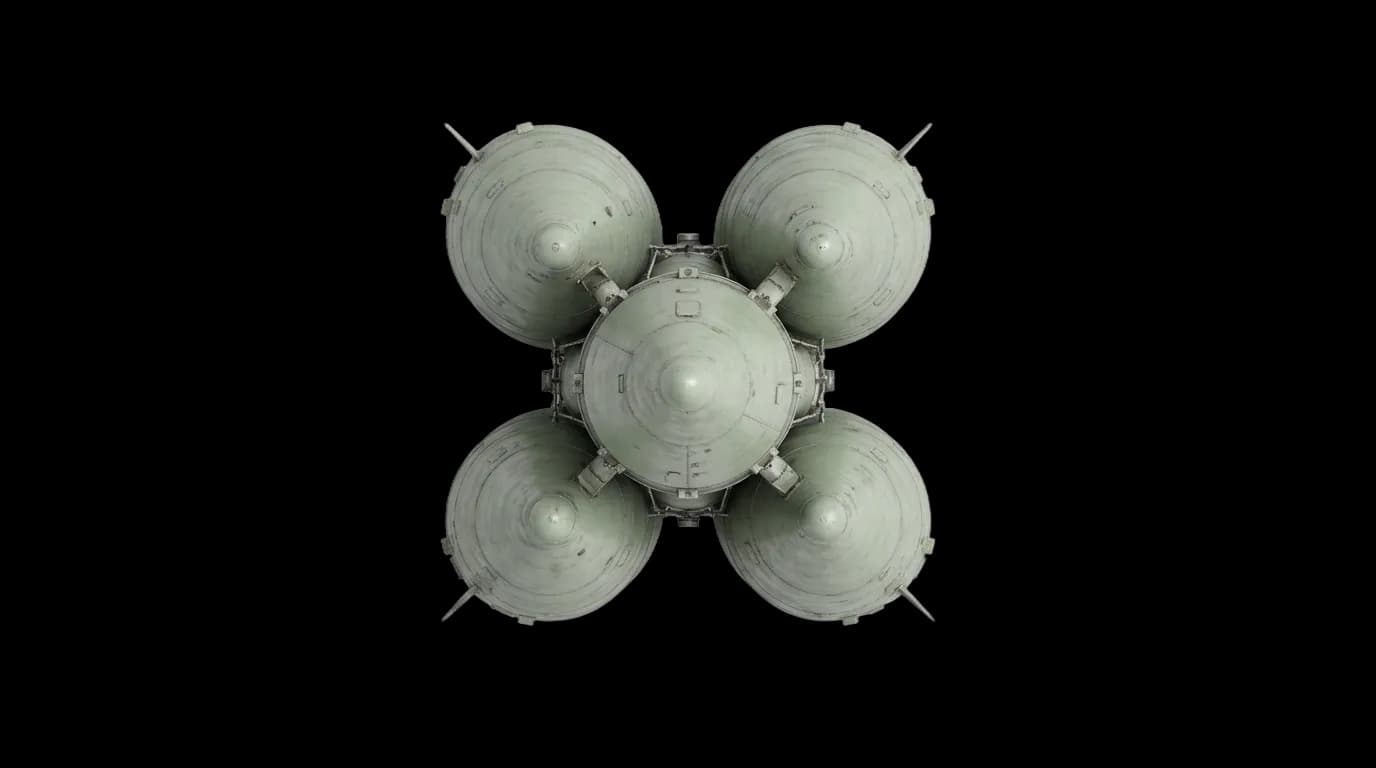
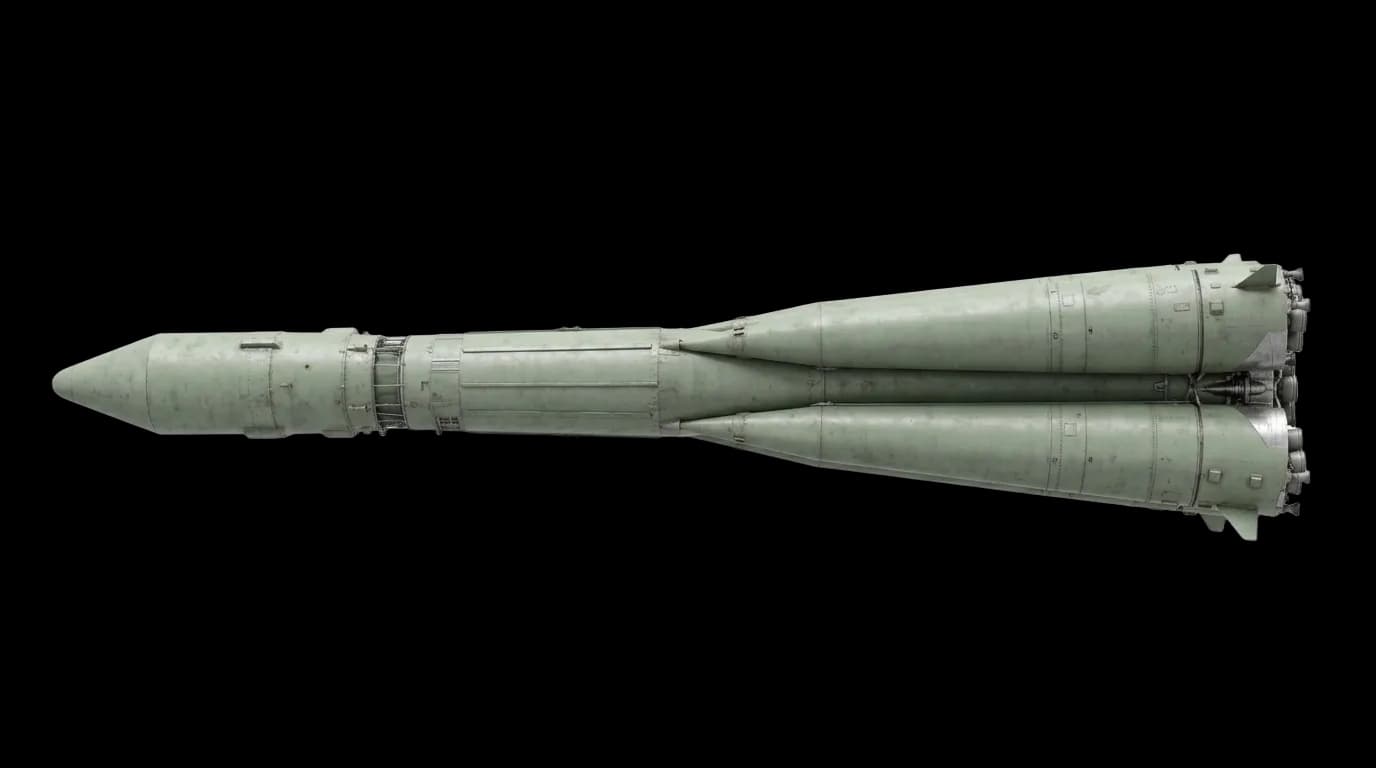
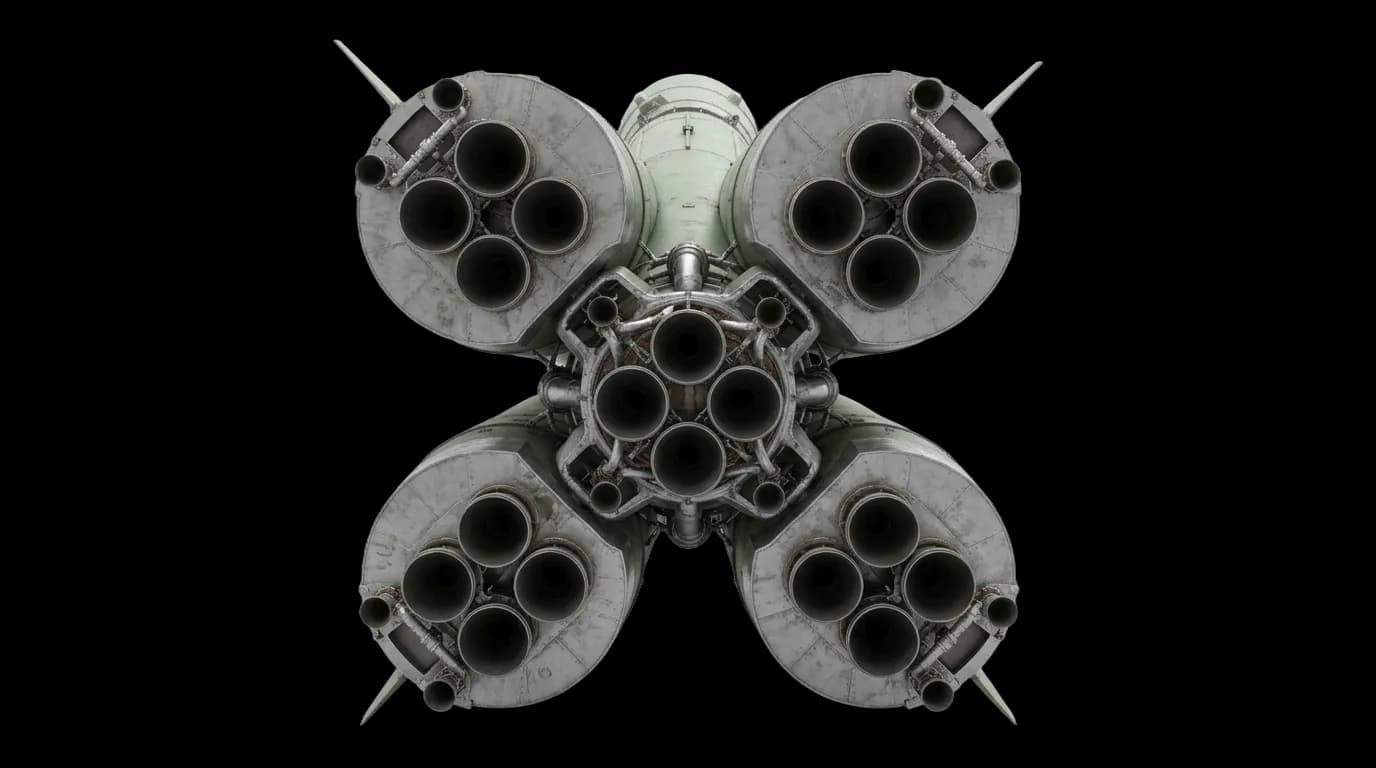
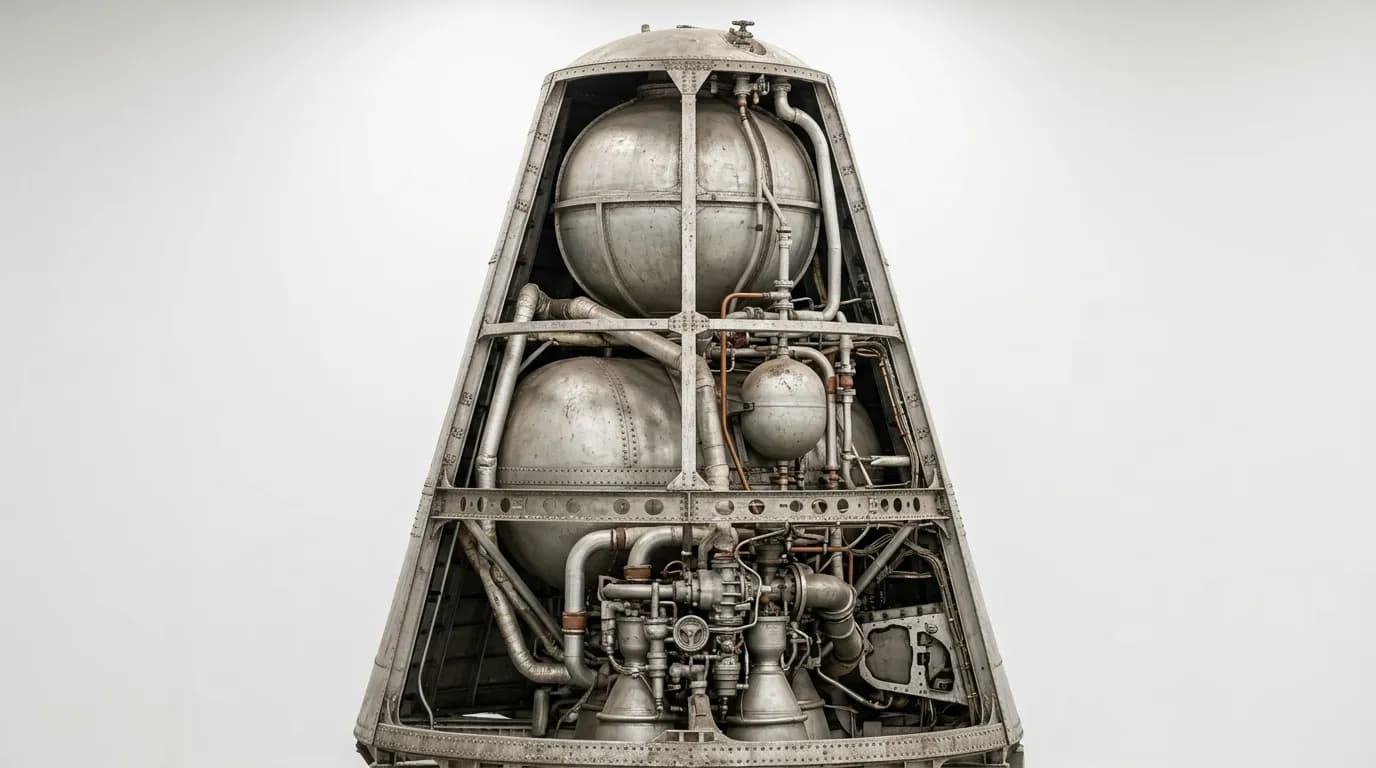
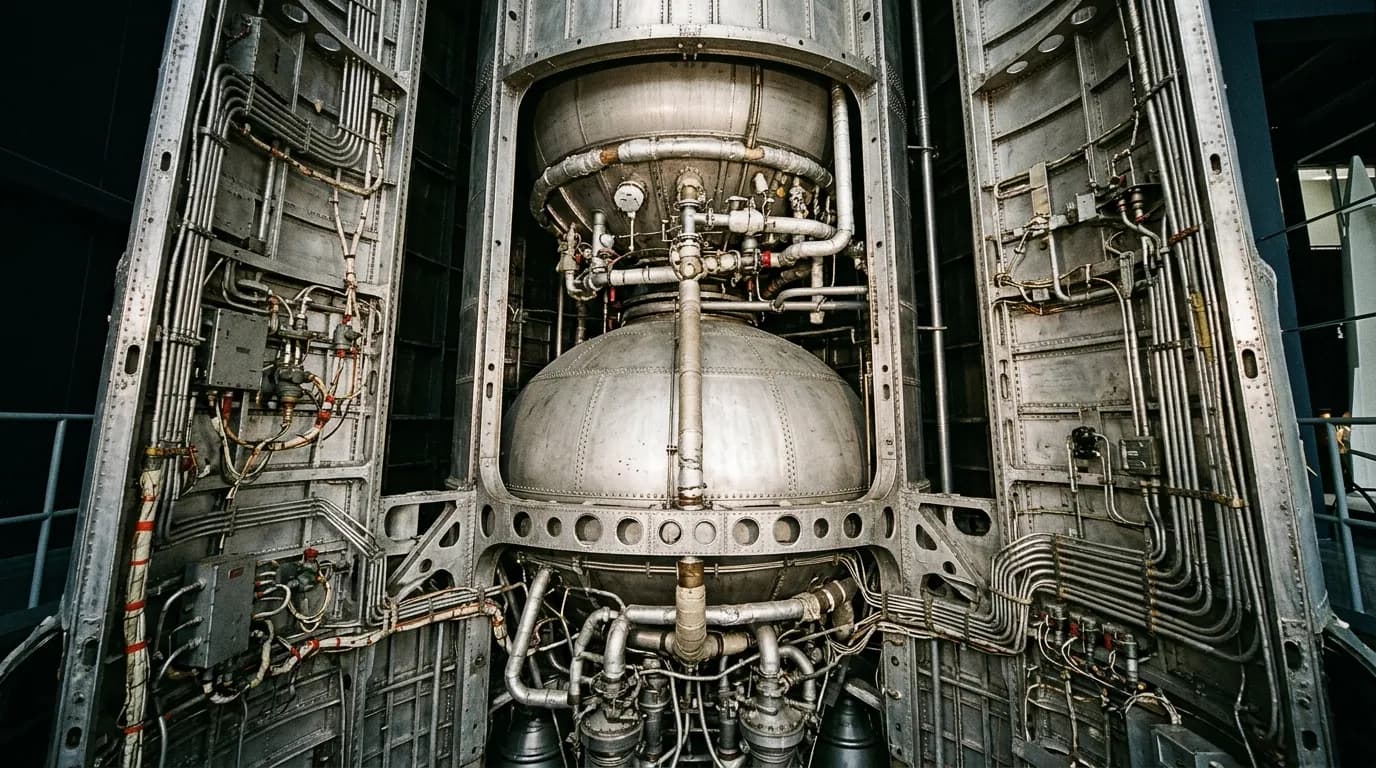
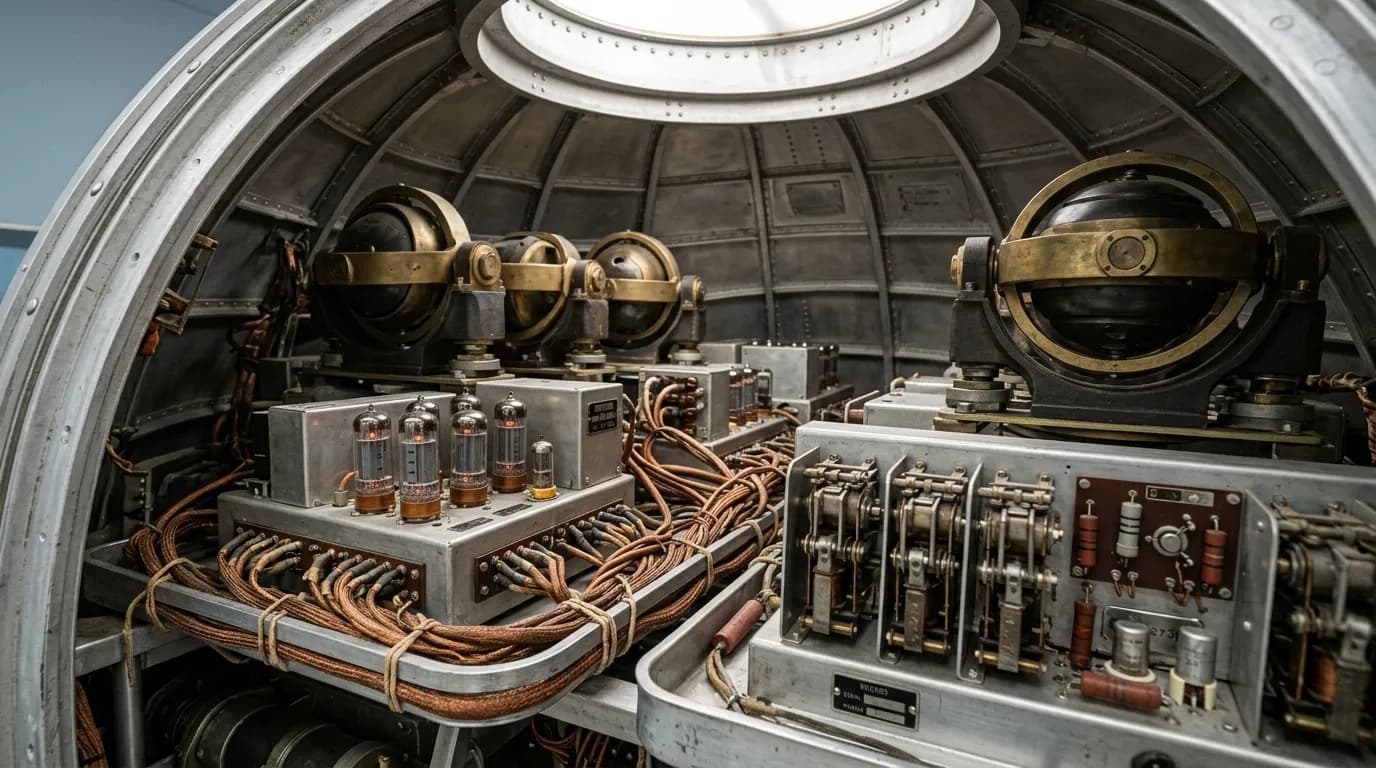
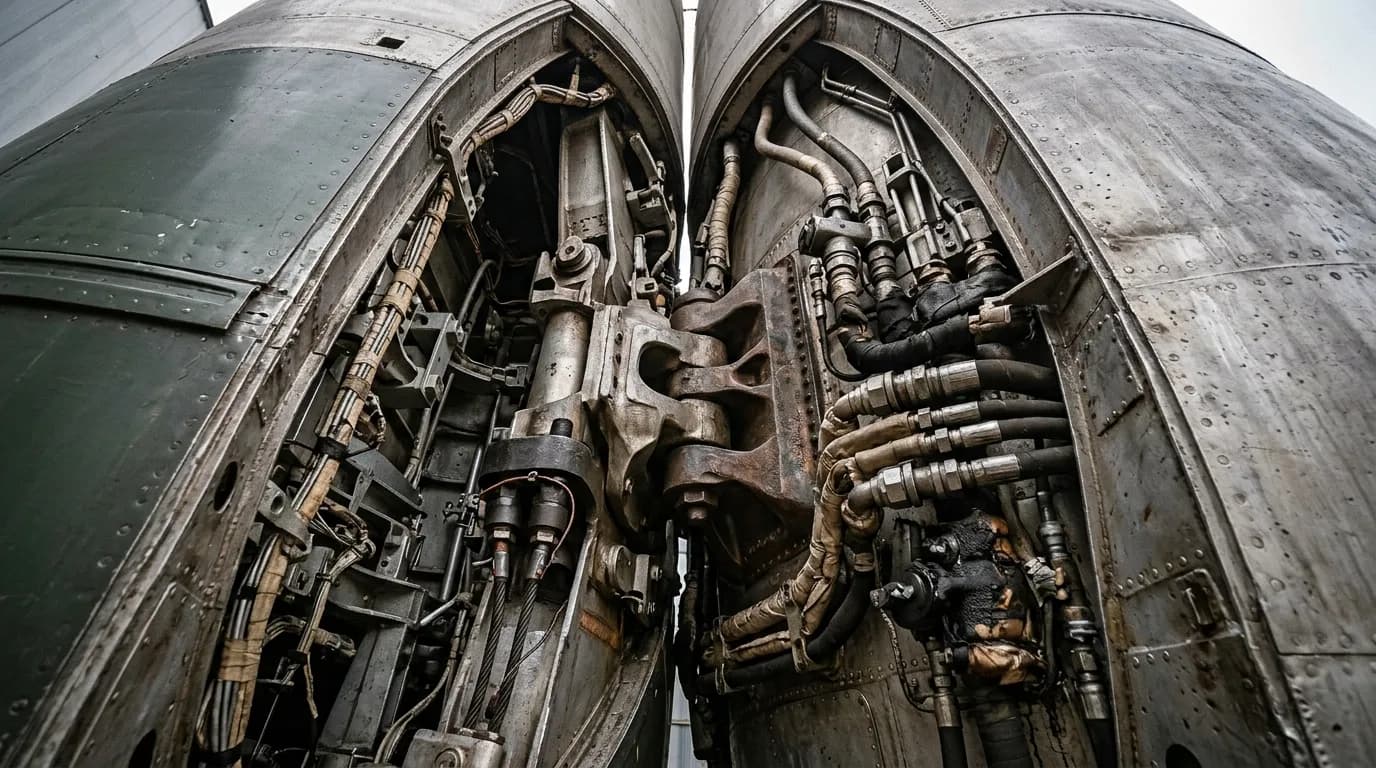
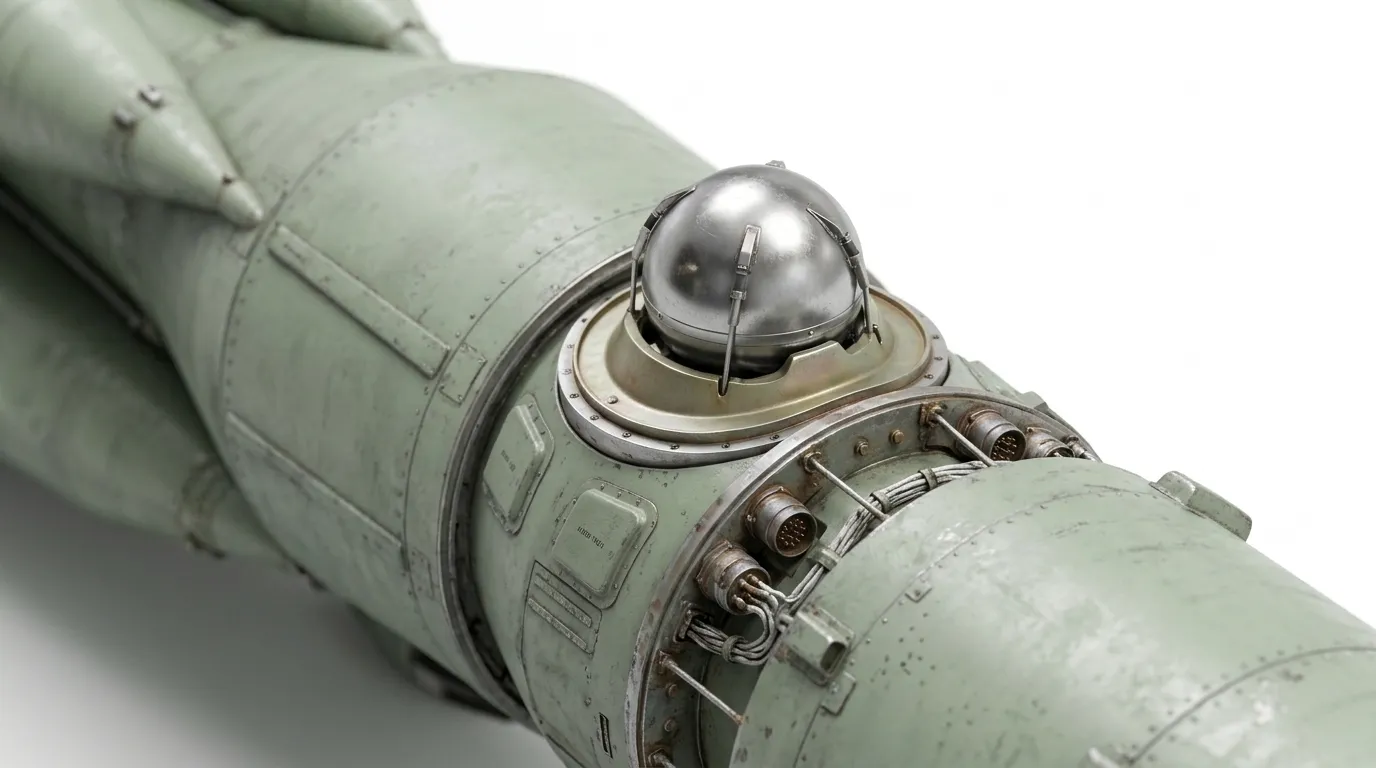
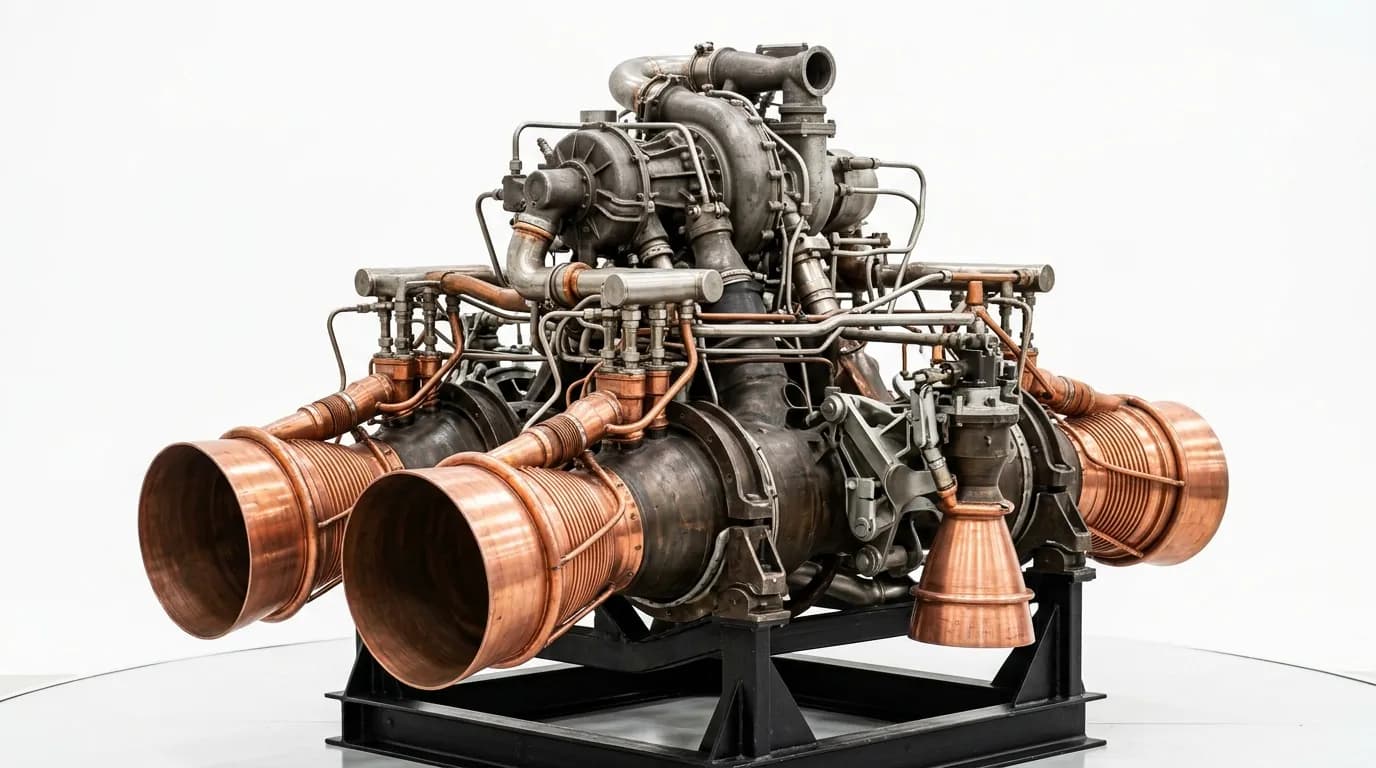
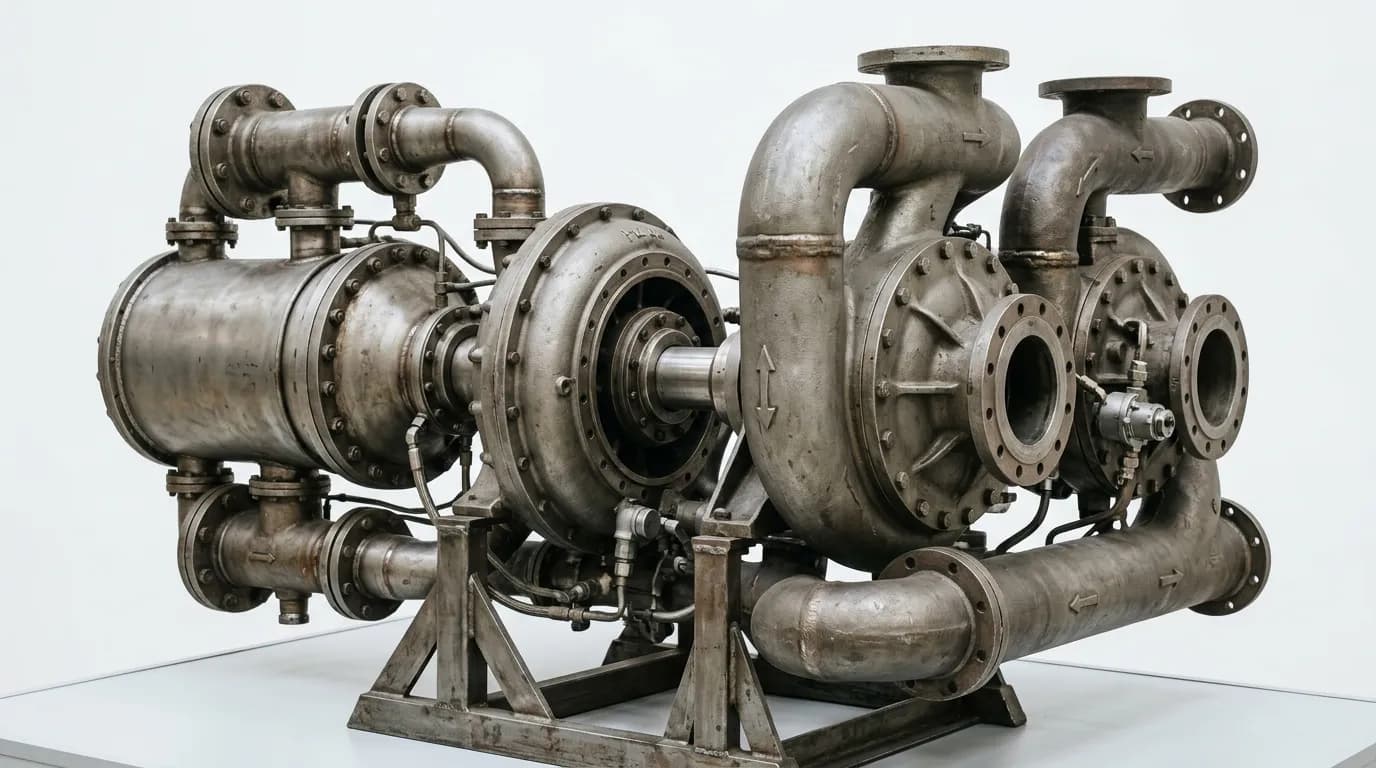
The rocket that started the Space Age. The world''s first intercontinental ballistic missile, it launched Sputnik on October 4, 1957, and carried Yuri Gagarin to orbit on April 12, 1961. Its descendants (the Soyuz family) still fly today.
History
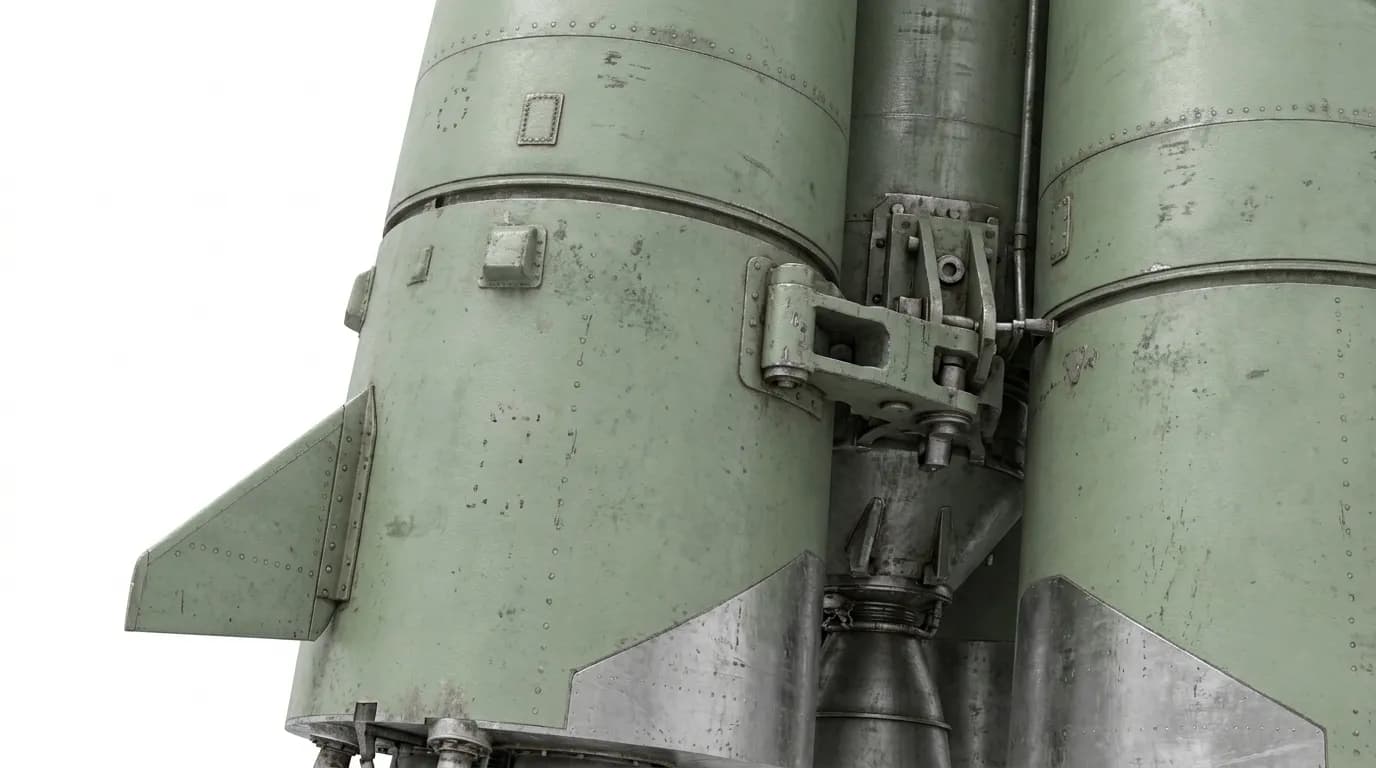
The R-7 was designed by Sergei Korolev and his team at OKB-1 as the Soviet Union''s first intercontinental ballistic missile, intended to deliver a nuclear warhead to the continental United States. Its four strap-on boosters and central core configuration was driven by the limitations of Soviet engine technology: unable to build a single engine powerful enough, Korolev clustered twenty engines across five separate rocket bodies.
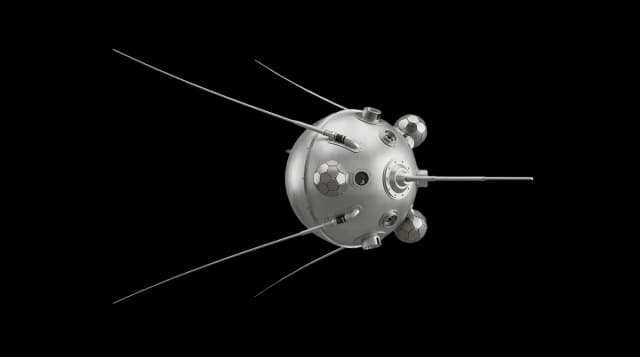
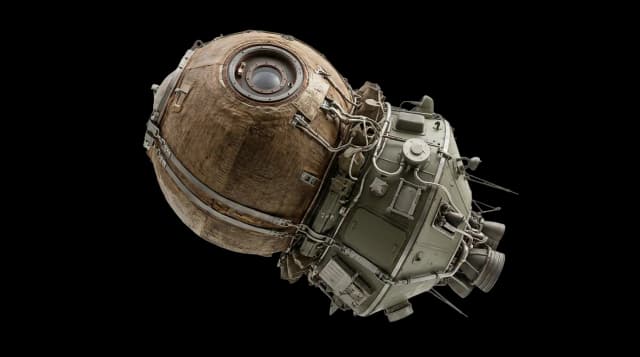
On October 4, 1957, an R-7 launched Sputnik 1, the first artificial satellite, into orbit. The 184-pound sphere''s radio beeps, detectable by amateur radio operators worldwide, stunned the Western world and ignited the Space Race. Four years later, on April 12, 1961, a modified R-7 (designated Vostok-K) carried Yuri Gagarin on the first human spaceflight, a single orbit of the Earth lasting 108 minutes.
The R-7 was a mediocre ICBM -- it required hours of preparation, used non-storable cryogenic propellants, and could only be launched from fixed, vulnerable sites. But as a space launch vehicle, its design was brilliant. The tapered strap-on boosters separated cleanly, the staging sequence was elegant, and the basic architecture proved endlessly adaptable. Every Soyuz rocket flying today traces its lineage directly to Korolev''s R-7, making it the most influential rocket design in history.
Timeline
Launch Heritage
- Launched Sputnik 1 (Oct 1957, first satellite)
- Launched Vostok 1 with Yuri Gagarin (Apr 1961, as variant)
- World's first ICBM and first orbital launch vehicle
Technical Specifications
Propulsion
Performance
Dimensions
Mass
Mission
Power & Systems
Source: Roscosmos
Tags
Designed by Sergei Korolev