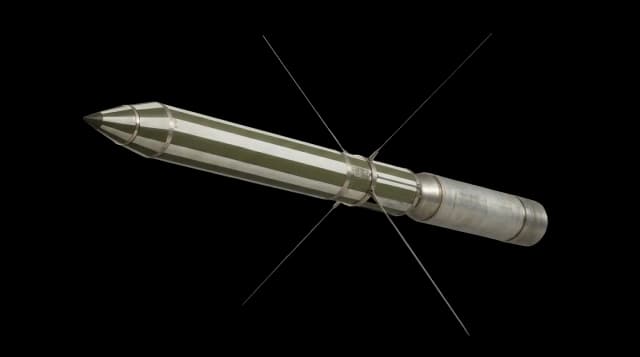
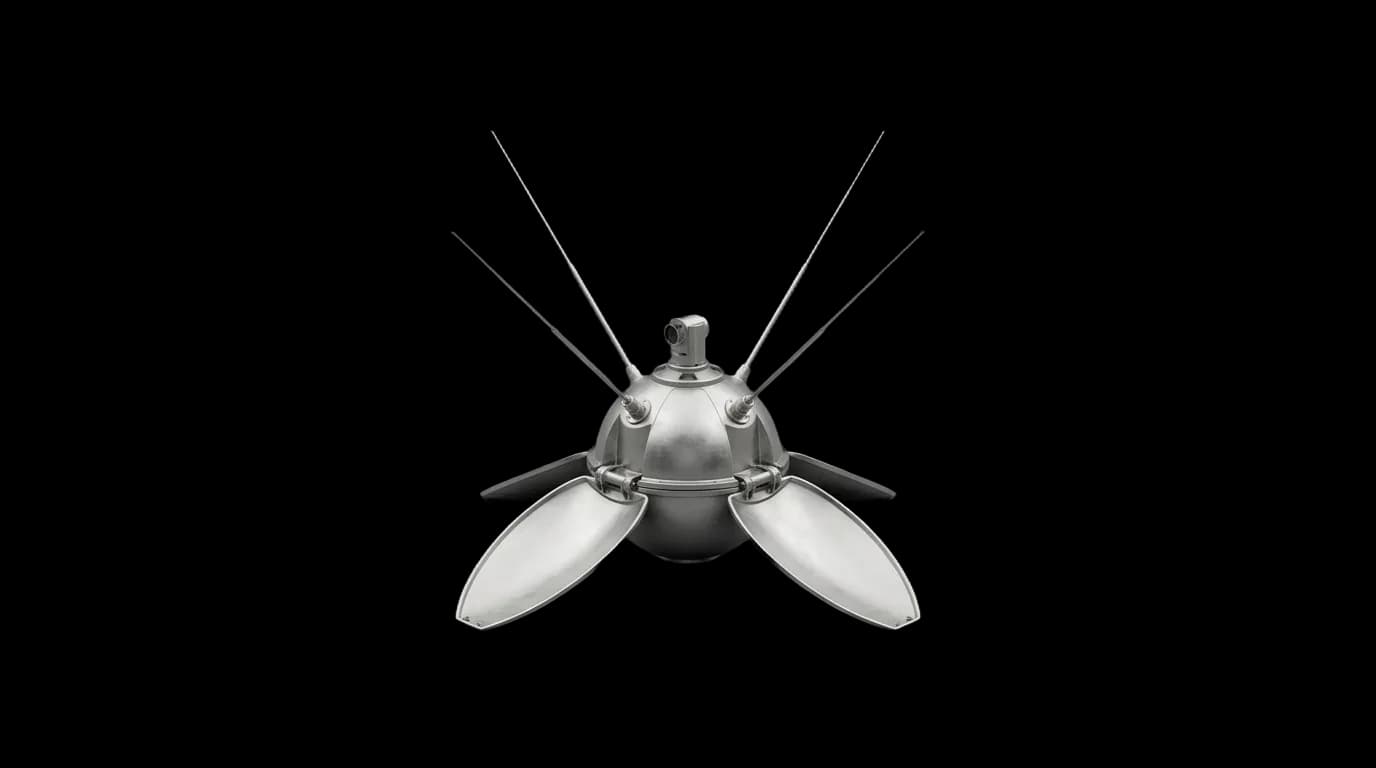
Luna 9

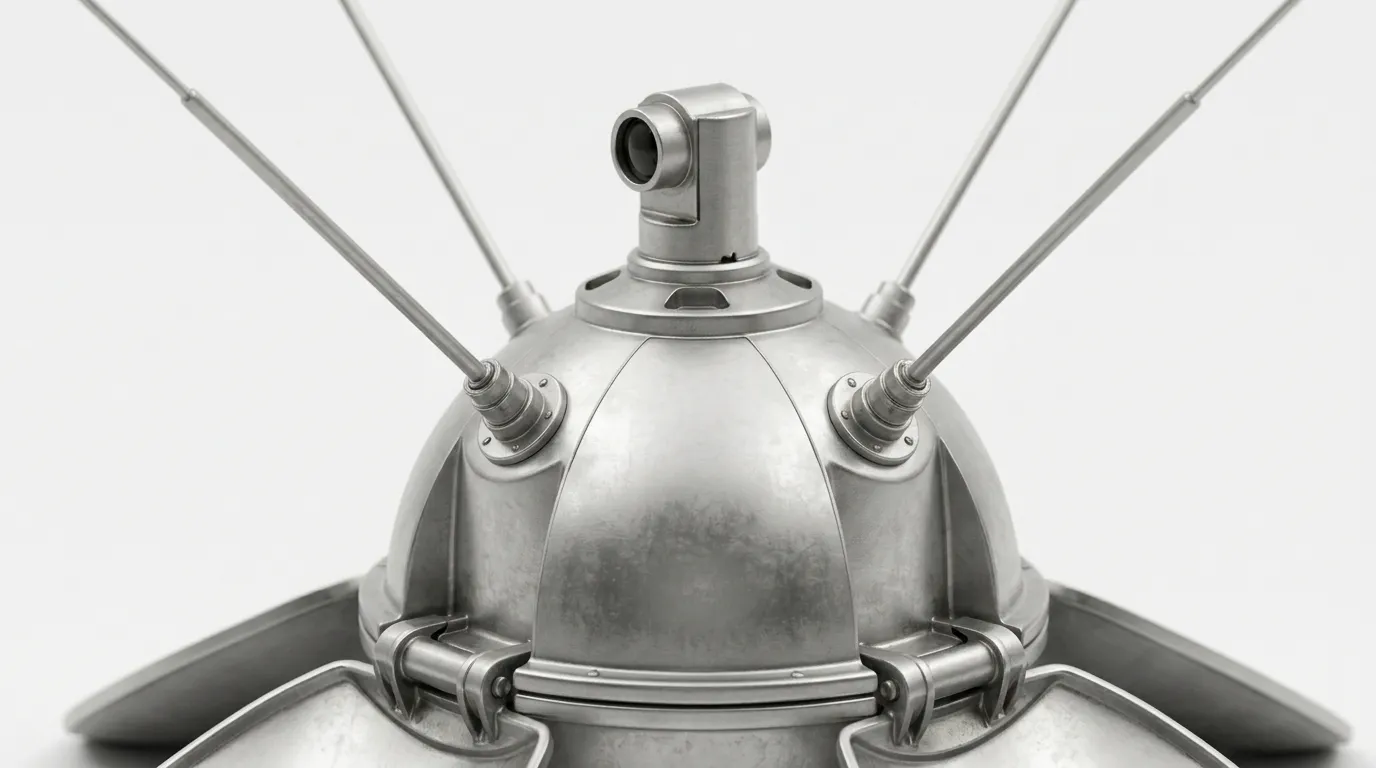
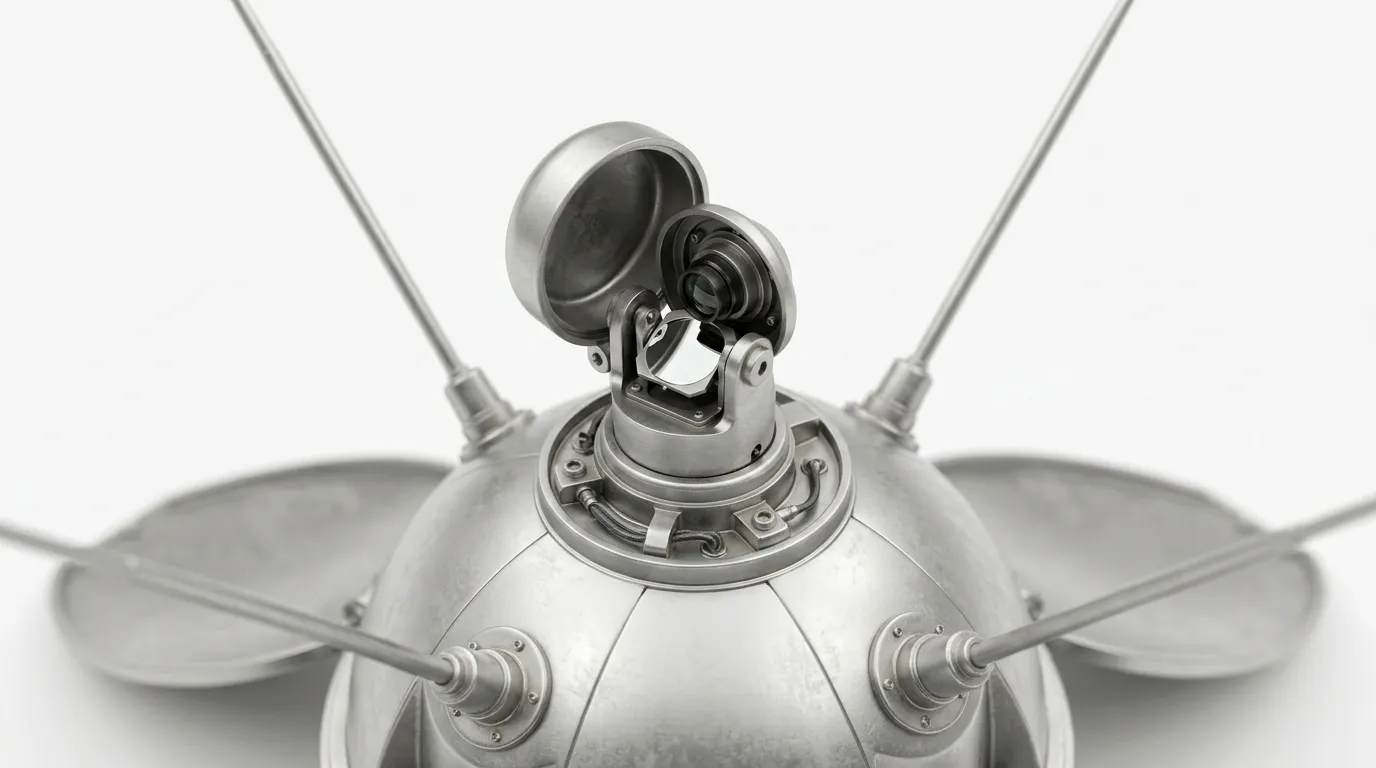
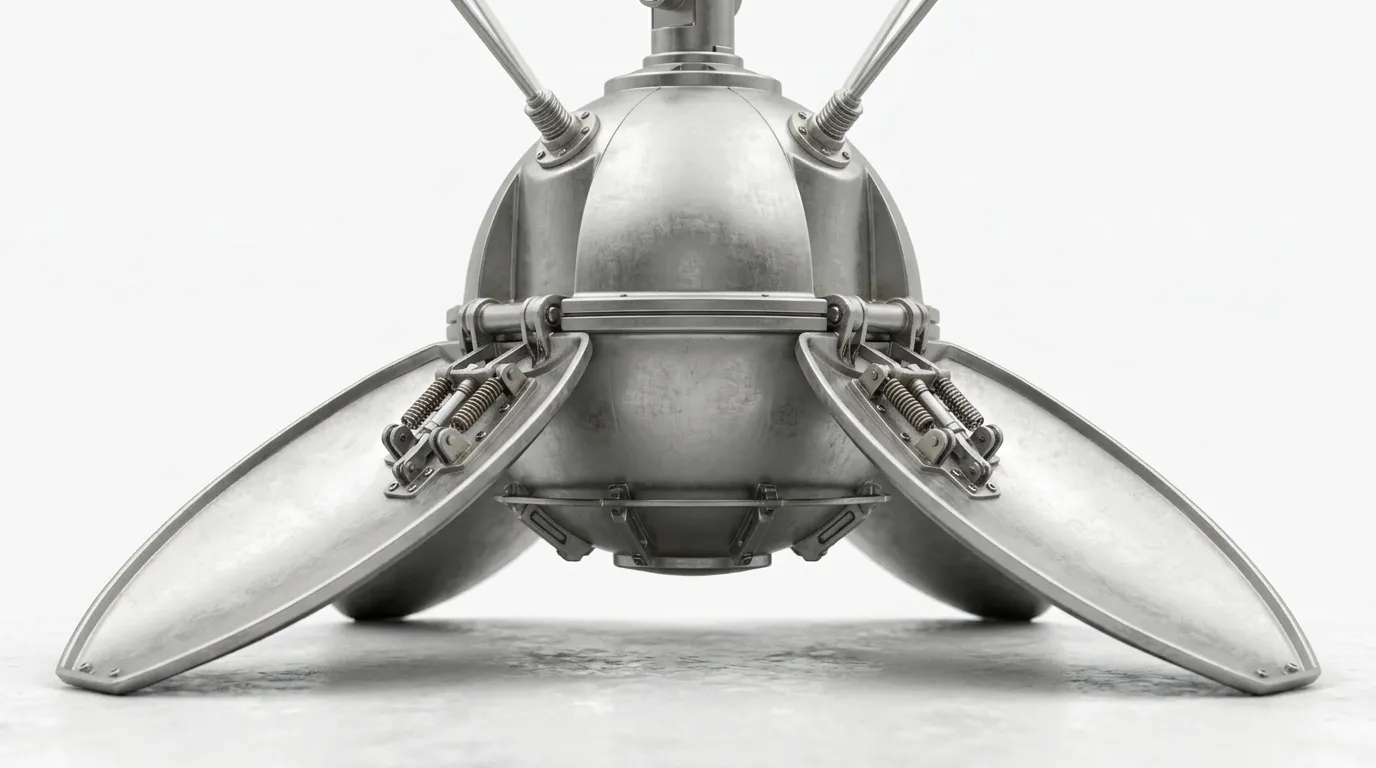
OKB-1 Luna 9 1966 - Hero viewOKB-1 Luna 9 1966 - Top View viewOKB-1 Luna 9 1966 - Profile viewOKB-1 Luna 9 1966 - Bottom View viewOKB-1 Luna 9 1966 - Camera viewOKB-1 Luna 9 1966 - Capsule viewOKB-1 Luna 9 1966 - Radio viewOKB-1 Luna 9 1966 - Thermal System viewOKB-1 Luna 9 1966 - Airbag viewOKB-1 Luna 9 1966 - Antennas viewOKB-1 Luna 9 1966 - Camera viewOKB-1 Luna 9 1966 - Petals view
Hero
First of its kind

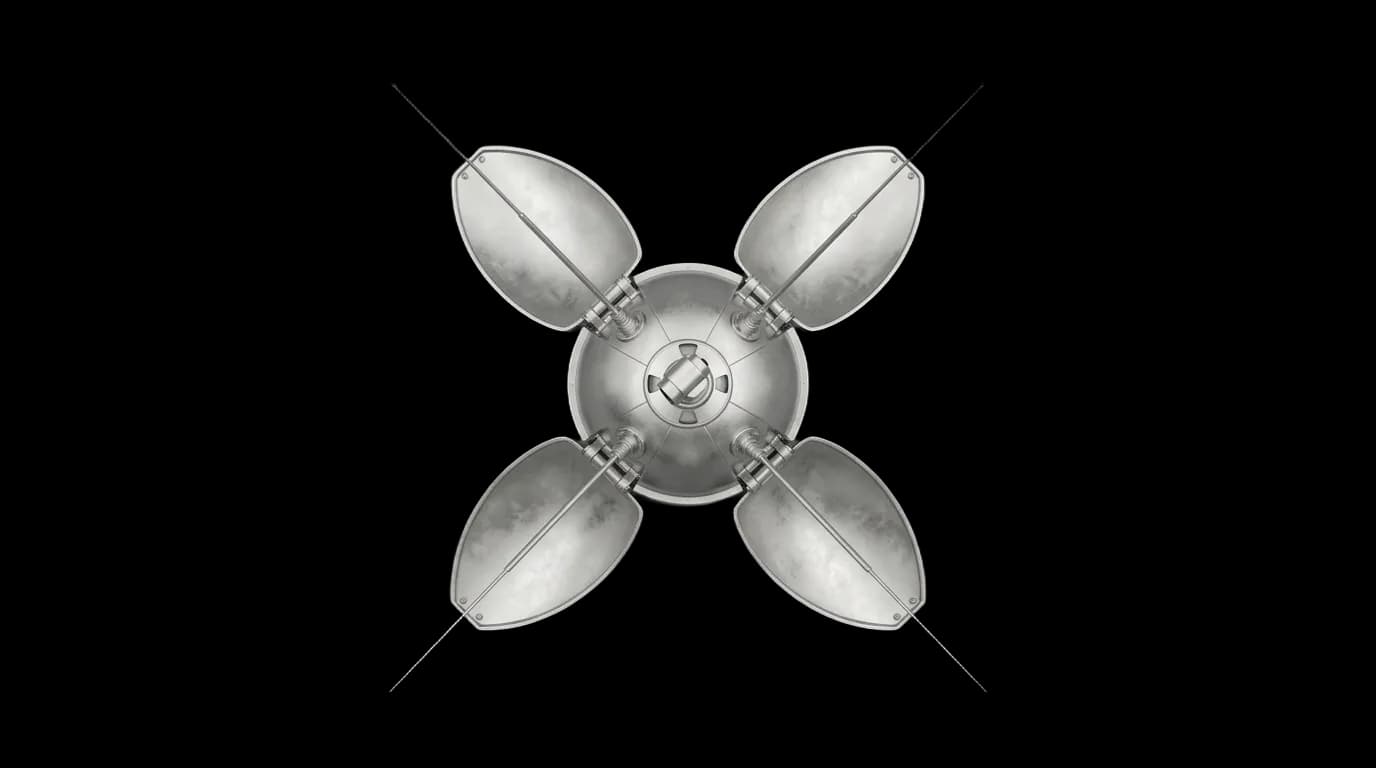
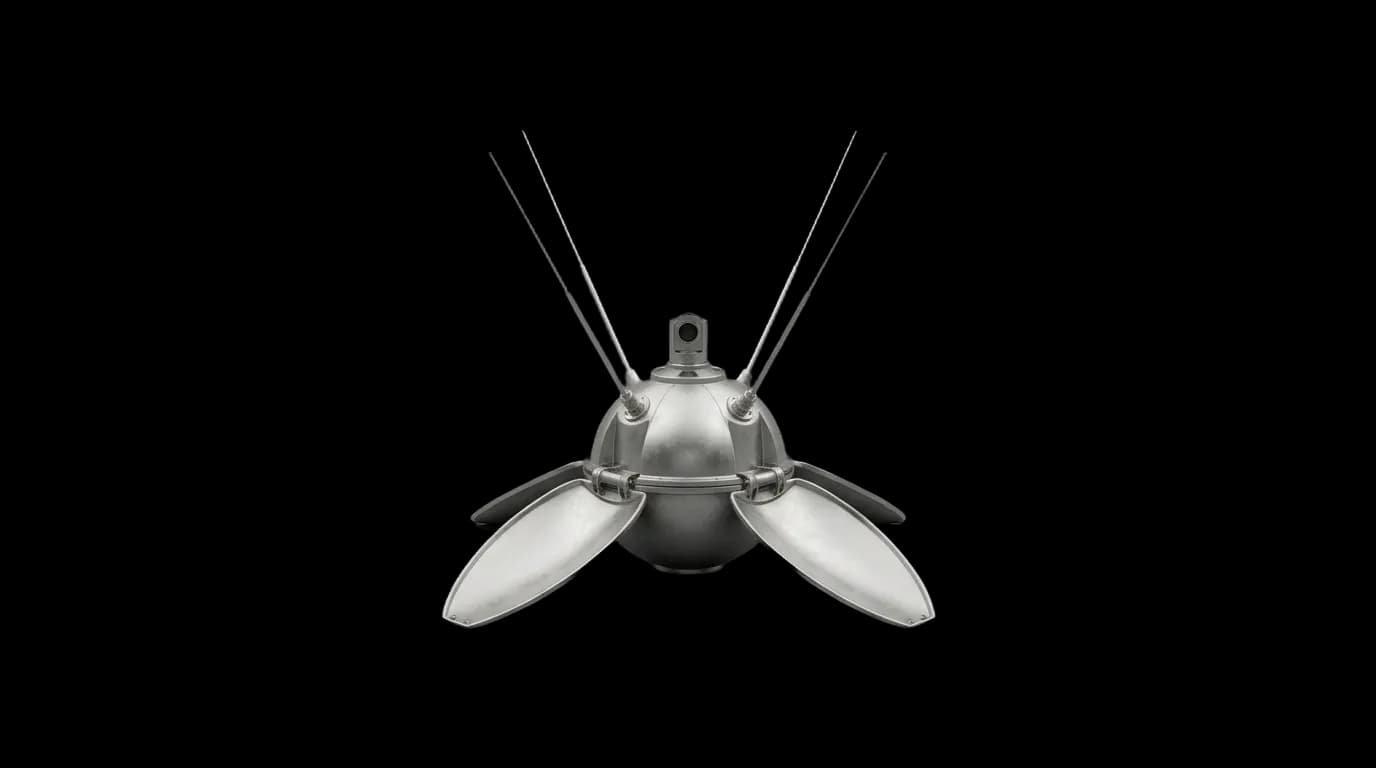
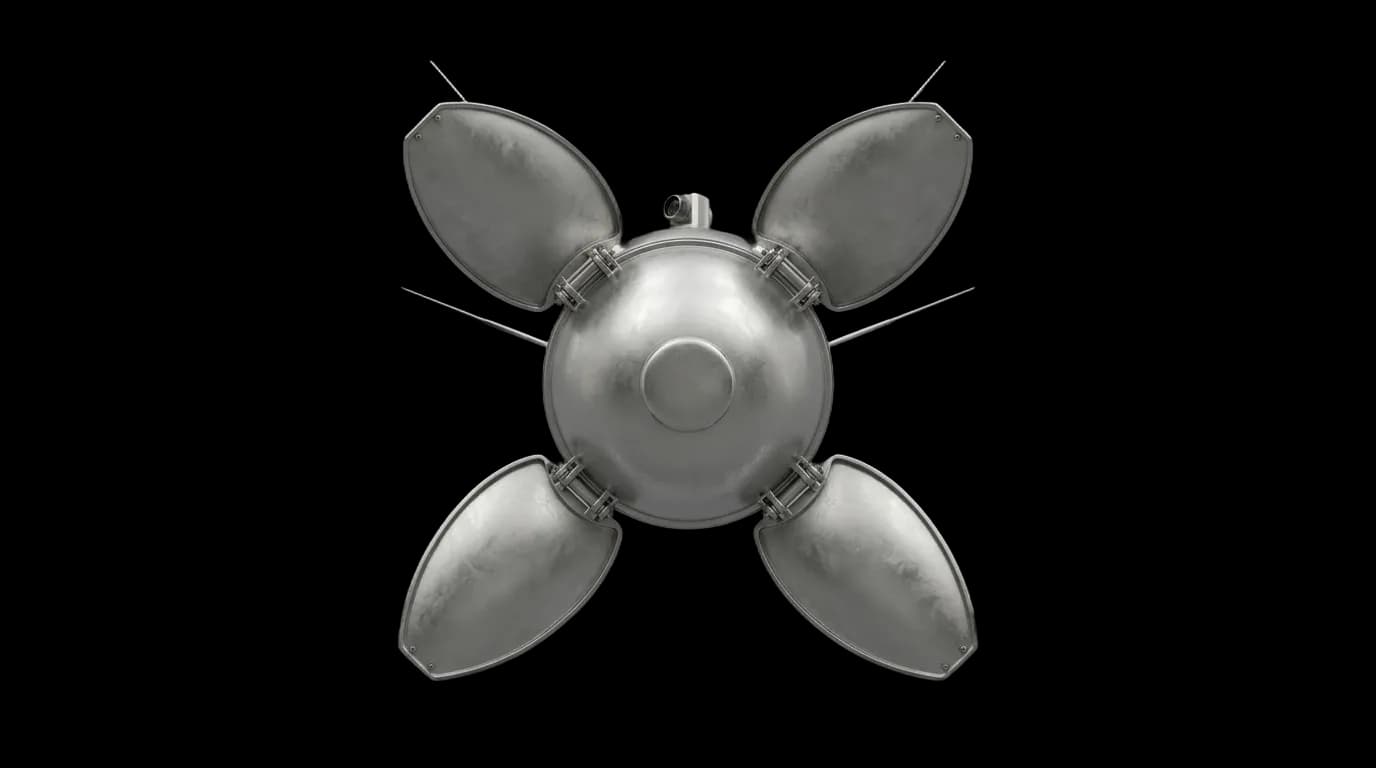
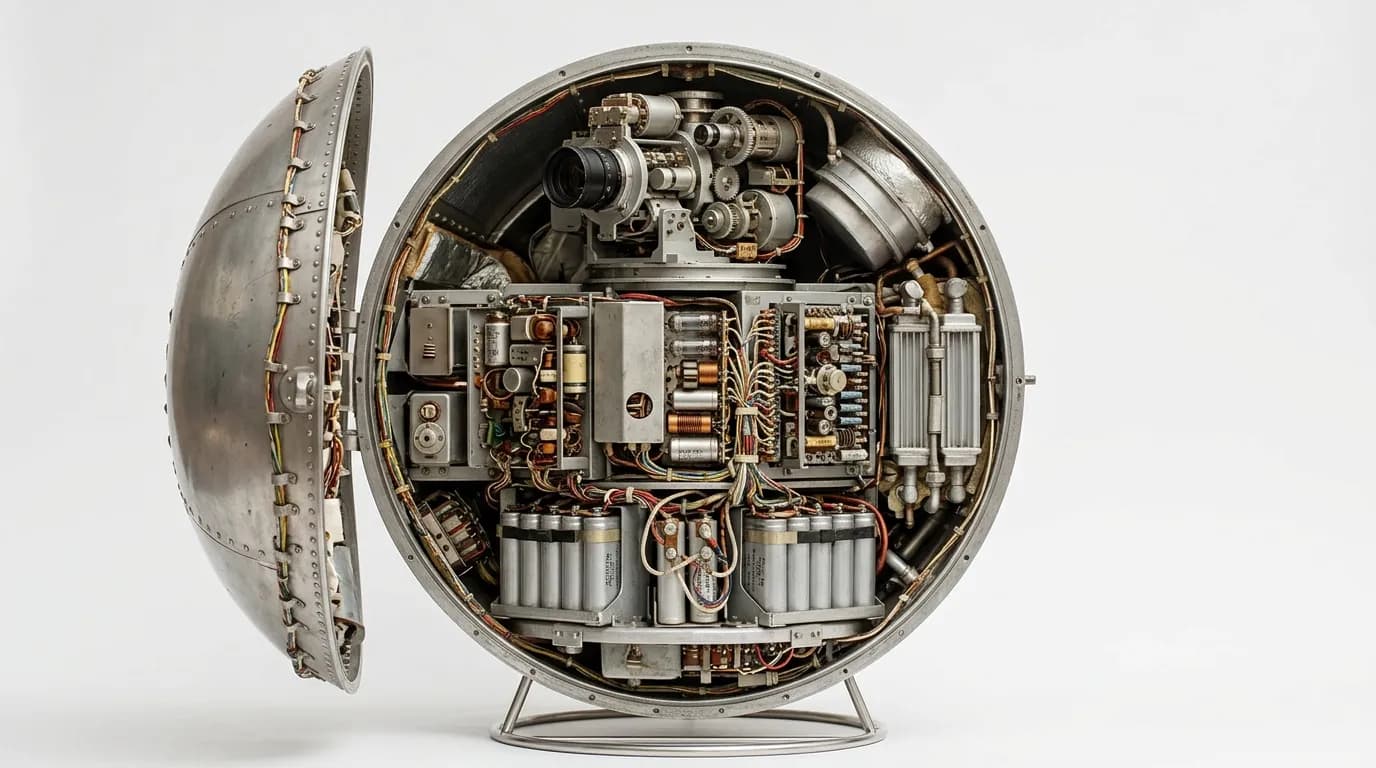
The first spacecraft to achieve a soft landing on the Moon and transmit photographs from the lunar surface. Luna 9 resolved a critical question: whether the Moon''s surface was solid enough to support a lander.

History

Before Luna 9, there was genuine uncertainty about whether the lunar surface could support a spacecraft. Some scientists theorized that the Moon was covered in a deep layer of fine dust that would swallow any object that landed on it. Luna 9 proved the surface was solid.

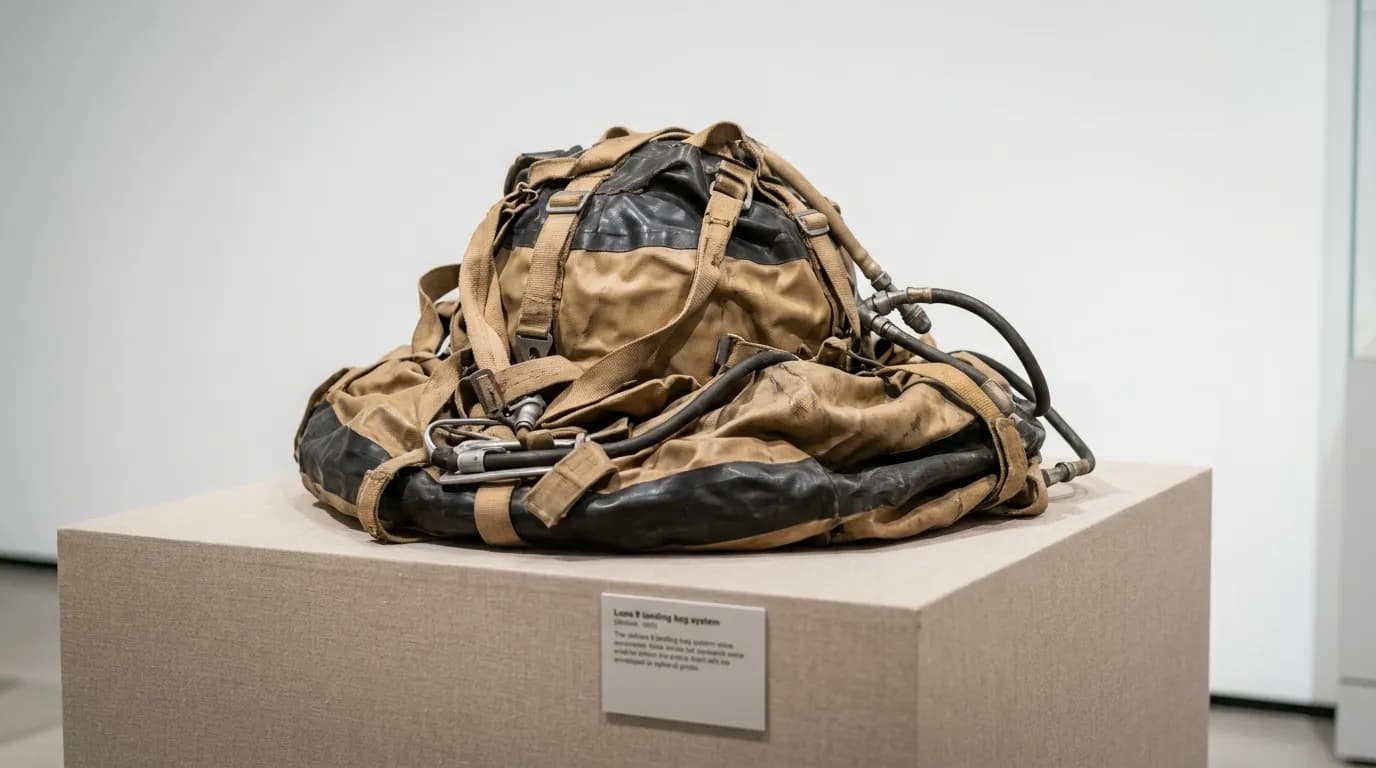
The spacecraft landed in Oceanus Procellarum on February 3, 1966, after a series of retrorockets and an airbag system cushioned its final descent. The 220-pound landing capsule opened four petal-shaped covers and began transmitting panoramic photographs of the lunar surface, showing a rocky, firm terrain with a gently rolling horizon.

The images were intercepted and decoded by the Jodrell Bank Observatory in England before the Soviet Union officially released them, creating a minor diplomatic incident but confirming the achievement to the world. Luna 9''s success paved the way for the Apollo Moon landings three years later, proving that a spacecraft could touch down safely on the lunar surface.

Launch Heritage

Operational StatusRetired
Total Launches1/1 (100%)
Service Period1966-1966
DesignerSergei Korolev
Mission Typelander
ReusabilityExpendable
Orbit Typelunar
Target BodyMoon
Production Total1
Notable Missions
  • First soft landing on Moon
  • First photos from lunar surface

Technical Specifications

PropulsionN/A
Height3.3 ft
Length3.3 ft
Diameter/Wingspan1.9 ft
Gross Mass3,391 lbs
Empty Mass218 lbs

Propulsion

Thrust46 kN
PropellantUDMH/Nitric acid (retro-rocket)

Dimensions

Height (m)0.58 m
Diameter (m)0.58 m
Length (m)0.58 m

Mass

Empty Mass (kg)99 kg
Gross Mass (kg)1,538 kg

Mission

Mission Duration3 days on surface (Feb 3-6, 1966), 7 transmissions
Missions Flown1
Success Rate1/1
ReusableNo

Power & Systems

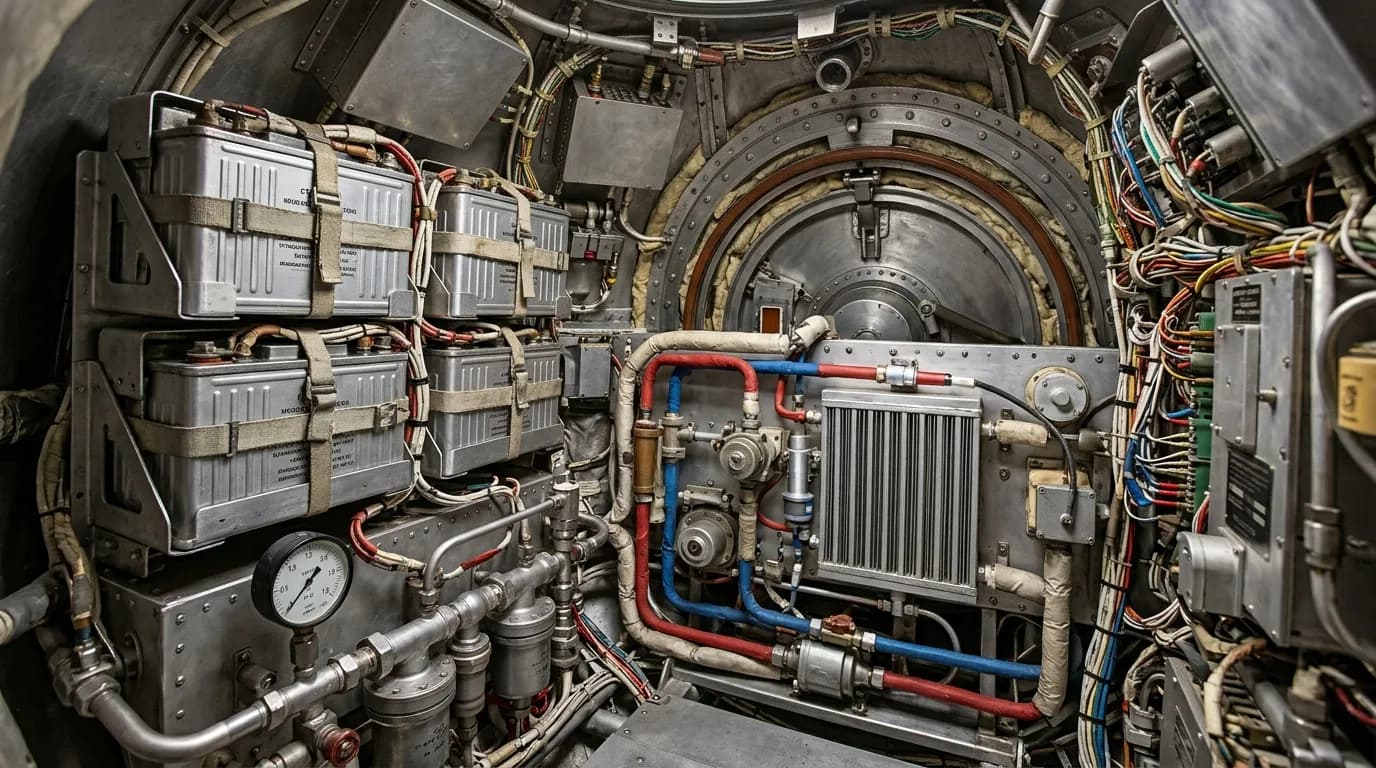
Battery TypeChemical batteries (non-rechargeable)
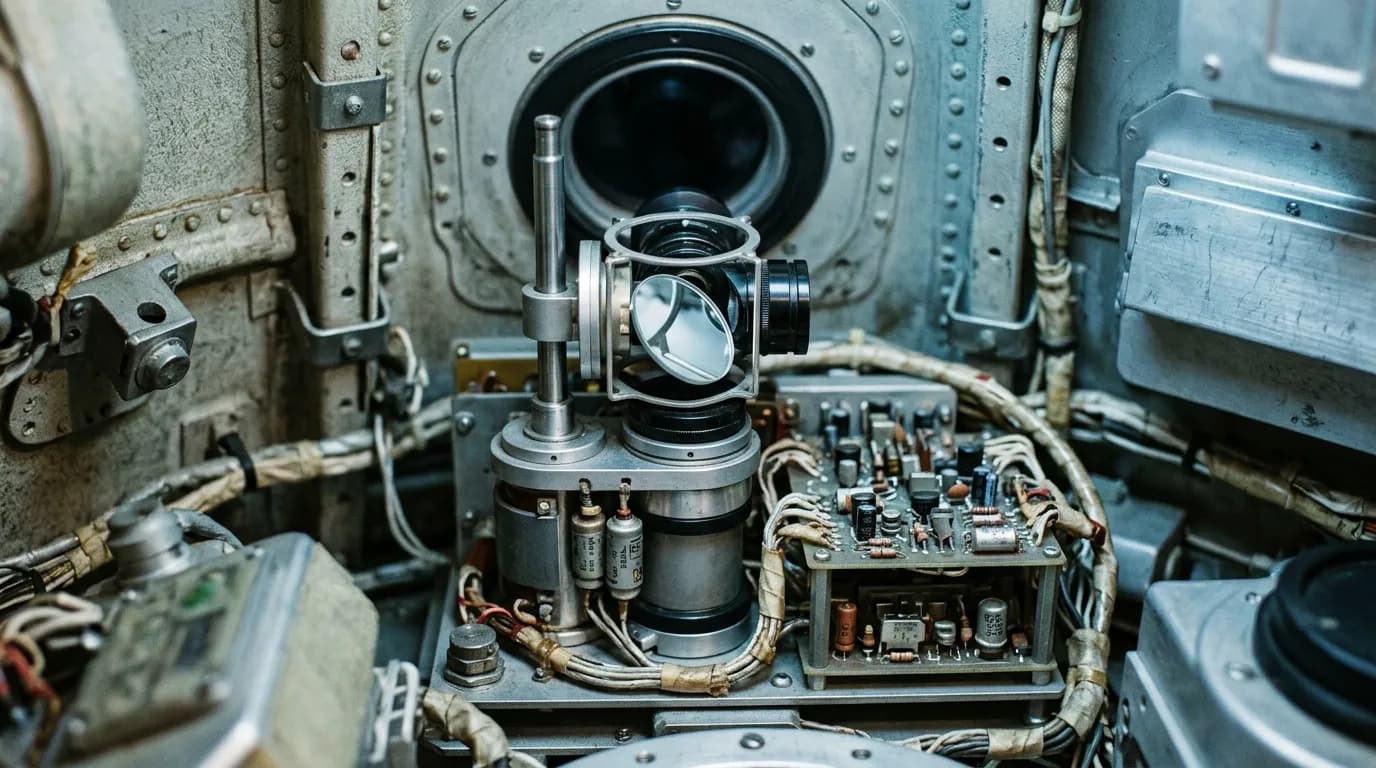
InstrumentsPanoramic camera (cycloramic, 4 mirror turret), radiation detector, temperature sensors, airbag landing system (petals)
AvionicsAutonomous landing system with airbag cushioning
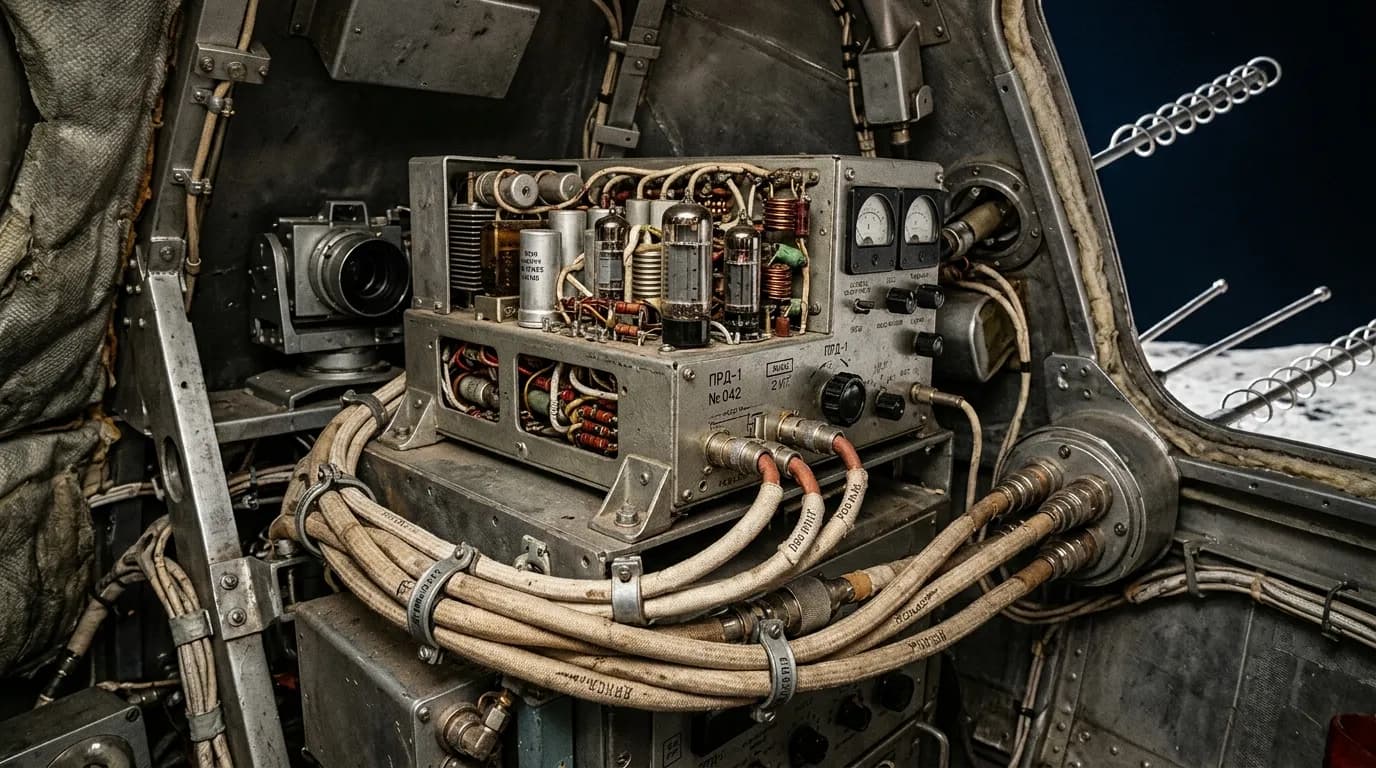
Communication Band183.538 MHz

Source: NASA NSSDC

Tags

Designed by Sergei Korolev
Featured in Collections

Keep Exploring

View all vehicles
Space HeritageCookie Preferences

We use only essential cookies to make this archive work. No tracking or advertising cookies.

Learn more