Soyuz (Rocket)
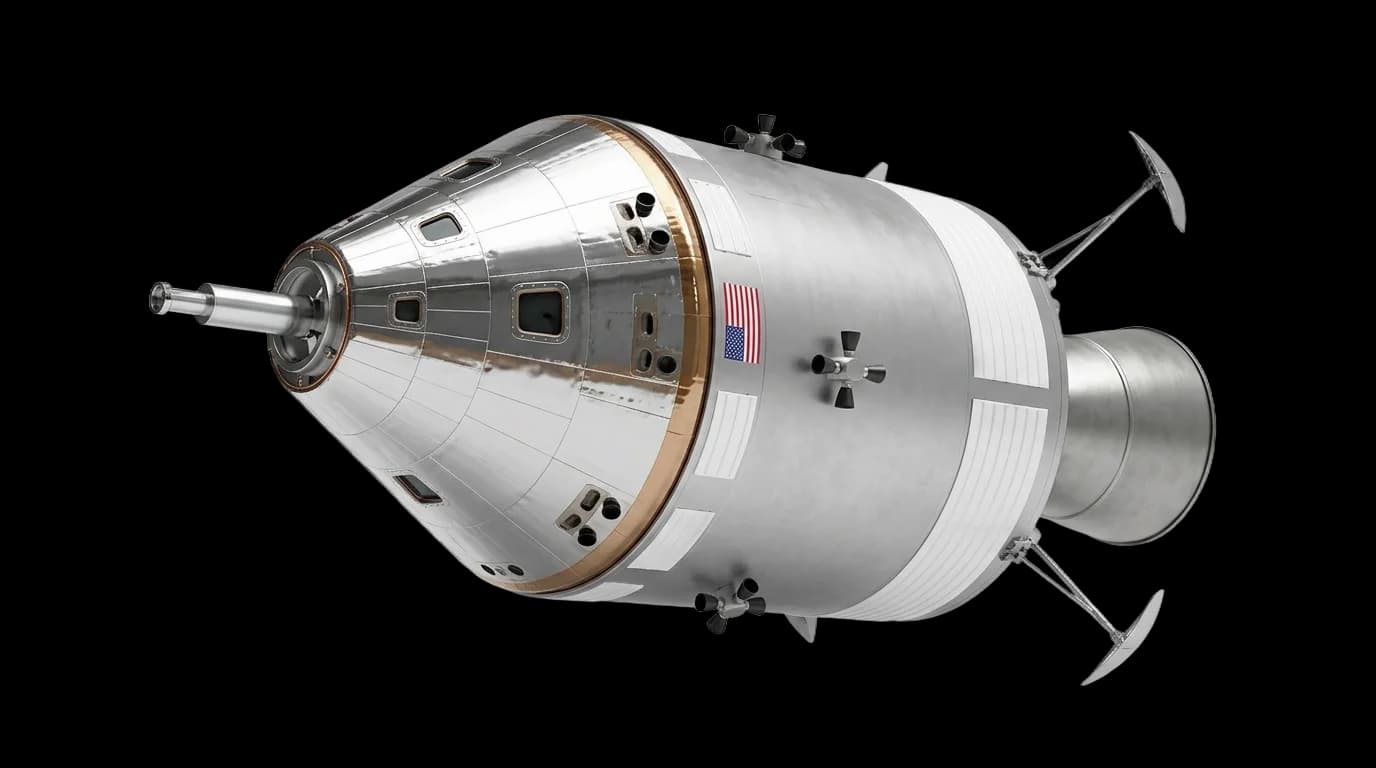
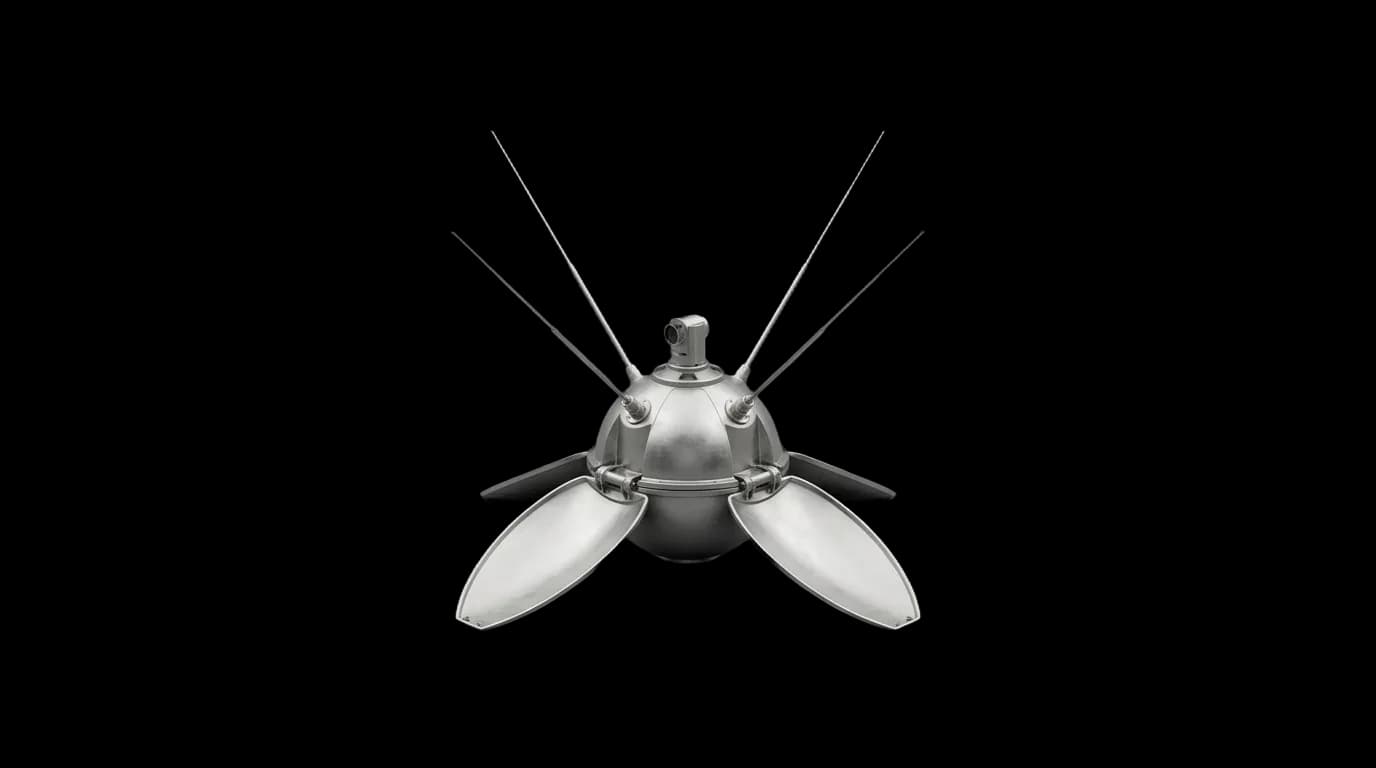
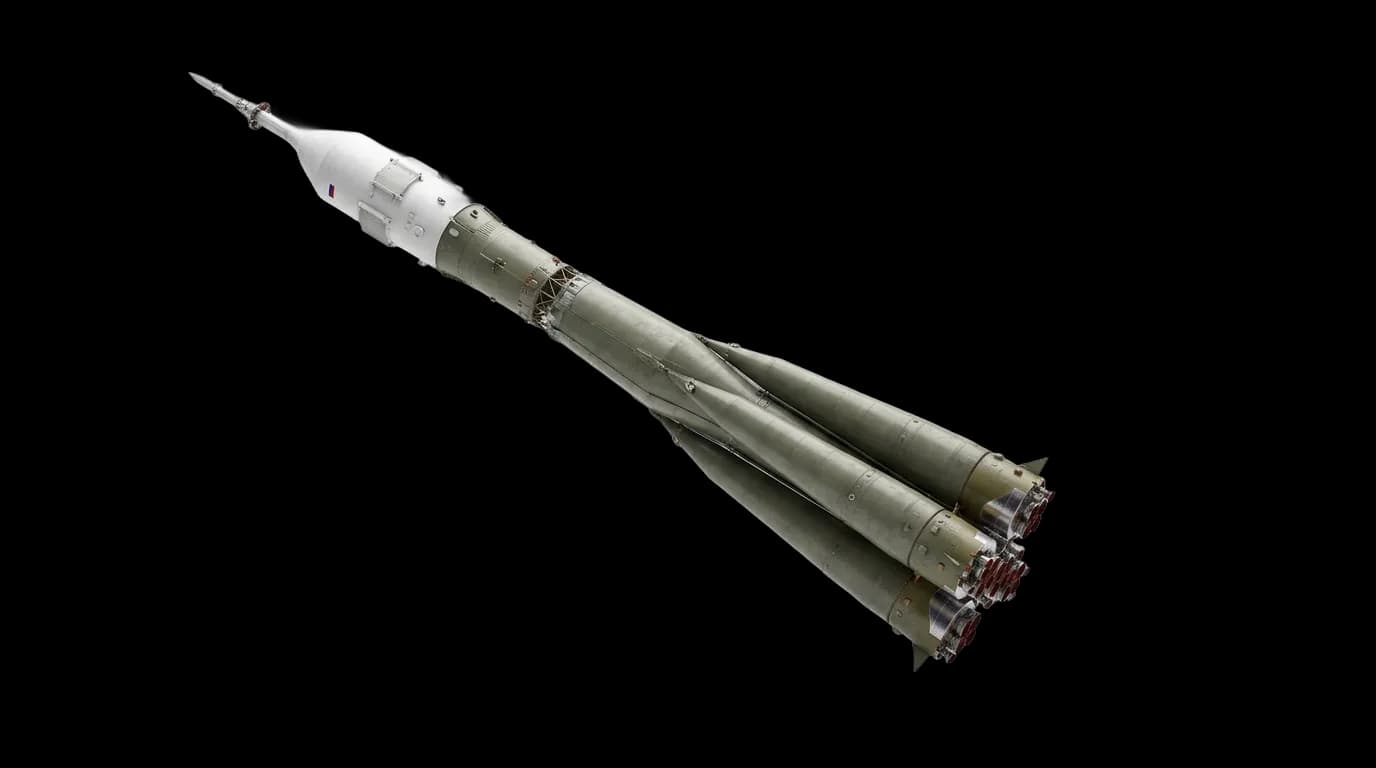
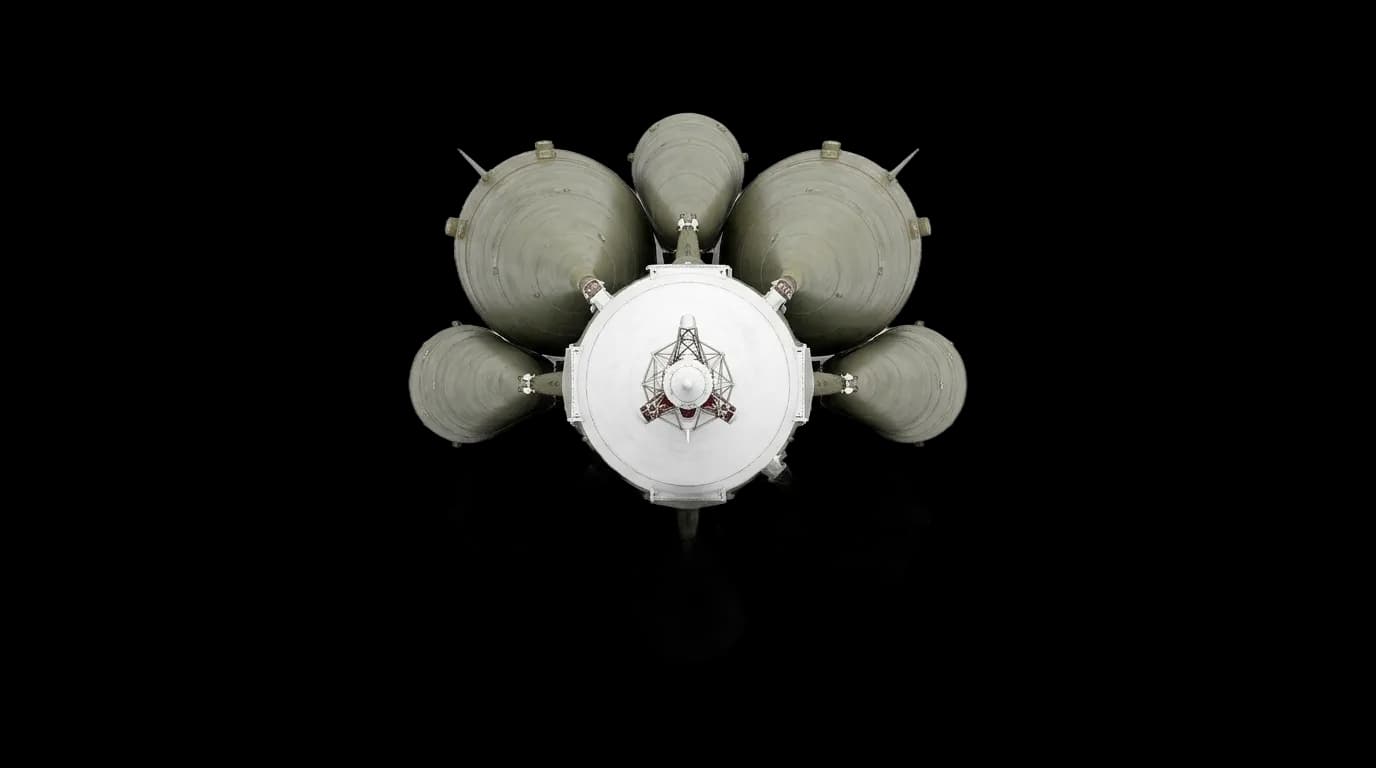
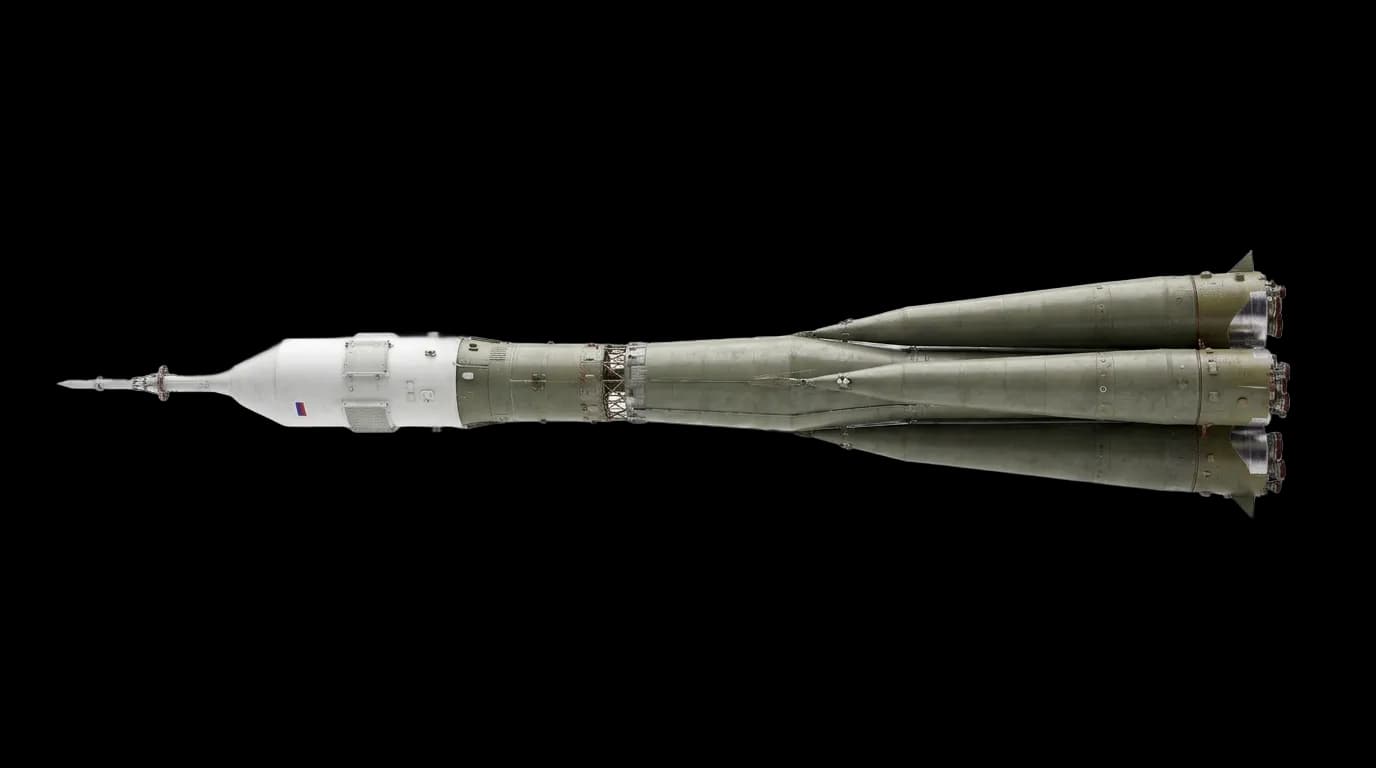
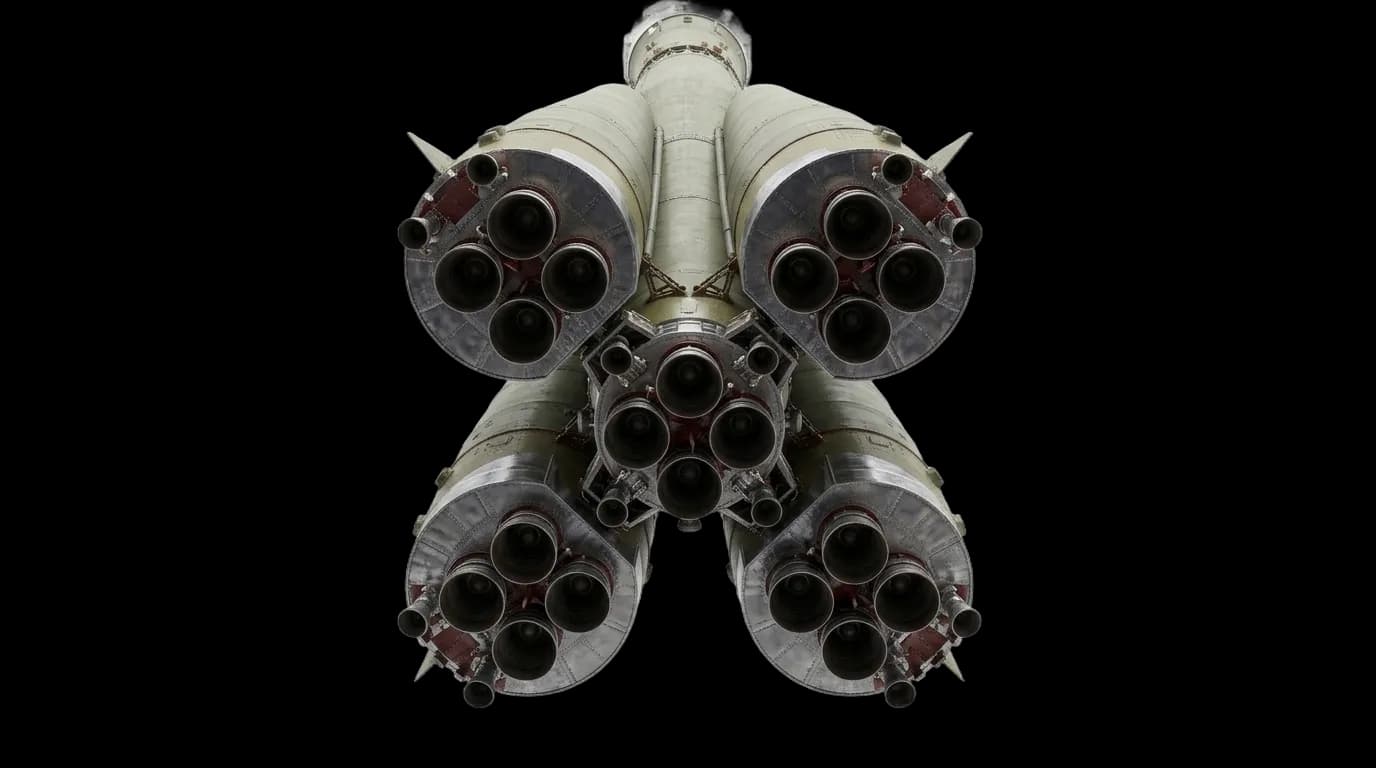
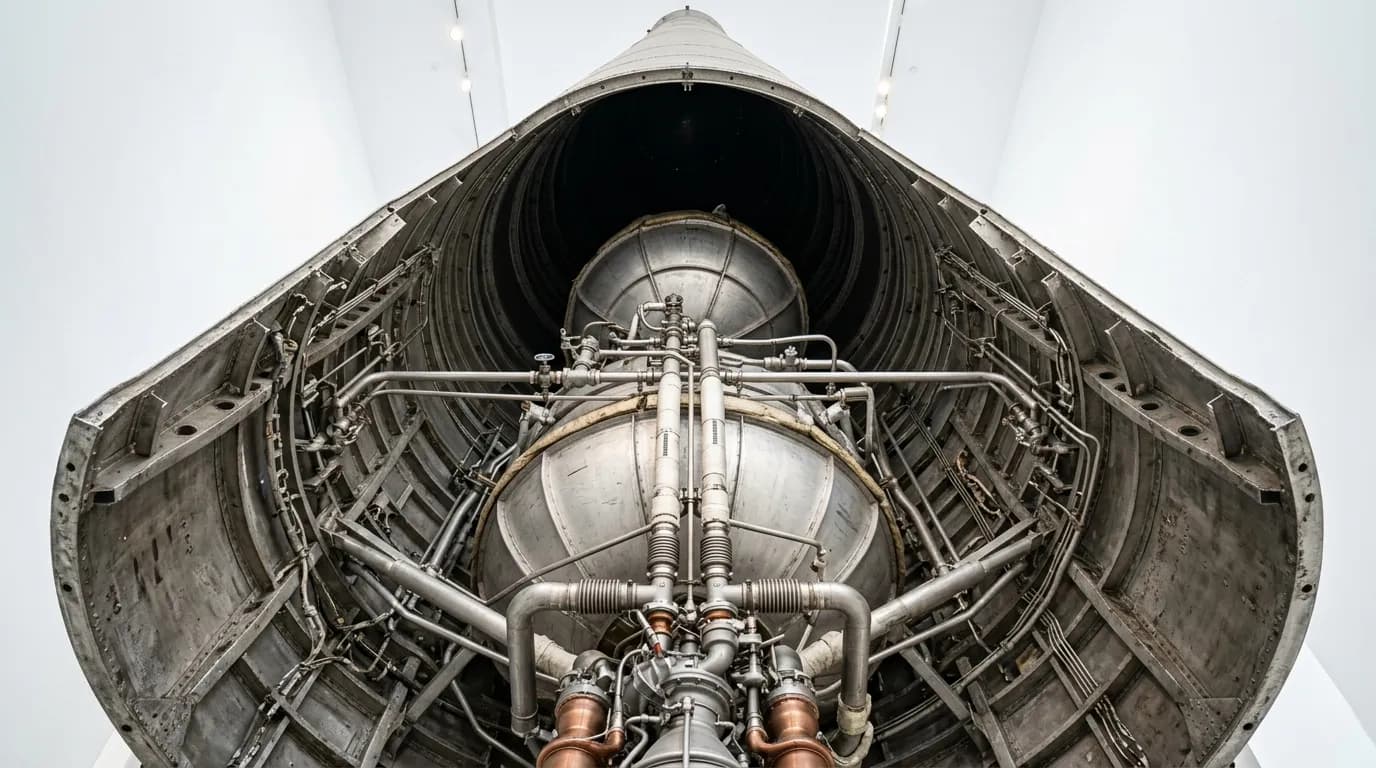
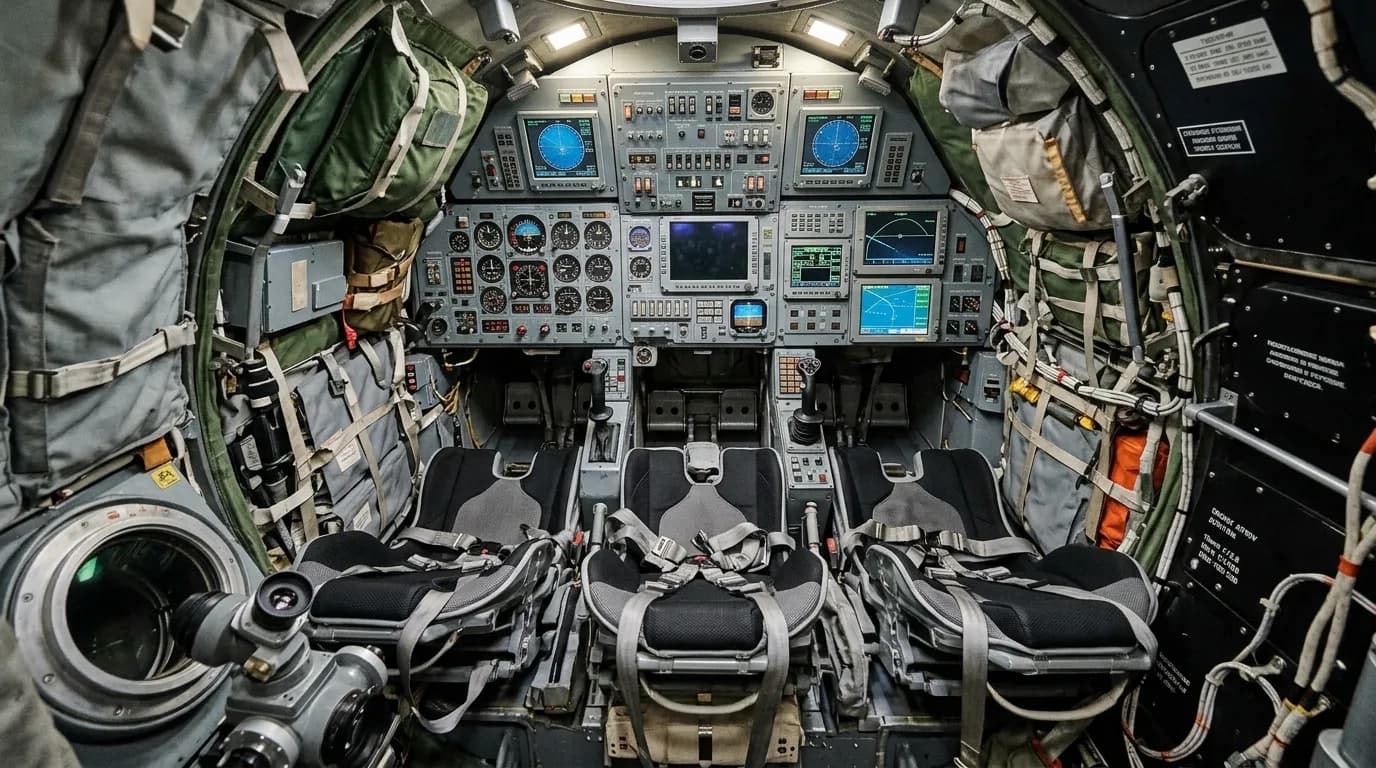
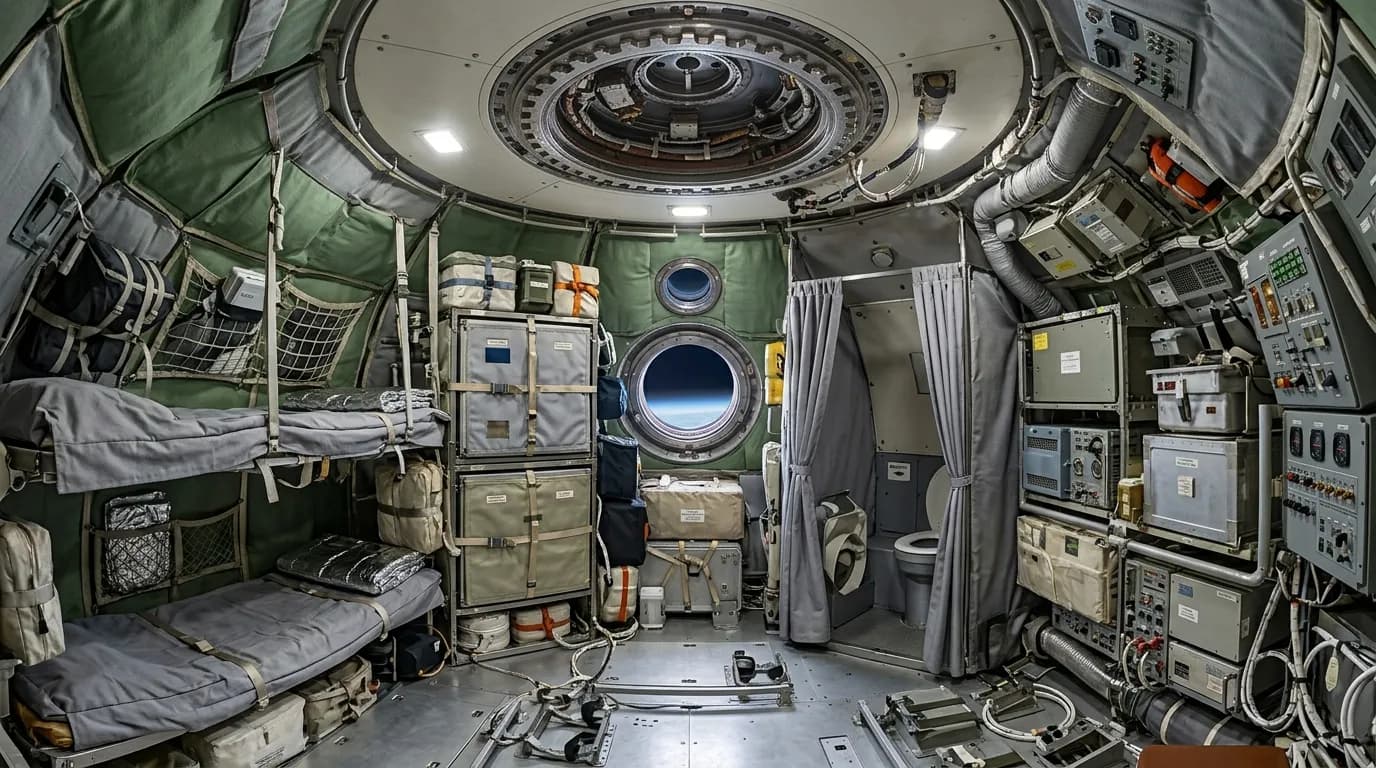
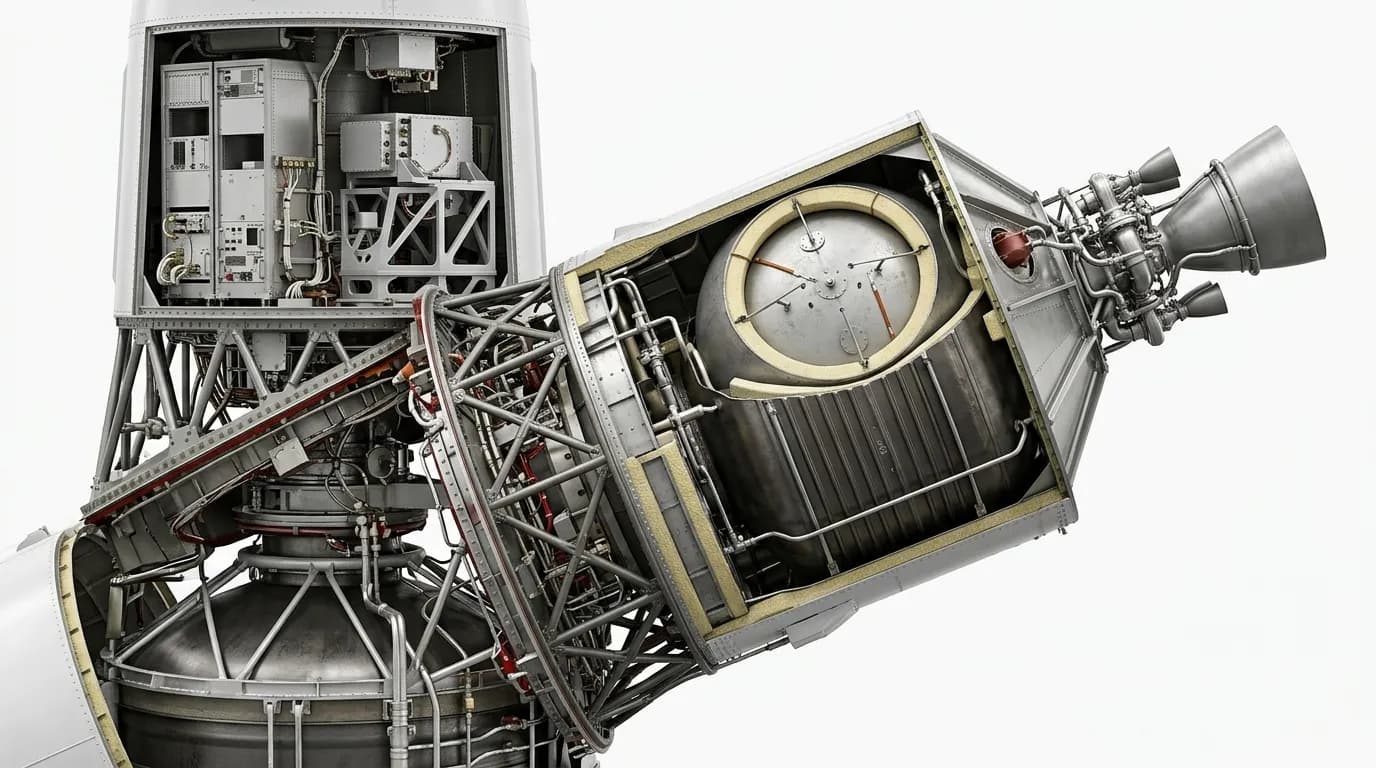
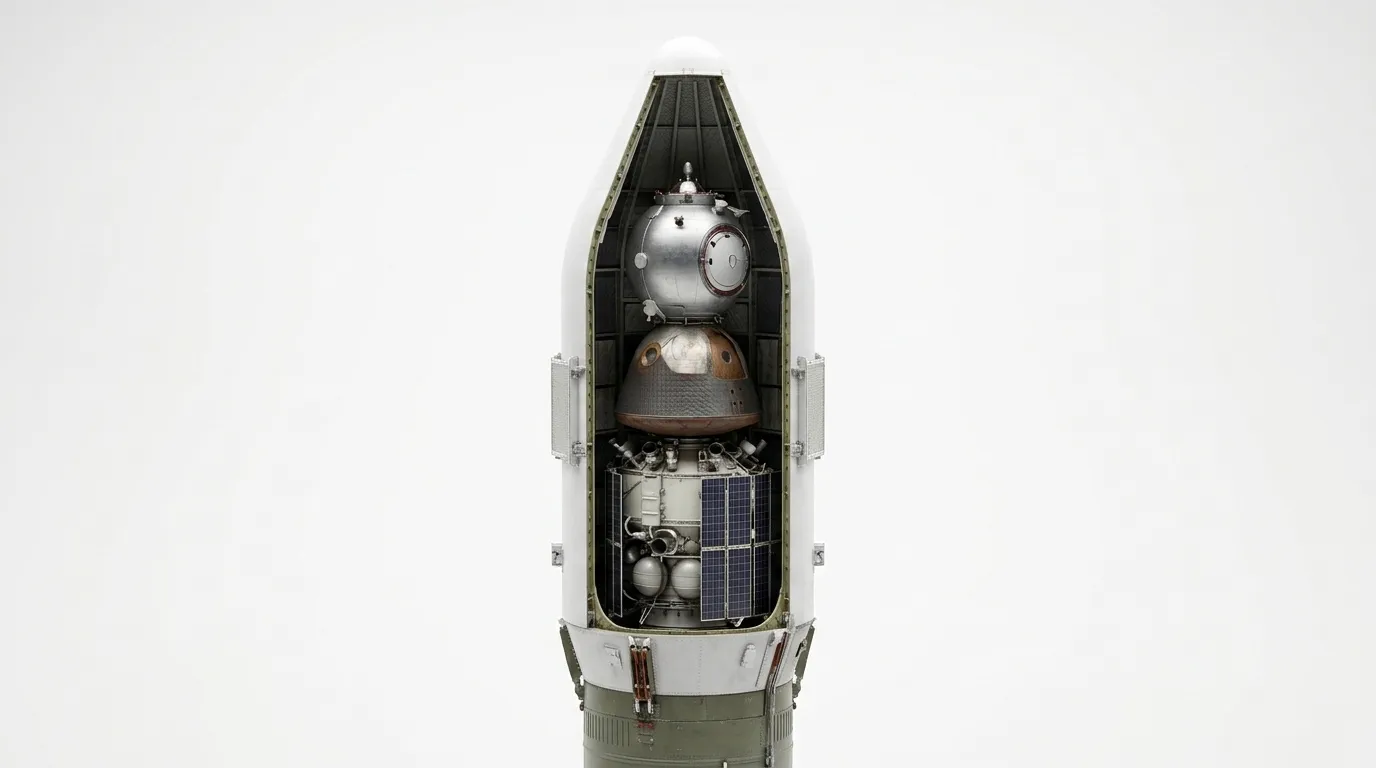
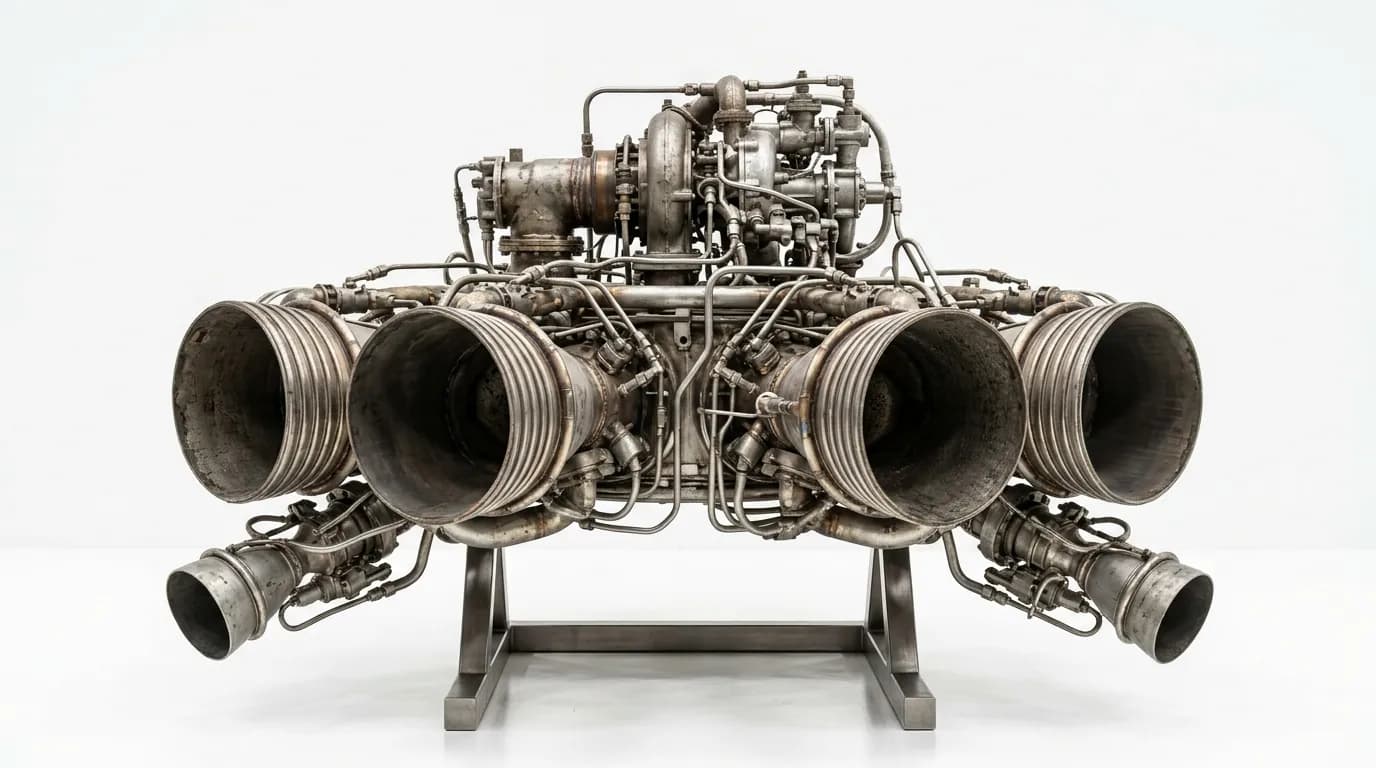
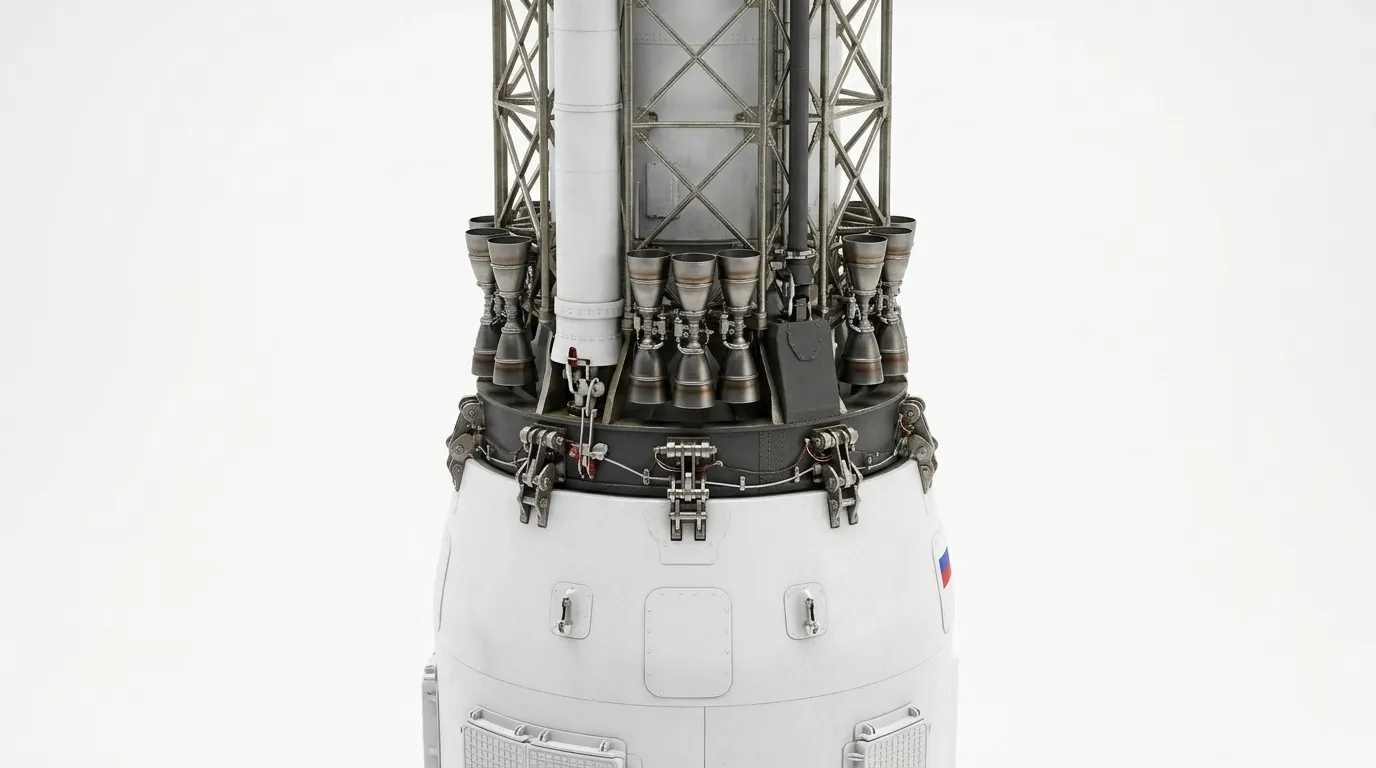
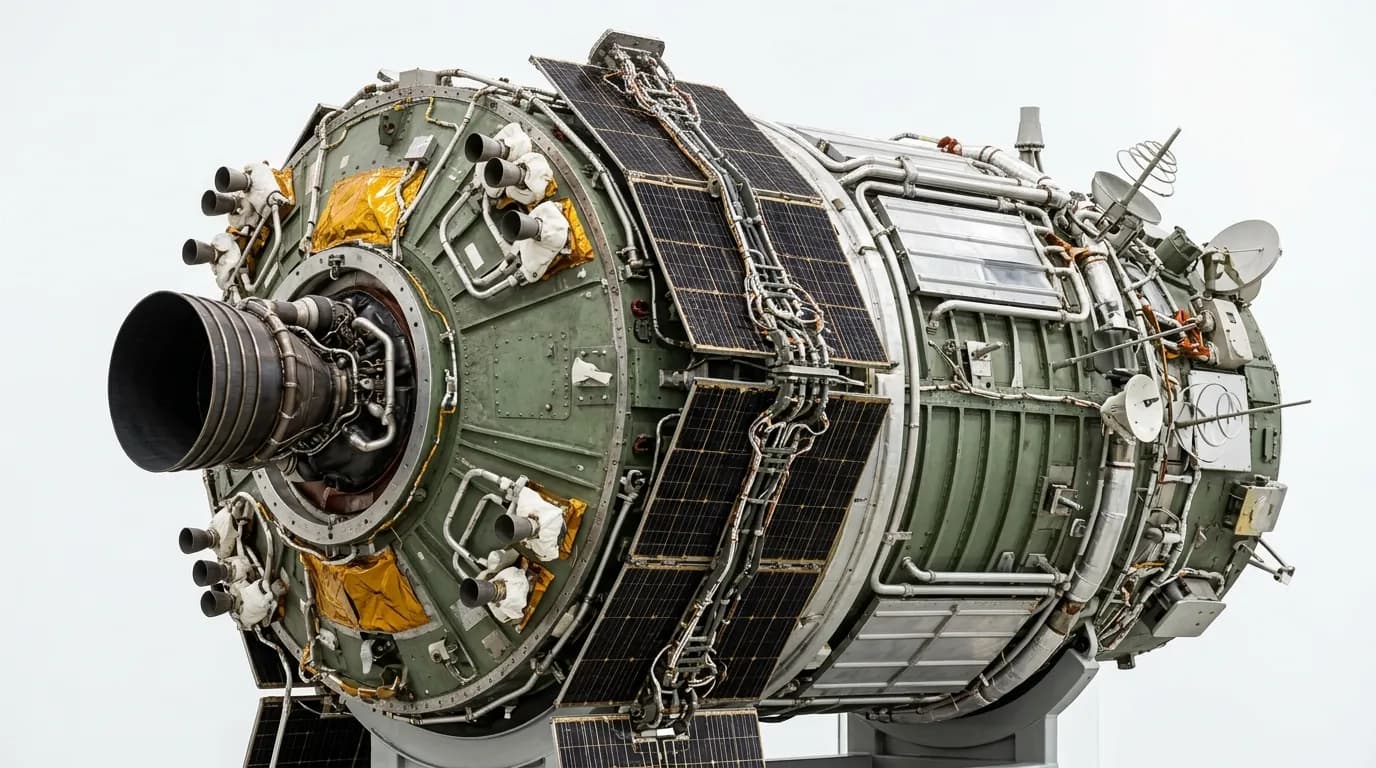
The most-launched rocket family in history with over 1,900 flights. Descended from Korolev''s R-7, the same design that launched Sputnik. For nearly a decade after the Shuttle retired, Soyuz was the only vehicle carrying astronauts to the International Space Station.
History
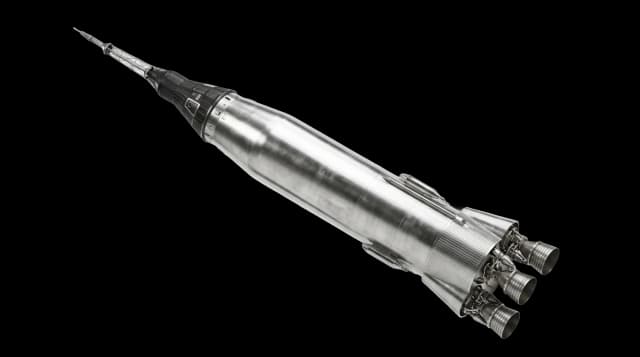
The Soyuz rocket is a direct descendant of the R-7, designed by Sergei Korolev as the Soviet Union''s first intercontinental ballistic missile. The R-7 launched Sputnik in 1957 and Yuri Gagarin in 1961, and its basic design -- a central core surrounded by four tapered boosters -- has been in continuous use for over sixty years.
The Soyuz variant emerged in the mid-1960s as a dedicated space launch vehicle, optimized for carrying the Soyuz crewed spacecraft to orbit. Over the decades, the rocket was progressively upgraded while maintaining its fundamental architecture. The current Soyuz-2 version uses digital flight computers and improved engines, but a pilot from the 1960s would still recognize the vehicle instantly.
After the Space Shuttle''s retirement in 2011, Soyuz became the sole means of transporting crew to the International Space Station, a role it held until SpaceX''s Crew Dragon began flying in 2020. During that period, NASA paid Roscosmos approximately $80 million per seat to fly astronauts on Soyuz -- a testament to both the vehicle''s reliability and the lack of alternatives.
With over 1,900 launches across the entire R-7/Soyuz family, no other rocket design comes close in total missions flown. The vehicle''s longevity is a testament to the soundness of Korolev''s original design and the Russian engineering philosophy of incremental improvement over radical innovation.
Timeline
Launch Heritage
- Most-launched rocket family in history (1,900+ flights)
- ISS crew transport workhorse for two decades
- Launched Gagarin via Vostok variant (1961)
- Launched all Soyuz crewed spacecraft
Technical Specifications
Propulsion
Performance
Dimensions
Mass
Mission
Power & Systems
Source: Roscosmos/RKK Energia
Tags
Designed by Sergei Korolev