Perseverance


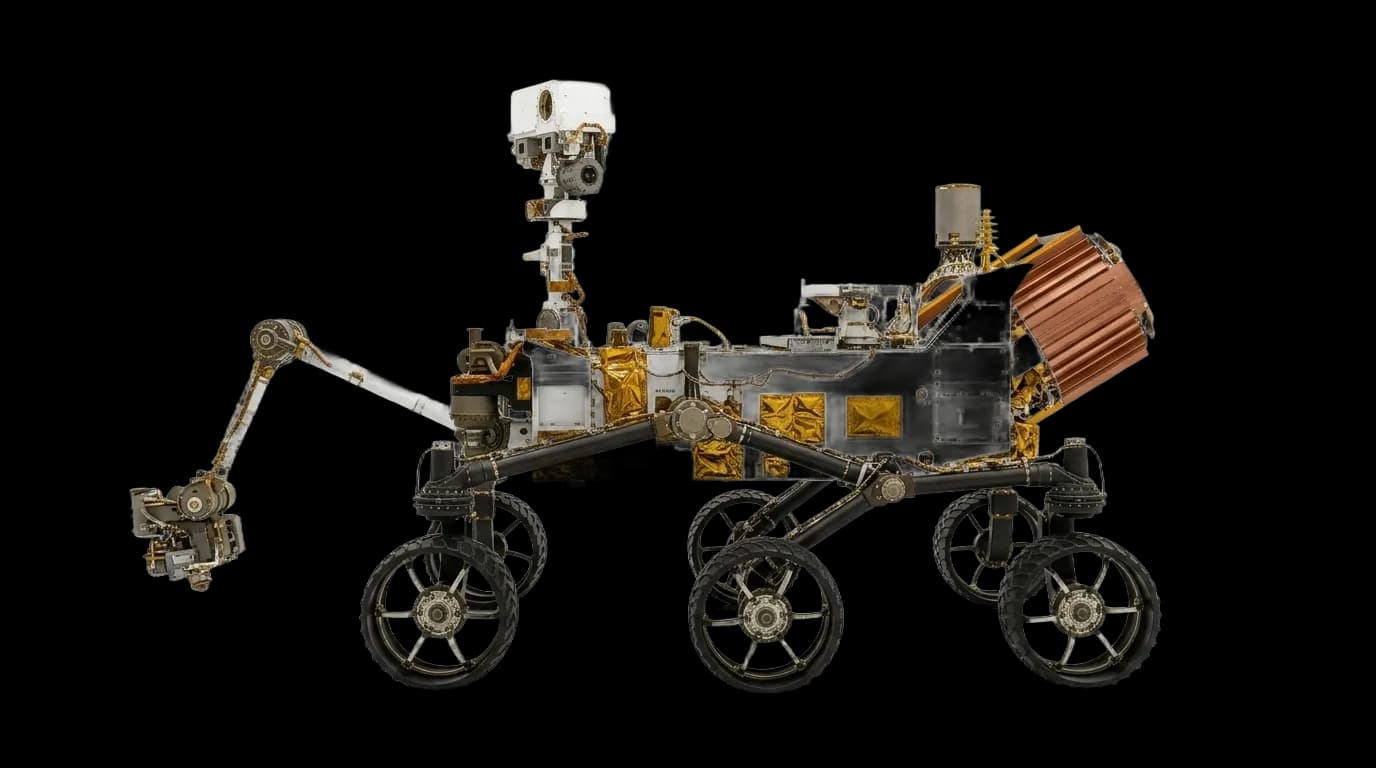
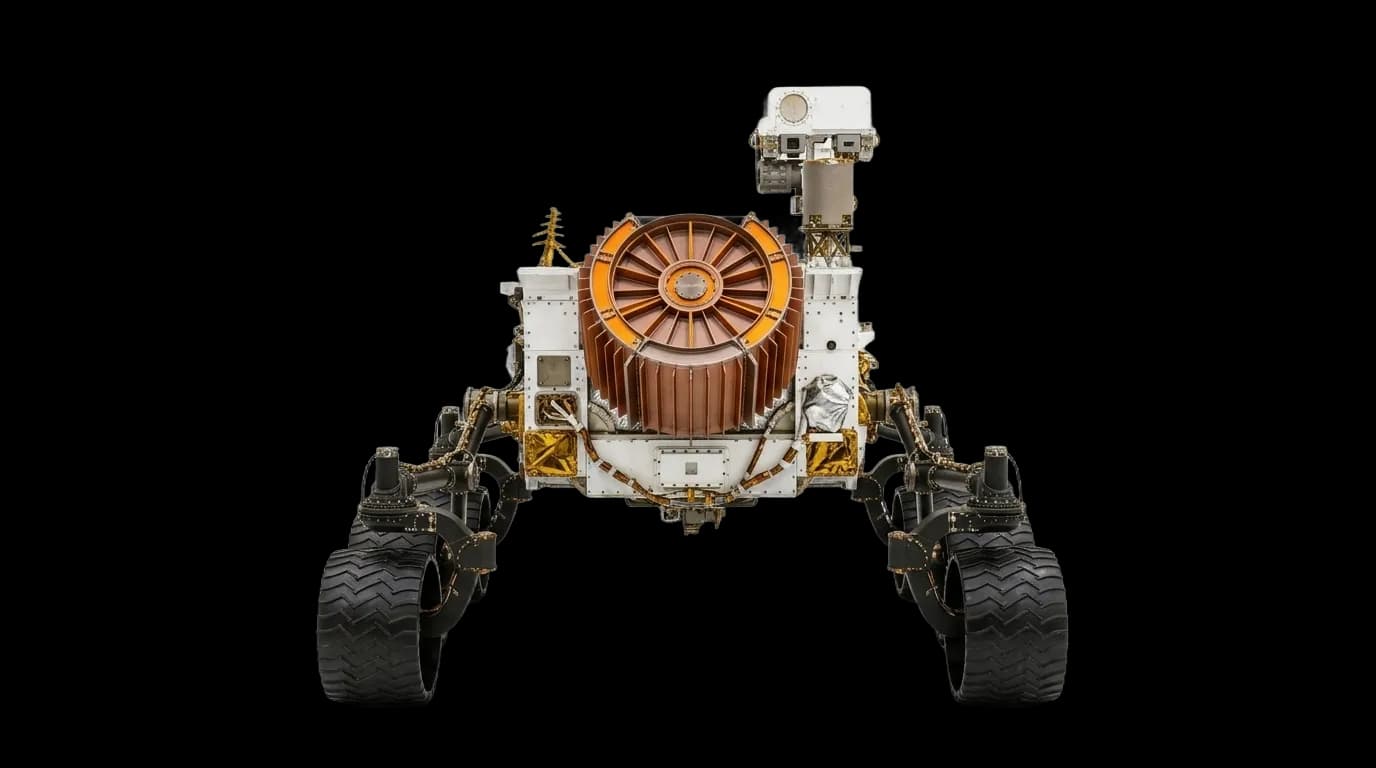




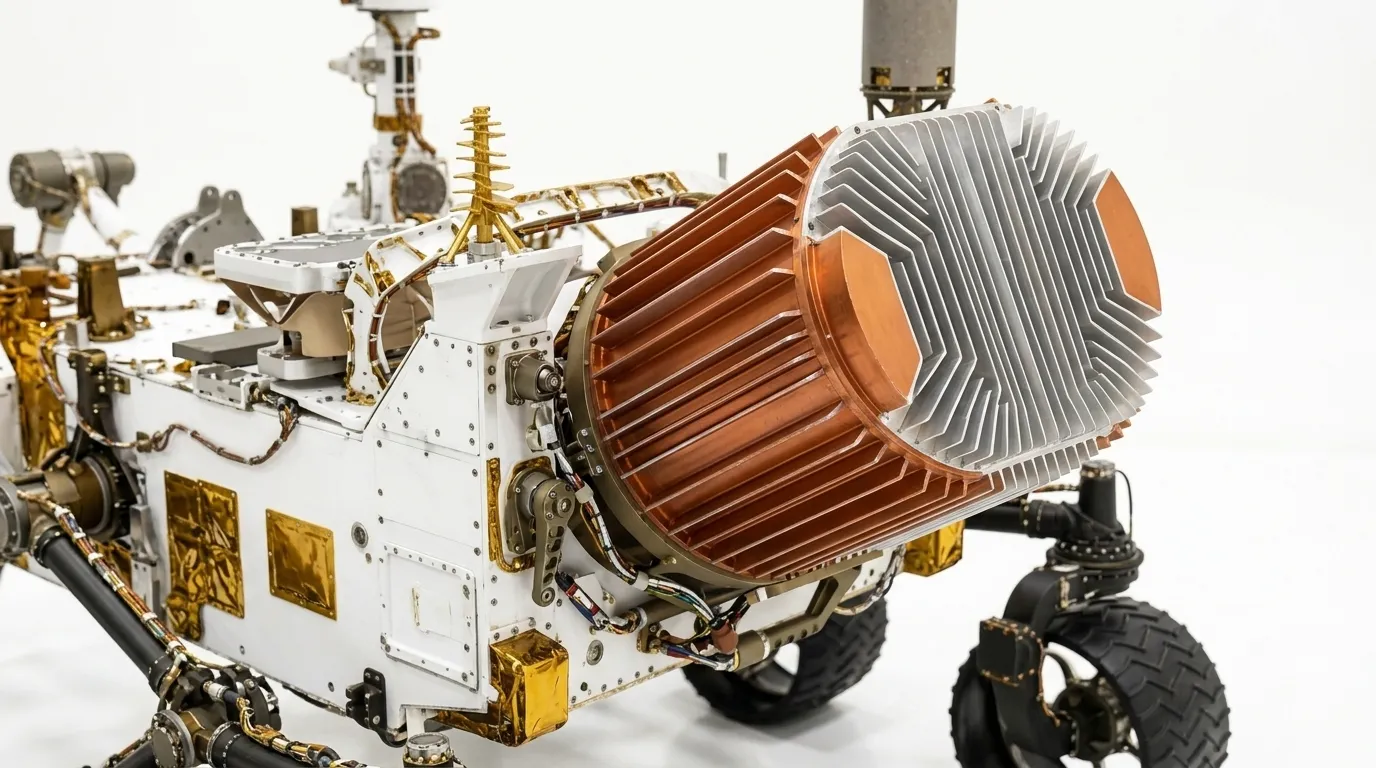
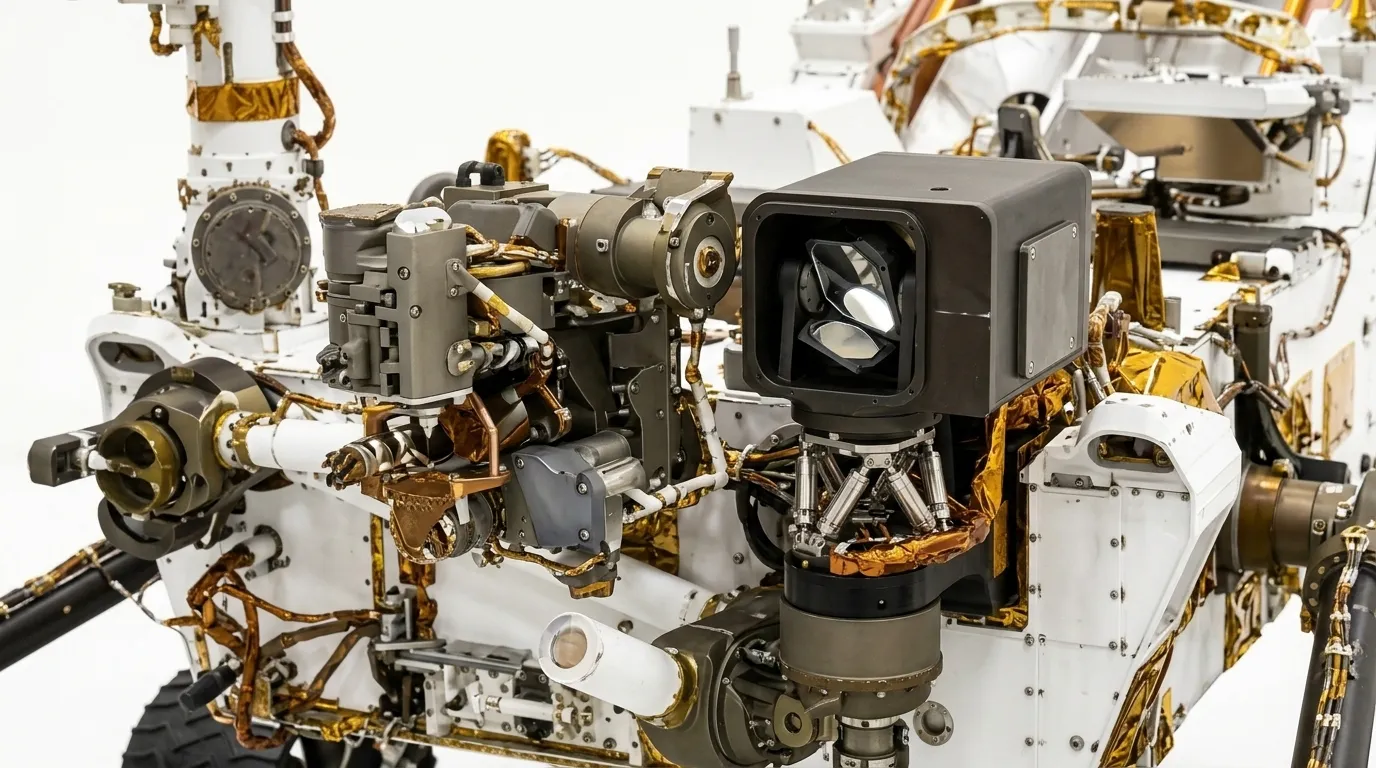
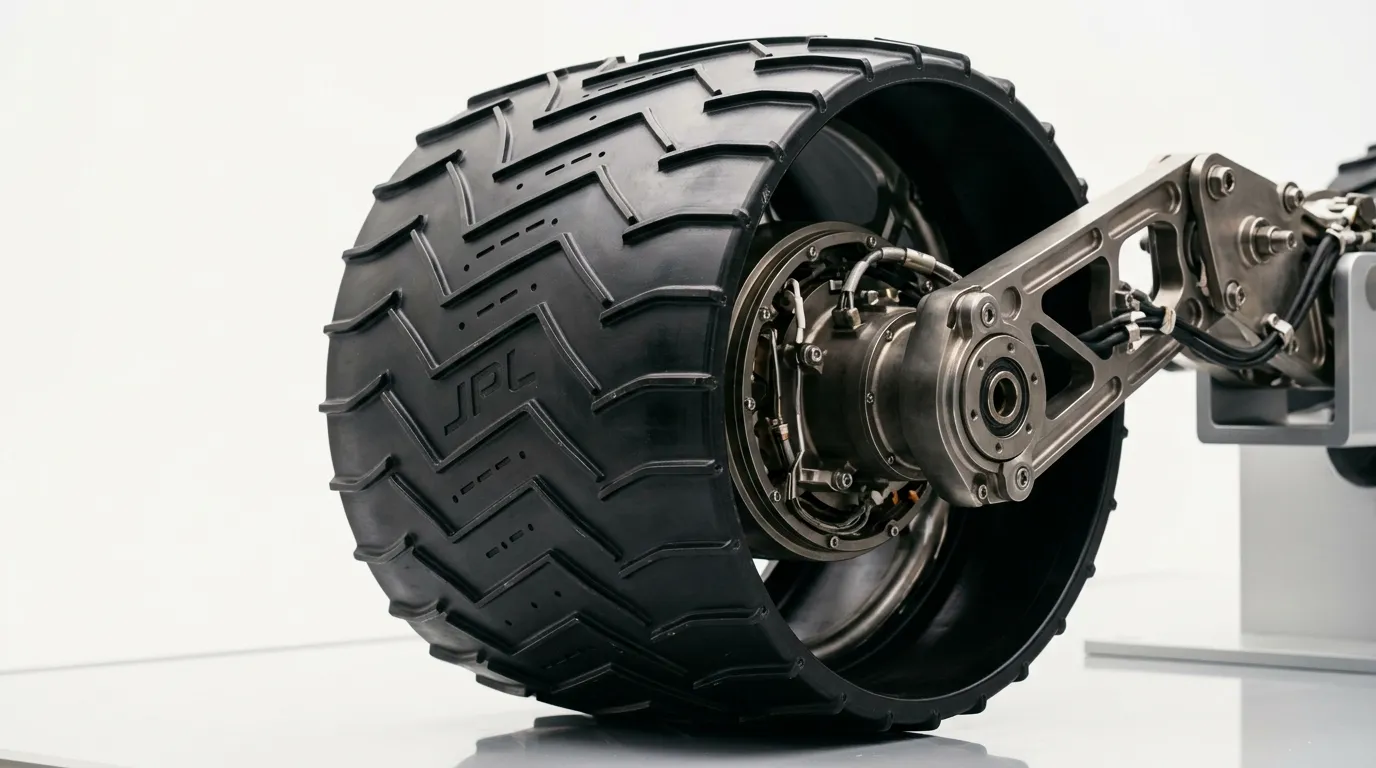
Collecting and caching Mars samples for a future return mission to Earth. Perseverance carried Ingenuity, the first aircraft to achieve powered flight on another planet. The rover is the most advanced mobile laboratory ever sent to another world.
History
Perseverance landed in Jezero Crater on February 18, 2021, at a site selected for its geological evidence of an ancient river delta -- a prime location for preserving biosignatures if microbial life ever existed on Mars. The rover used the same sky crane system proven by Curiosity, enhanced with a Terrain-Relative Navigation system that allowed it to dodge hazards and land with unprecedented precision.
The rover''s most groundbreaking capability is its sample caching system. Perseverance drills cores from carefully selected rocks, seals them in titanium tubes, and deposits them on the Martian surface for a future Mars Sample Return mission to collect and bring to Earth. This would mark the first time samples from another planet have been returned for laboratory analysis -- a goal the scientific community has pursued for decades.
Perseverance also carried Ingenuity, a 4-pound helicopter that was intended as a technology demonstration with five planned flights. Ingenuity vastly exceeded expectations, completing 72 flights over nearly three years, scouting terrain ahead of the rover and demonstrating that powered flight is possible in Mars''s thin atmosphere (roughly 1% of Earth''s surface pressure). The helicopter''s success has led NASA to plan rotorcraft for future Mars missions.
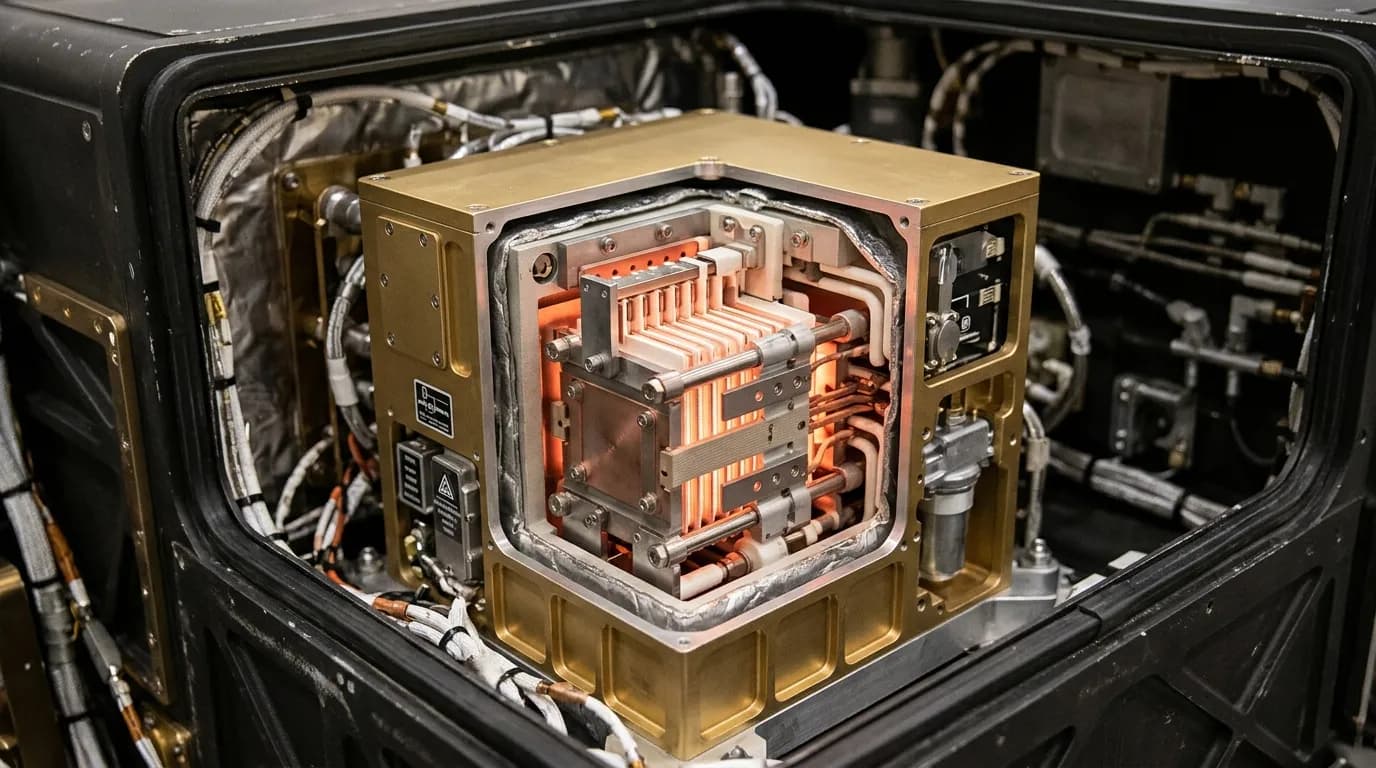
The rover carries an experiment called MOXIE (Mars Oxygen In-Situ Resource Utilization Experiment) that demonstrated the production of oxygen from Mars''s CO2 atmosphere -- a technology critical for future human missions that will need to manufacture breathable air and rocket propellant from local resources.
Timeline
Launch Heritage
- Jezero Crater landing
- Ingenuity helicopter deployment
- MOXIE oxygen experiment
- Sample caching for return
Technical Specifications
Performance
Dimensions
Mass
Mission
Power & Systems
Source: NASA/JPL
Tags
Designed by NASA/JPL