Falcon Heavy

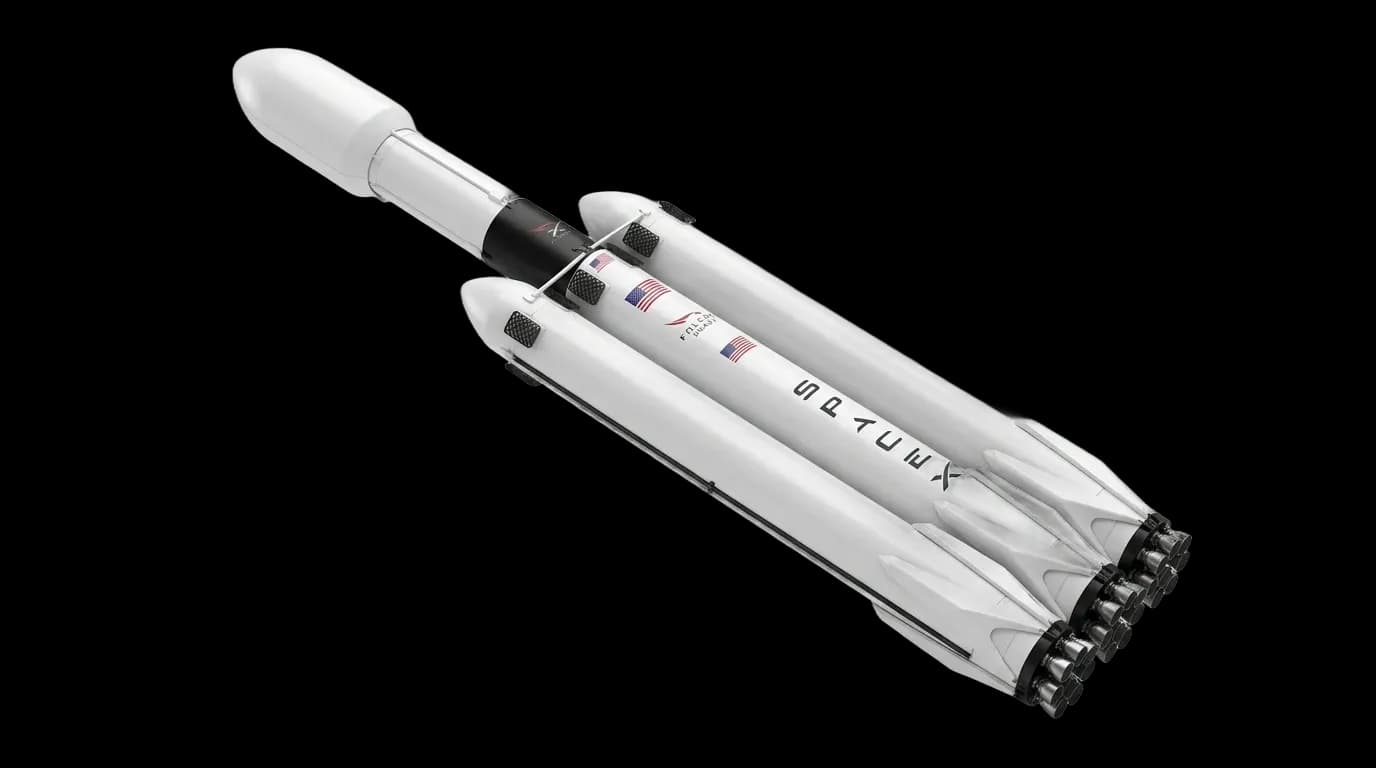
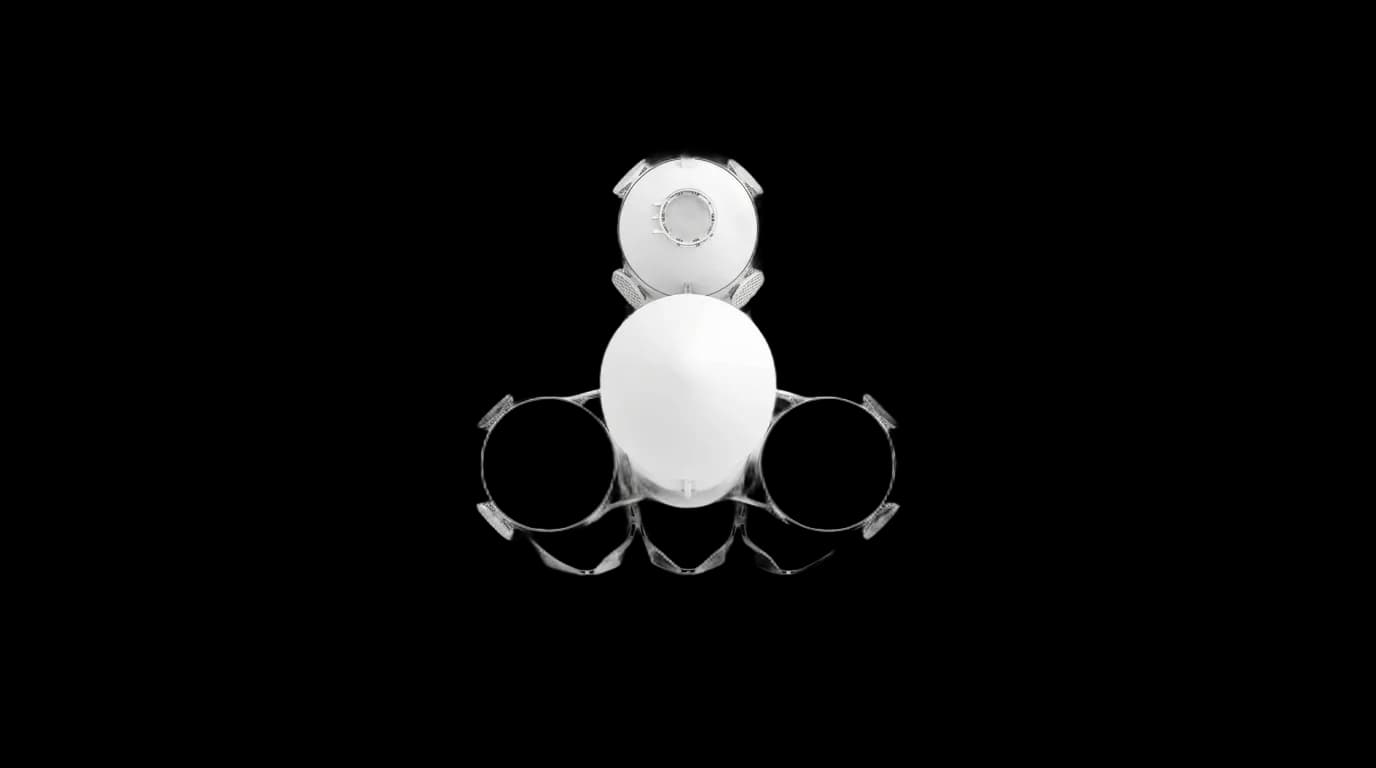
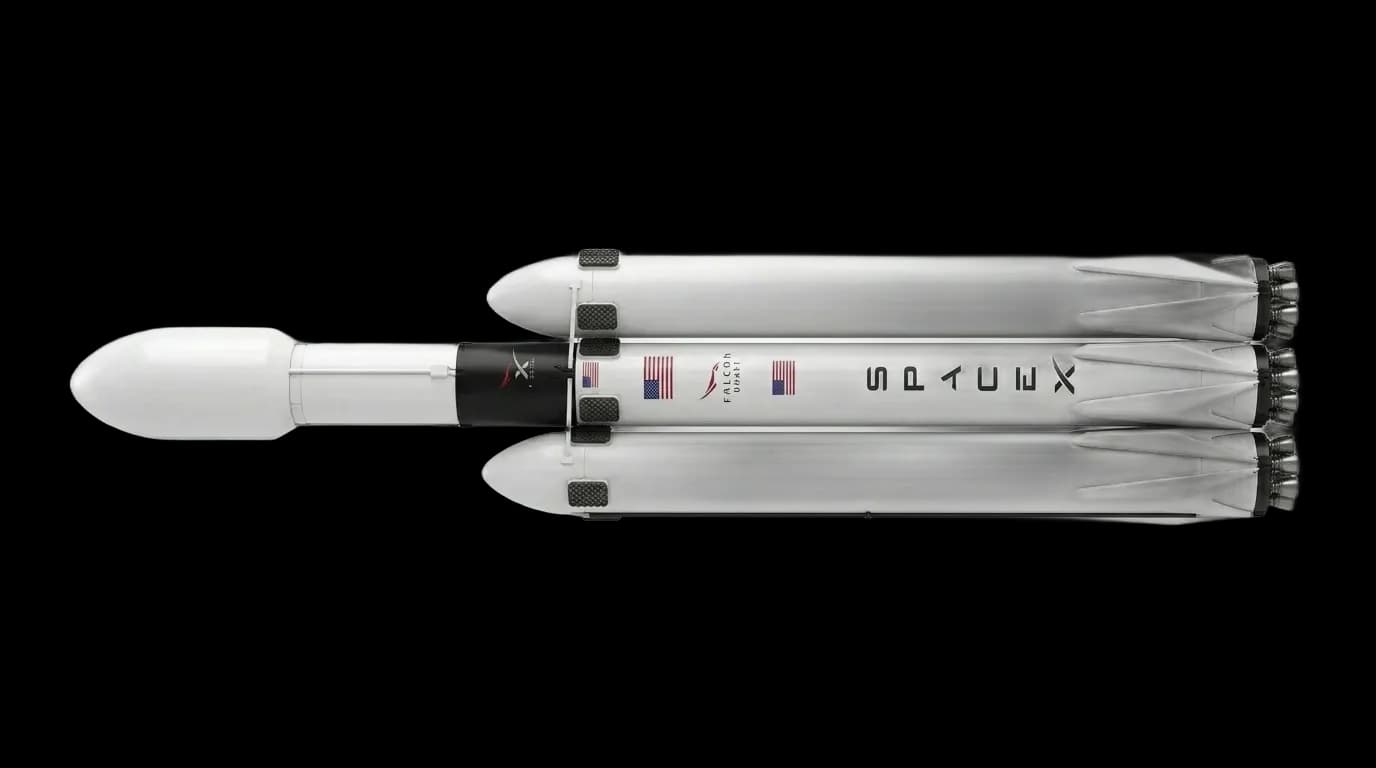
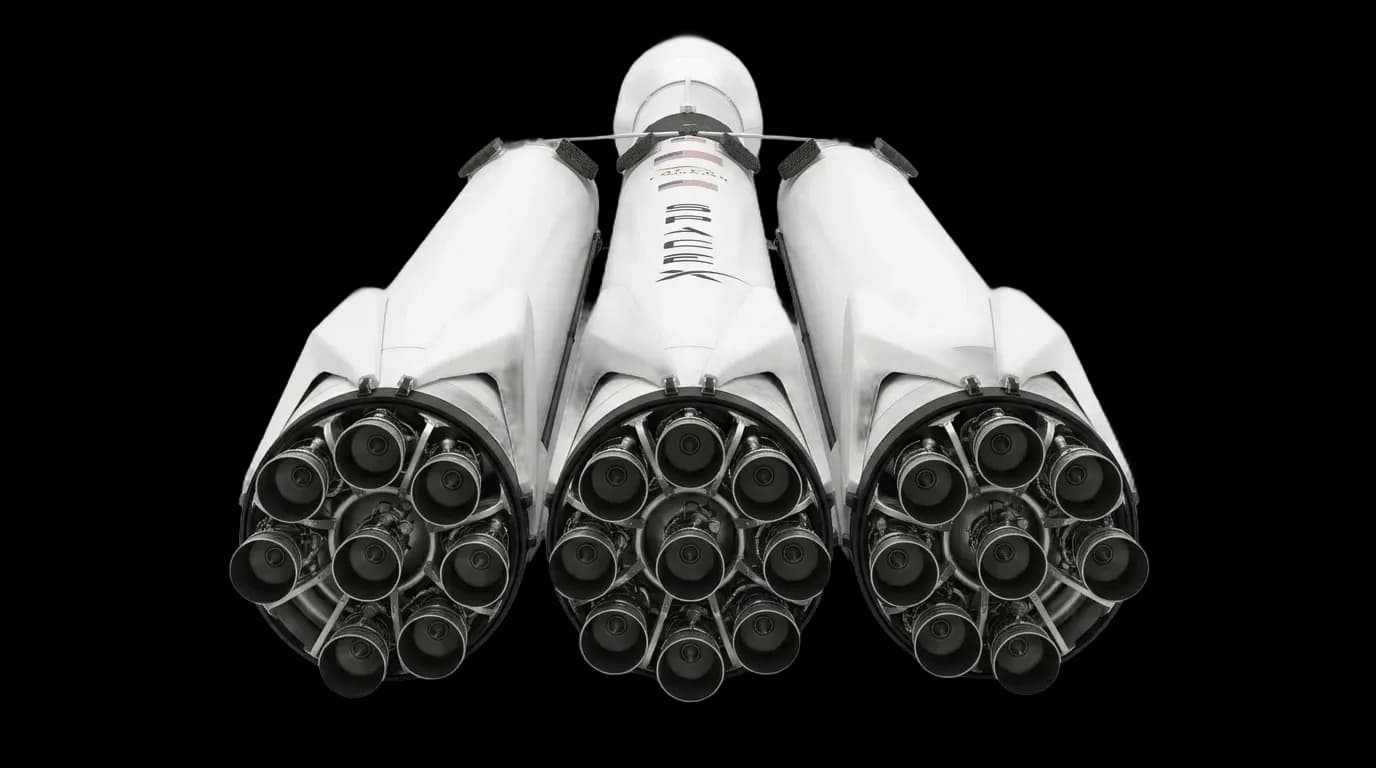
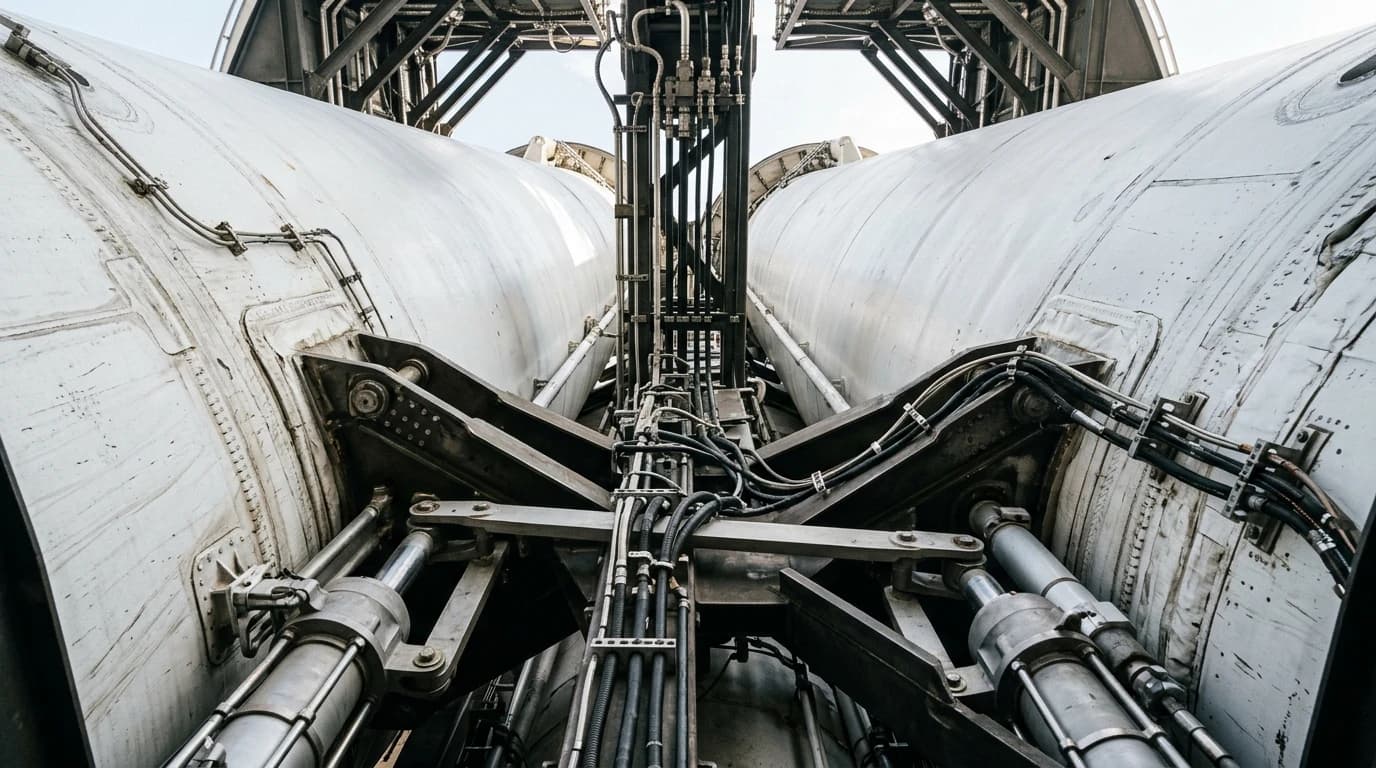
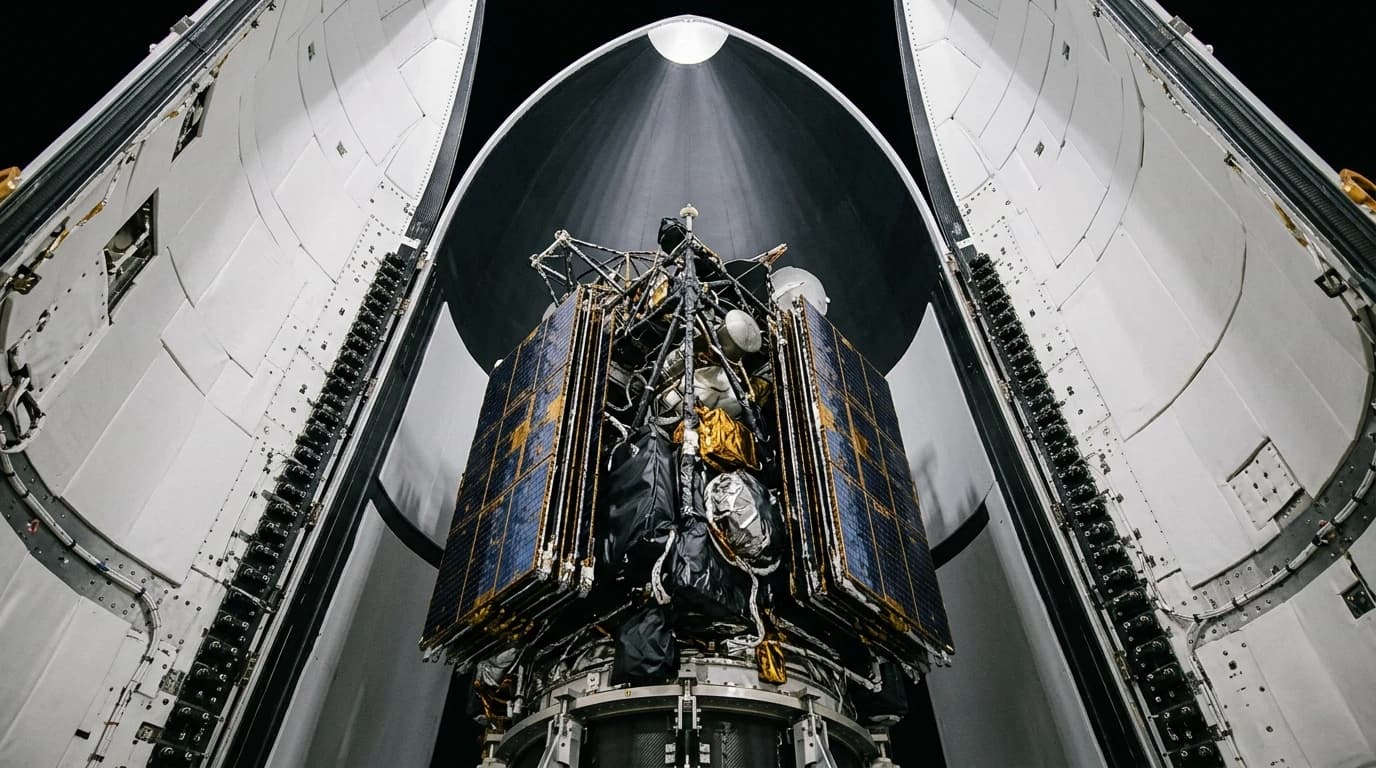
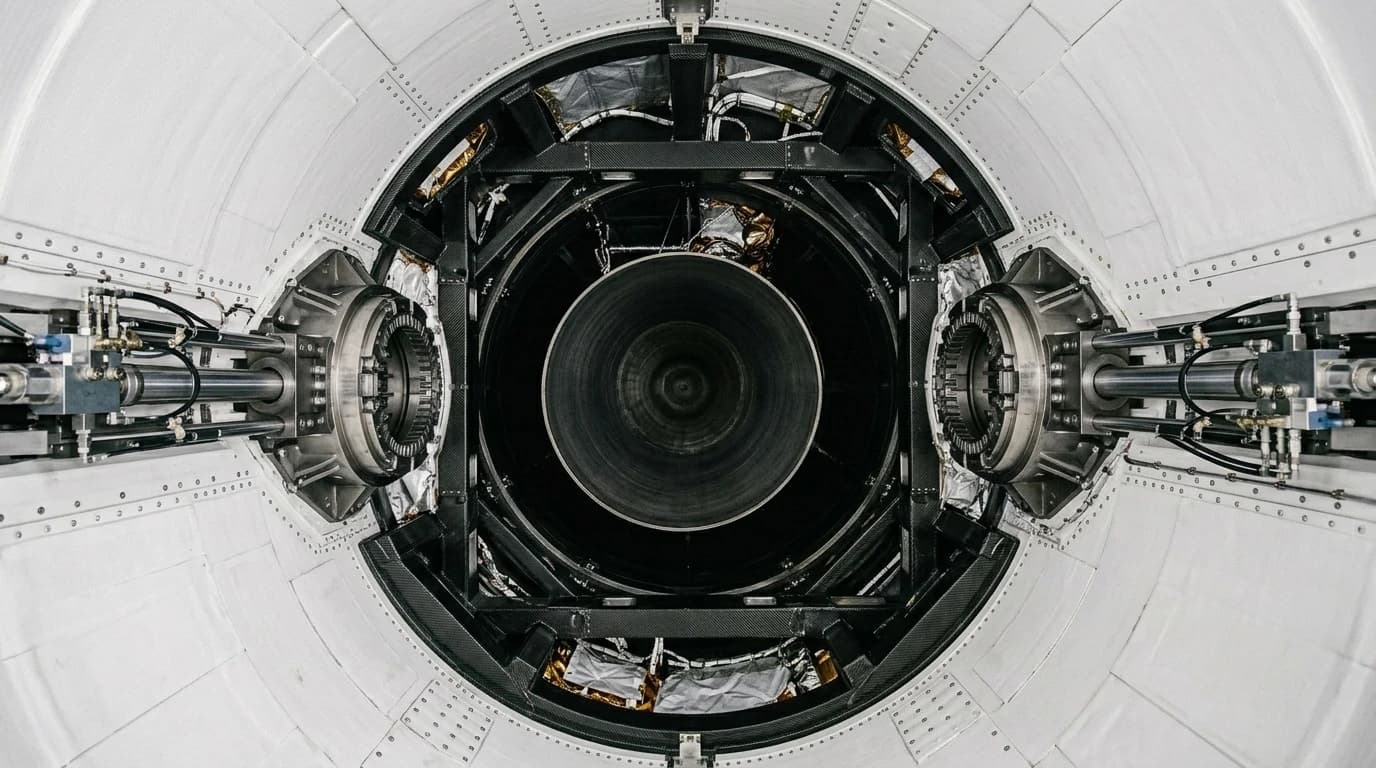
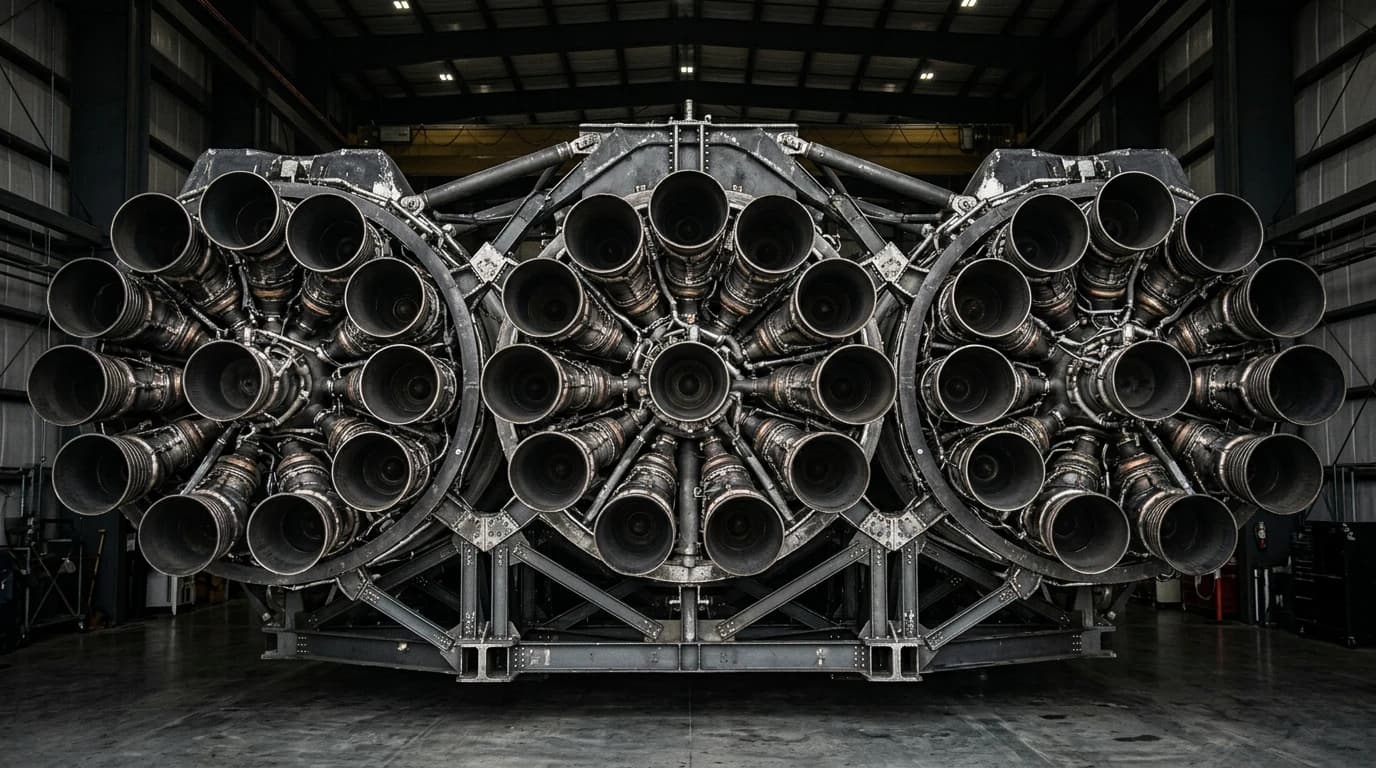
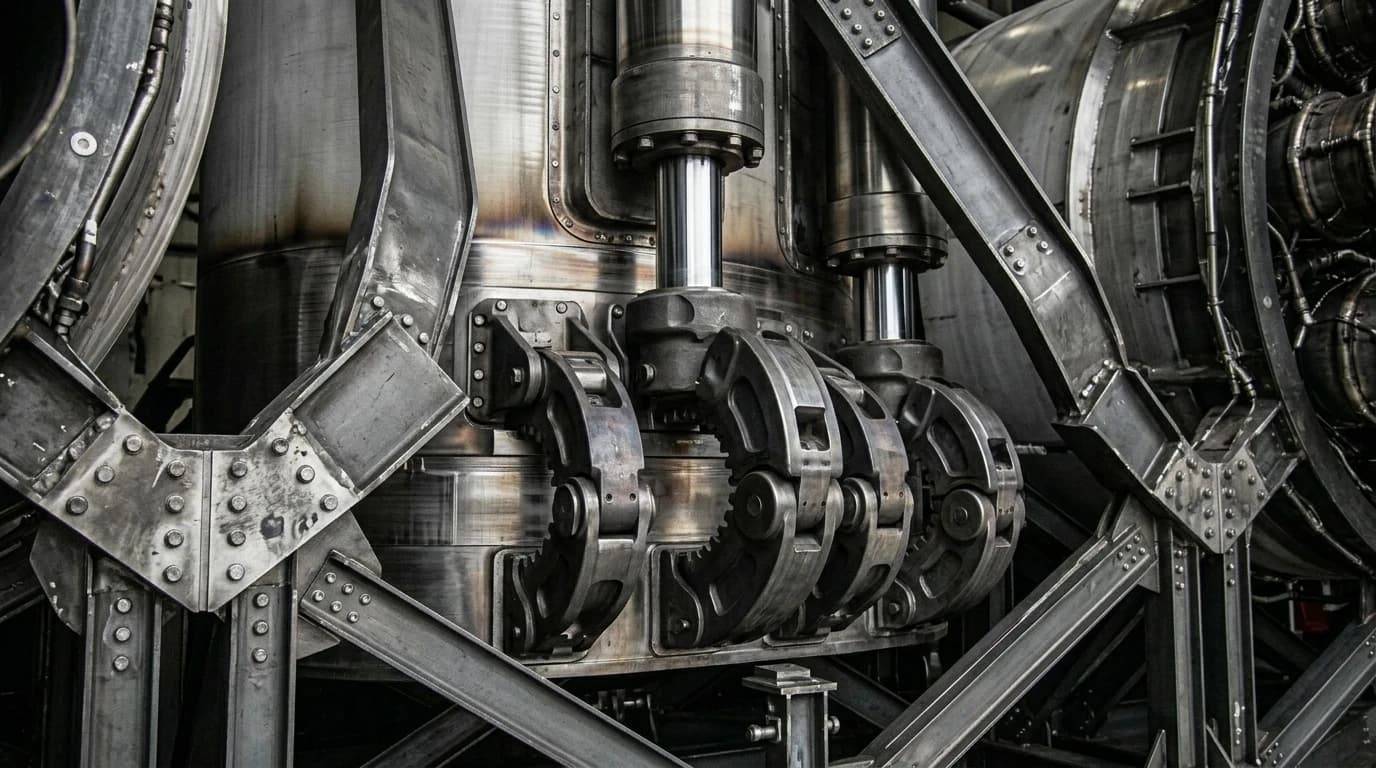
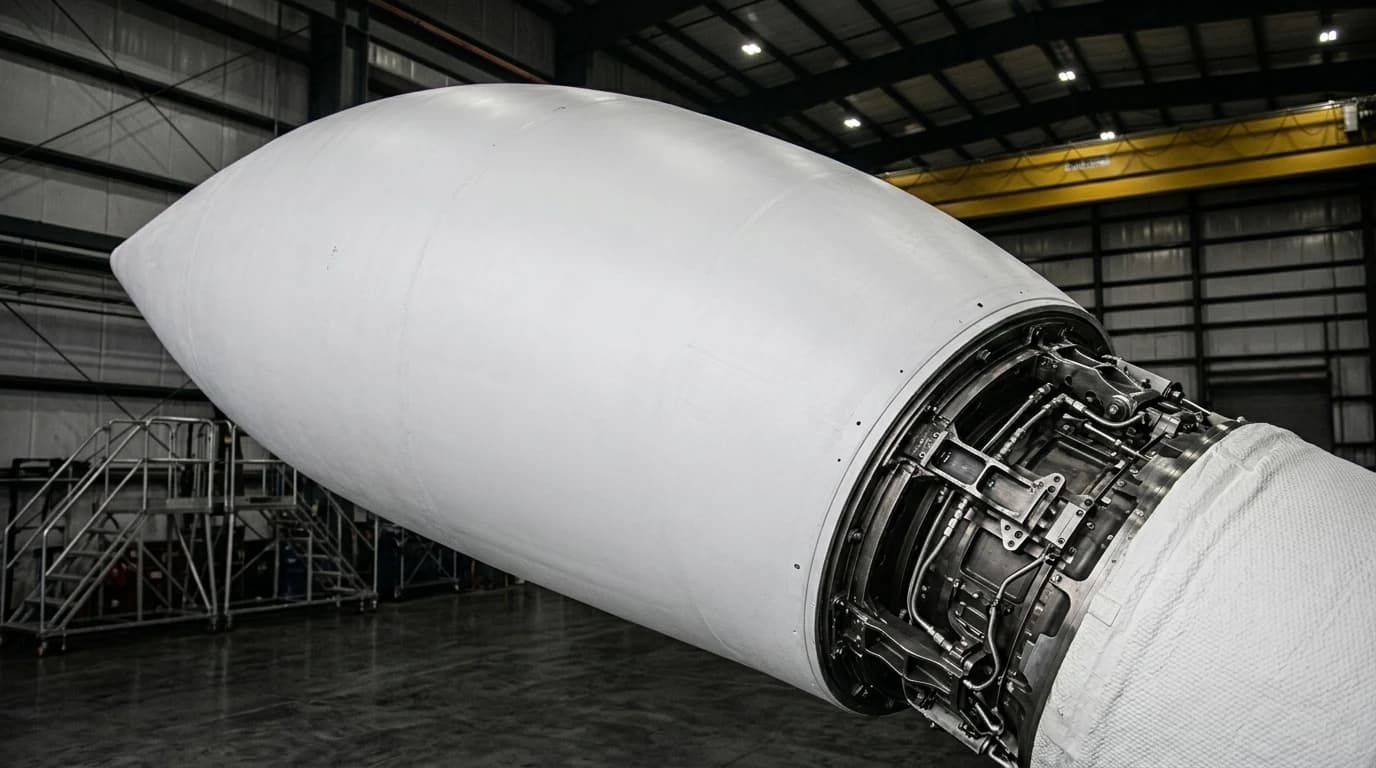
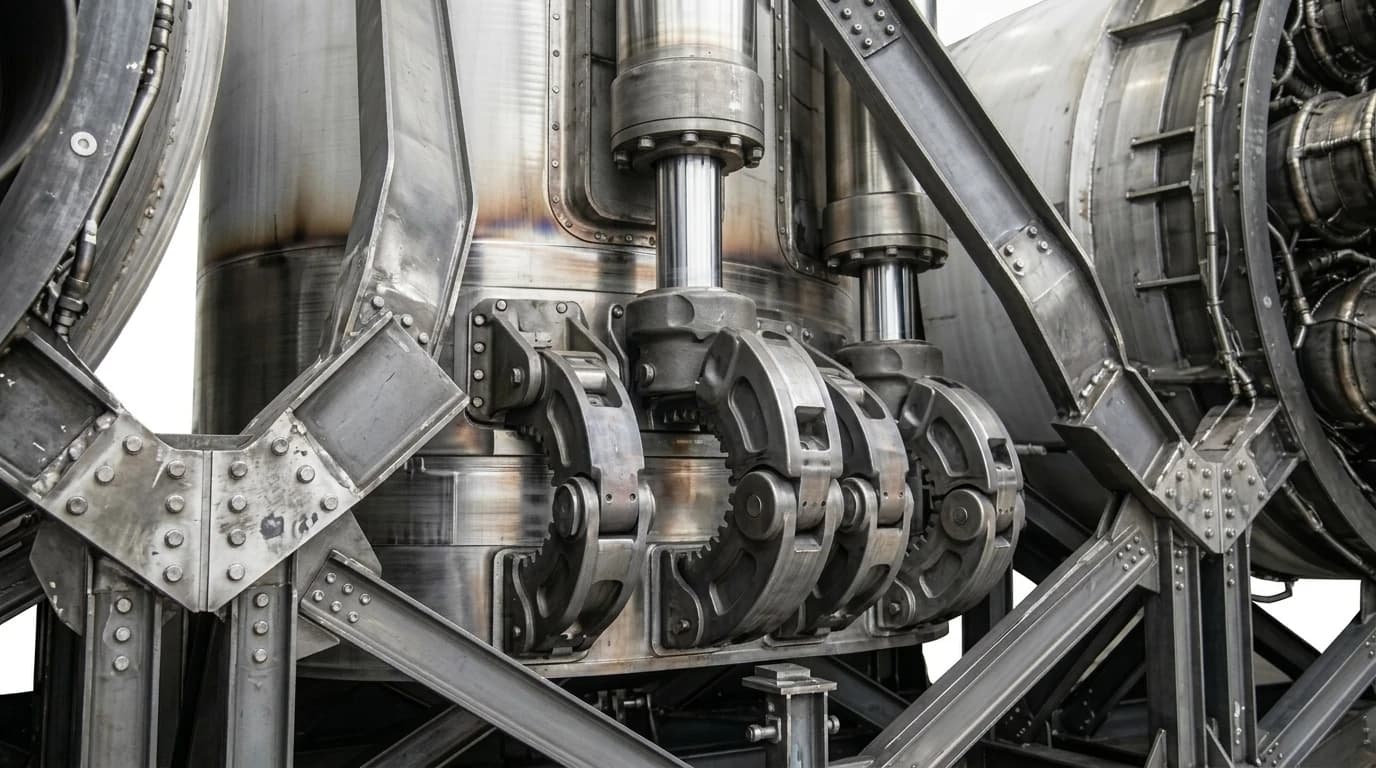
The most powerful operational rocket at its debut in 2018. Three Falcon 9 cores strapped together, producing 5.1 million pounds of thrust. Its maiden flight launched Elon Musk''s Tesla Roadster into a heliocentric orbit past Mars.
History
Falcon Heavy was first announced in 2011 but took seven years to reach the launch pad. Elon Musk repeatedly acknowledged that strapping three Falcon 9 cores together was far more complex than simply tripling the hardware. The aerodynamic forces, vibration coupling, and separation dynamics of a triple-core vehicle required extensive analysis and testing.
The maiden flight on February 6, 2018, became one of the most watched rocket launches in history. The payload was Musk''s personal Tesla Roadster with a mannequin named Starman at the wheel, playing David Bowie''s Space Oddity on loop. Two of the three boosters landed simultaneously at Cape Canaveral in a synchronized spectacle that produced one of the most iconic images in spaceflight history. The center core missed the drone ship and was destroyed on impact.
Falcon Heavy can deliver 141,000 pounds to low Earth orbit, more than twice the capacity of any other operational rocket at the time of its debut. It has since launched high-energy missions including the Psyche asteroid mission, the Europa Clipper, classified payloads for the US Space Force, and commercial communications satellites to high orbits that were previously exclusive to expendable rockets like Delta IV Heavy.
Timeline
Launch Heritage
- Tesla Roadster
- Arabsat-6A
- USSF-44
- Psyche
Technical Specifications
Propulsion
Performance
Dimensions
Mass
Mission
Power & Systems
Source: SpaceX
Tags
Designed by Tom Mueller / Elon Musk