Tiangong Space Station
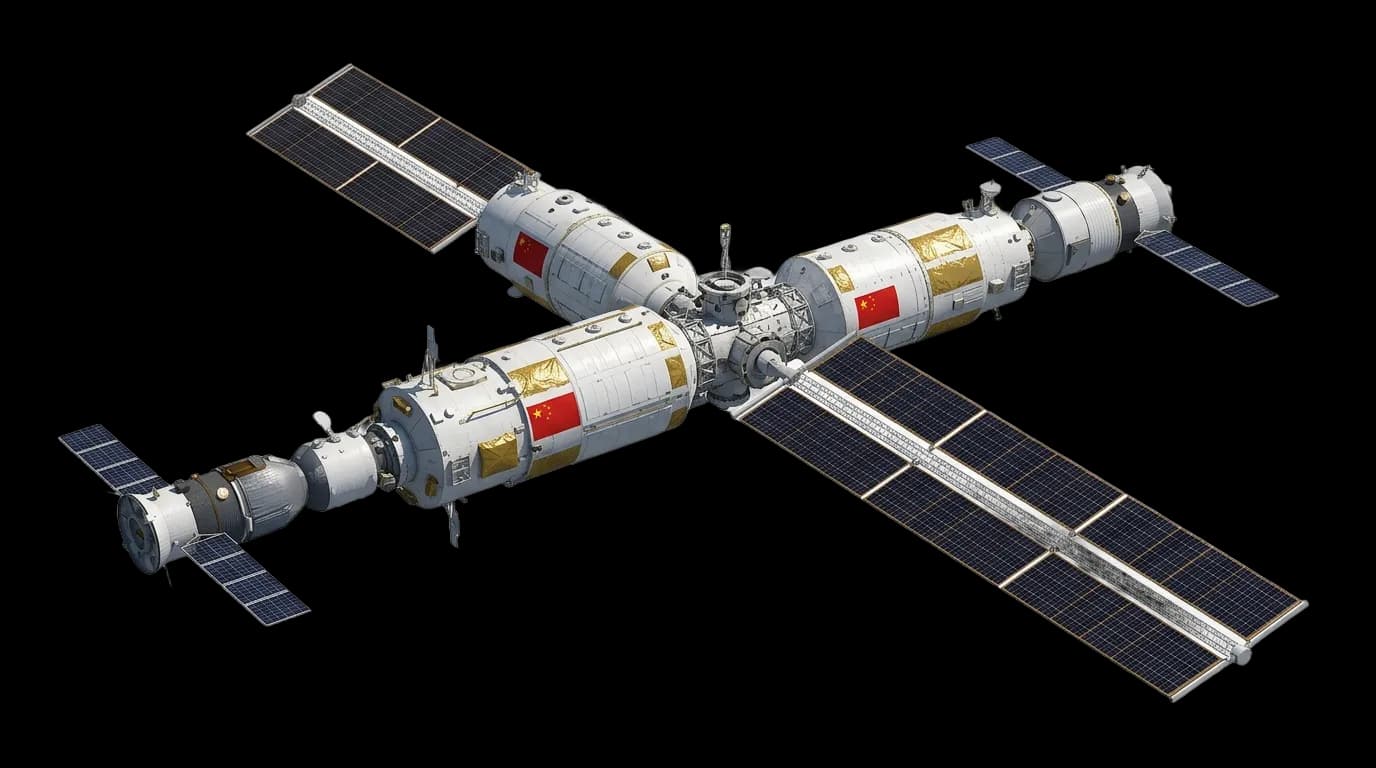
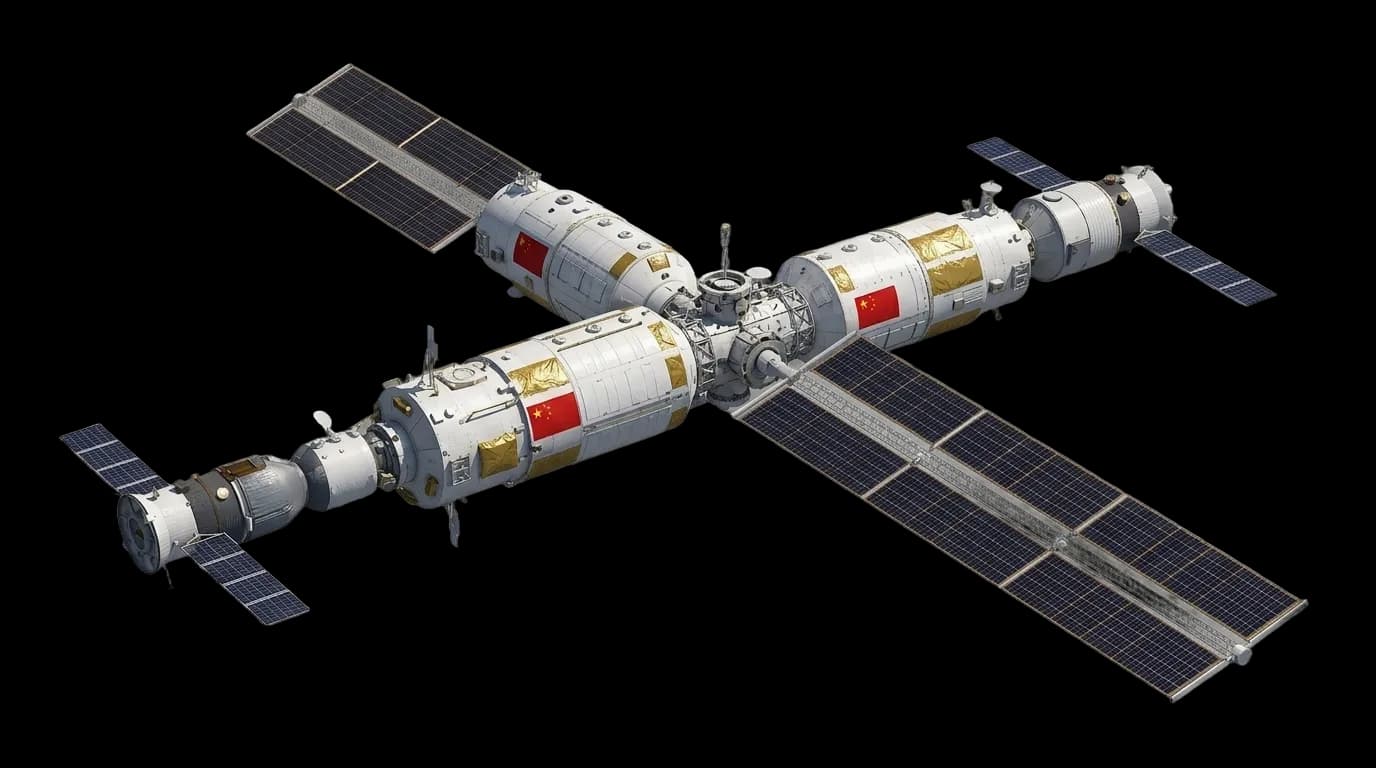
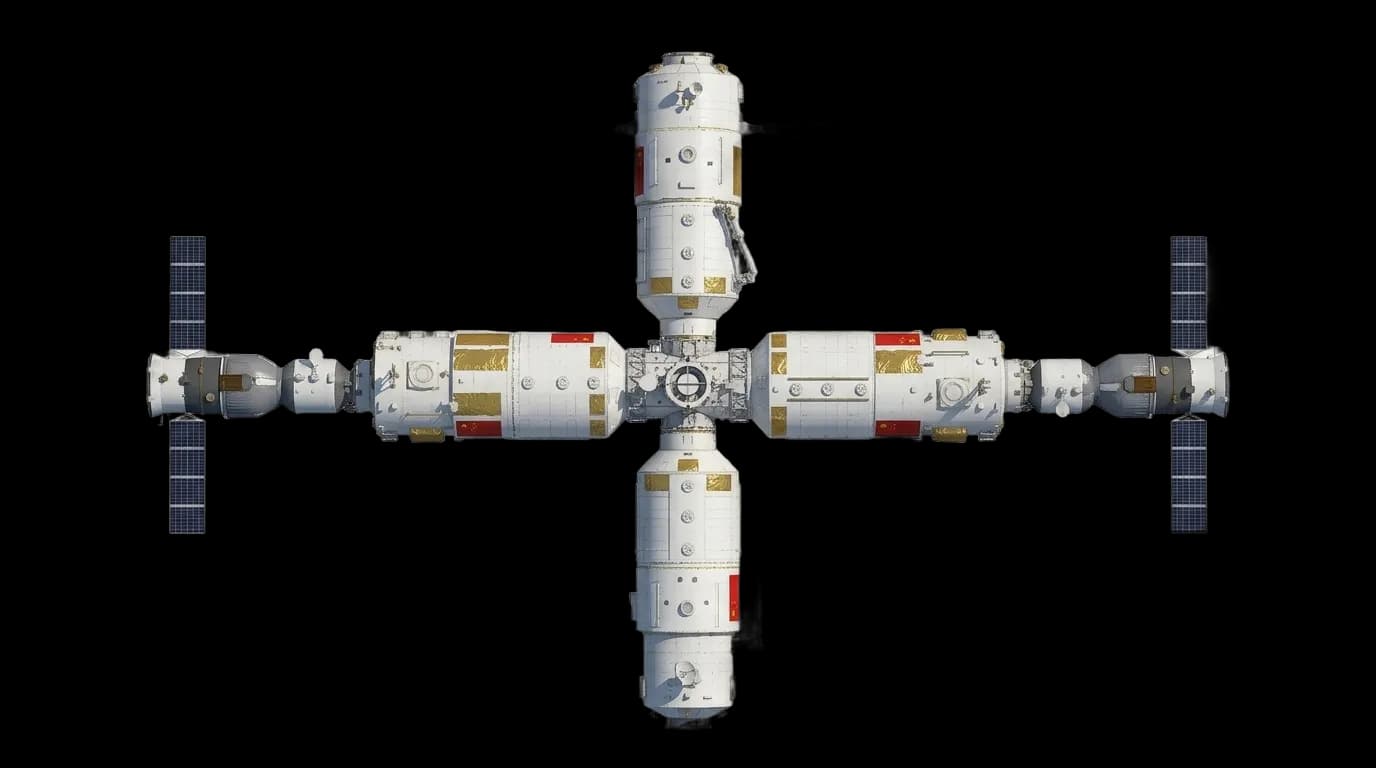
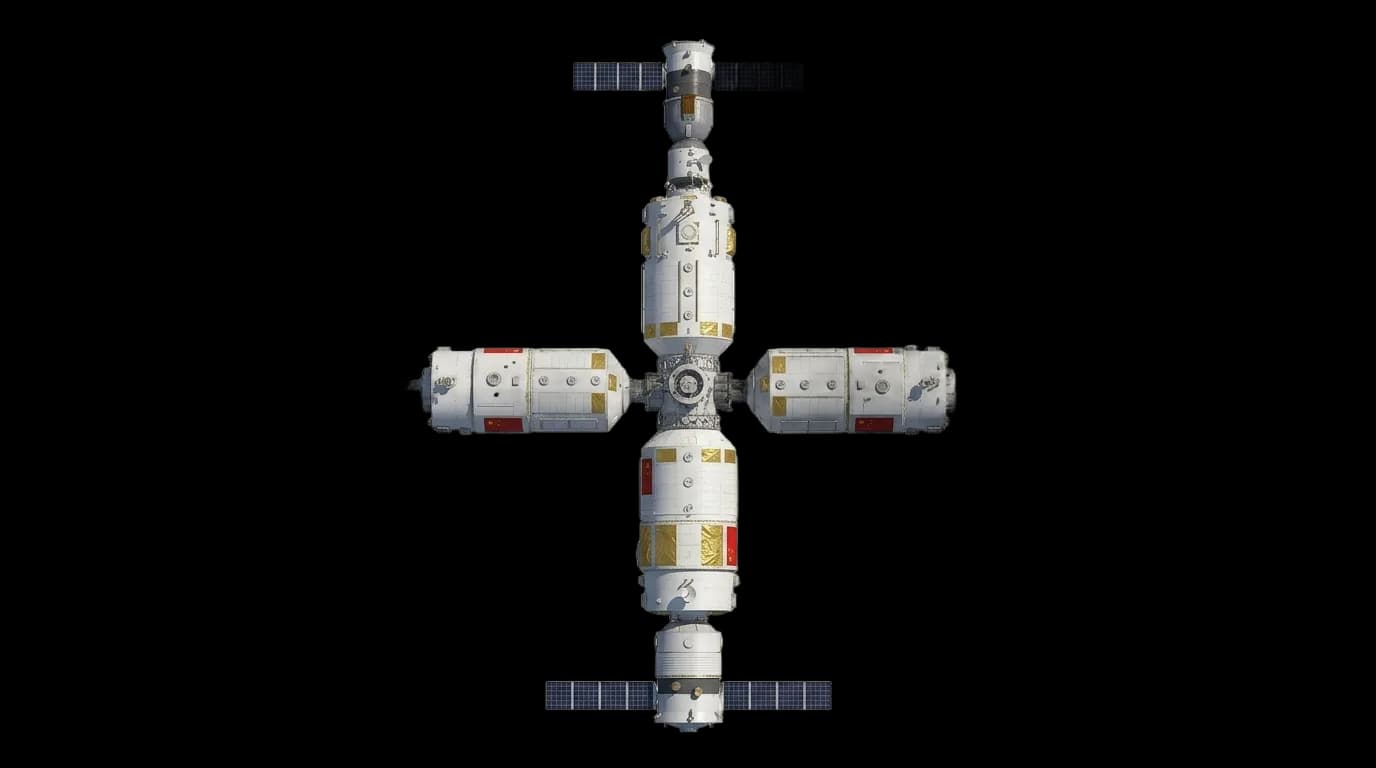
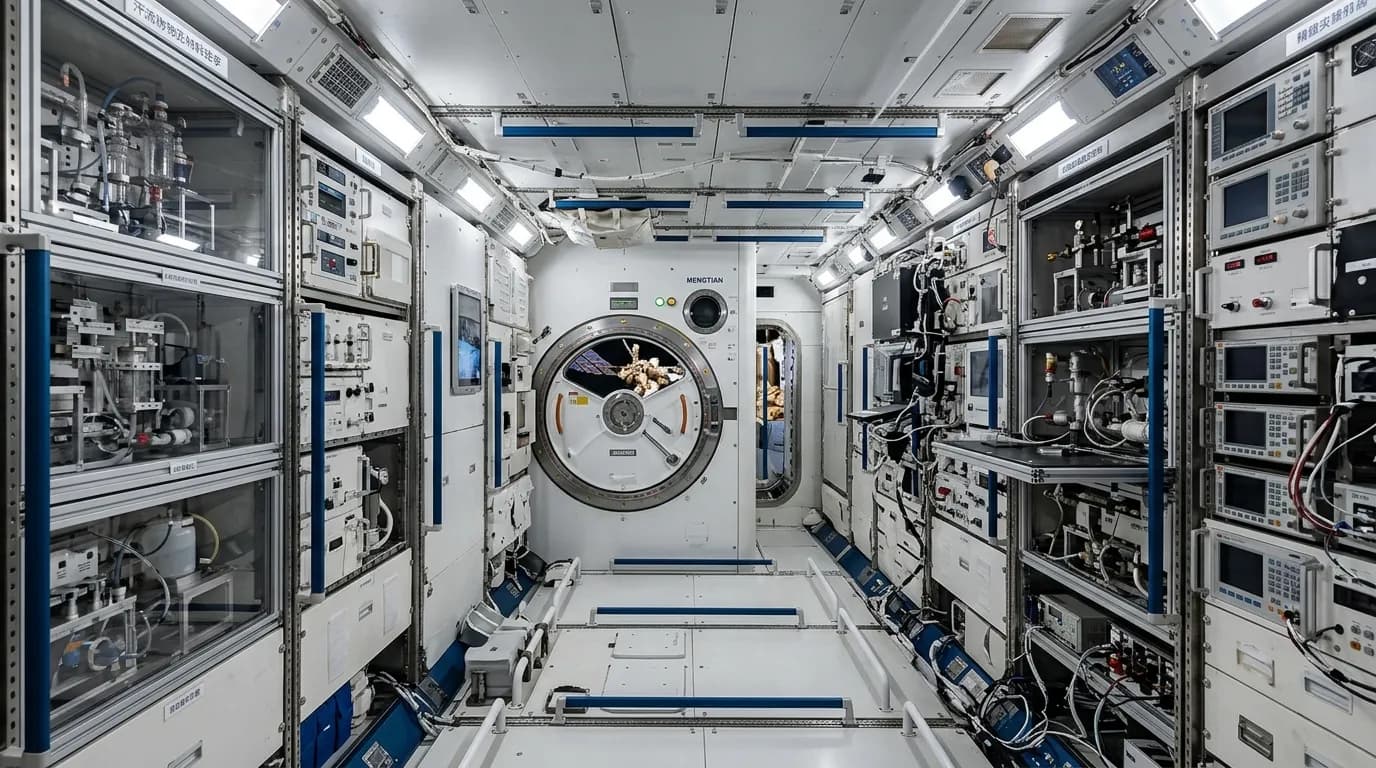
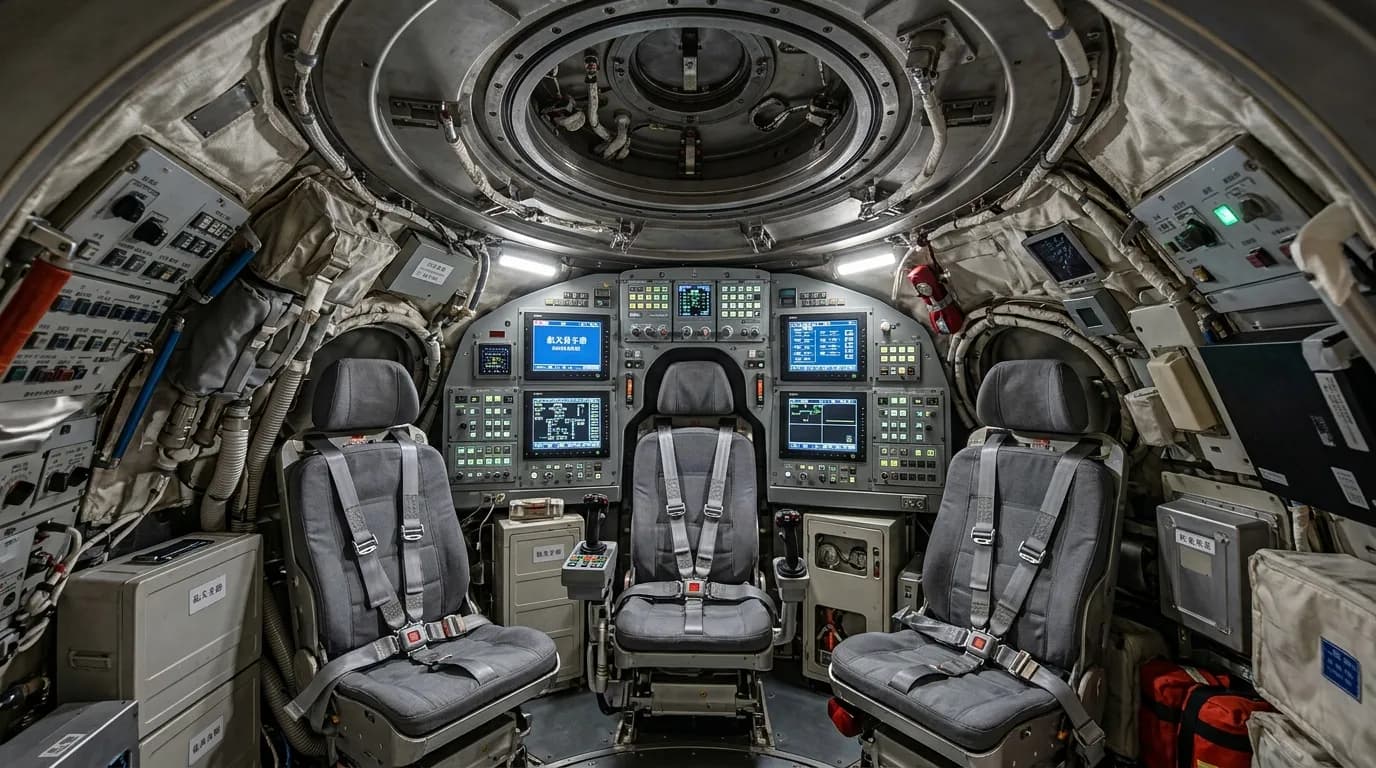
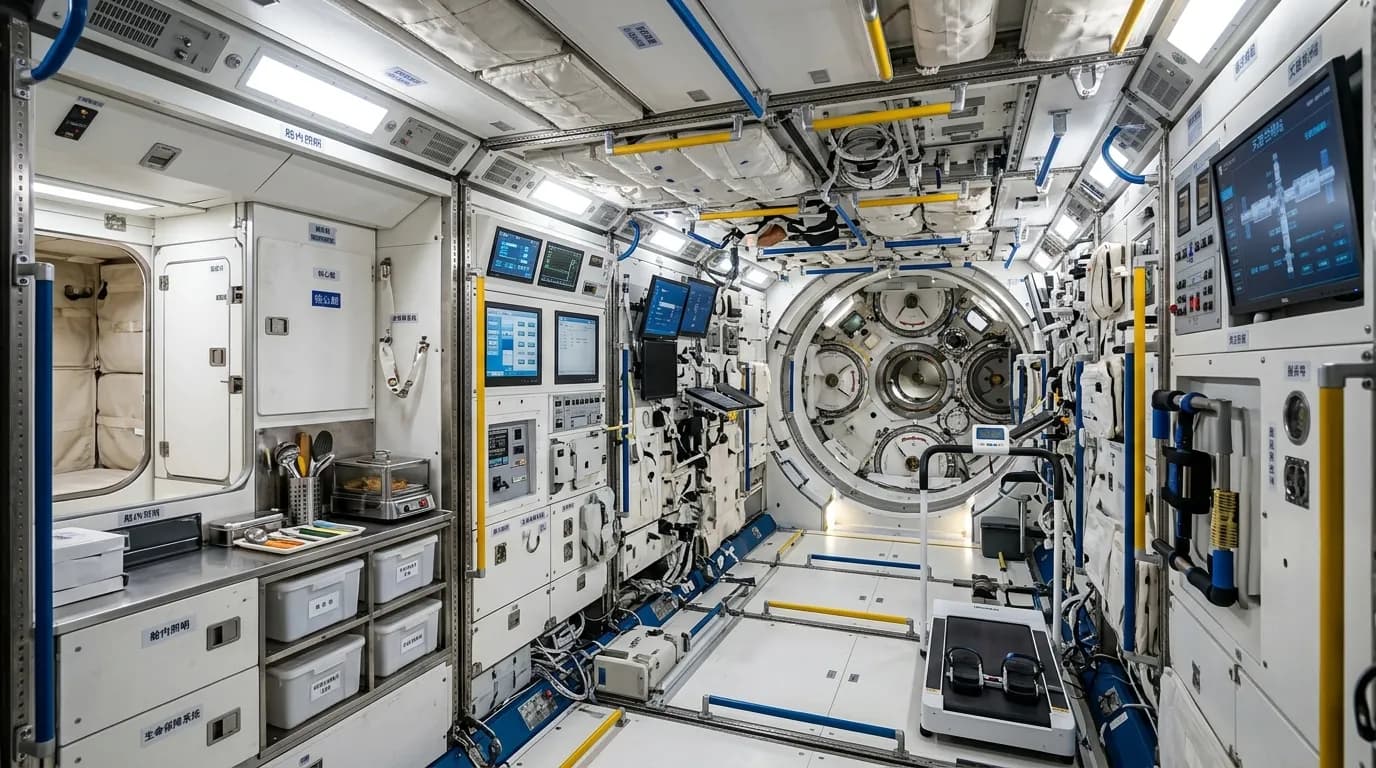
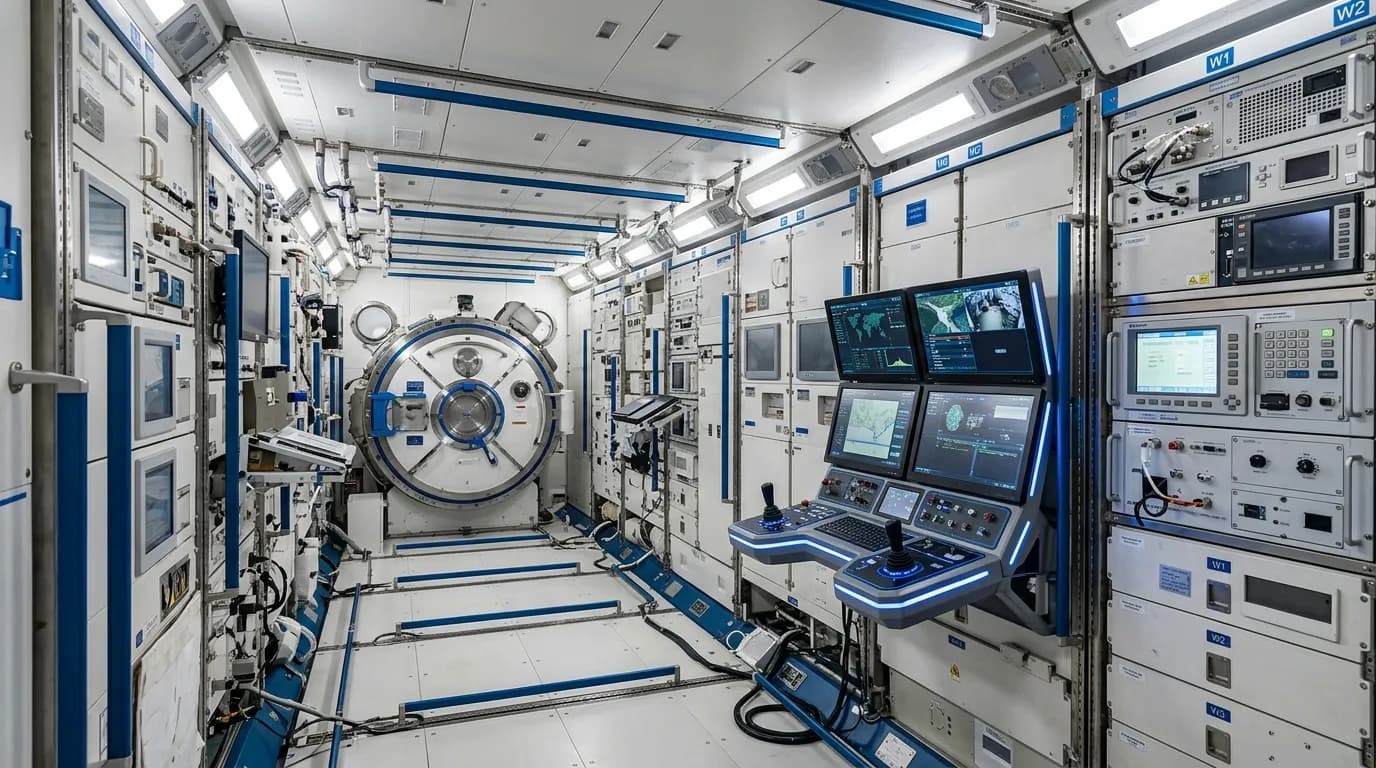
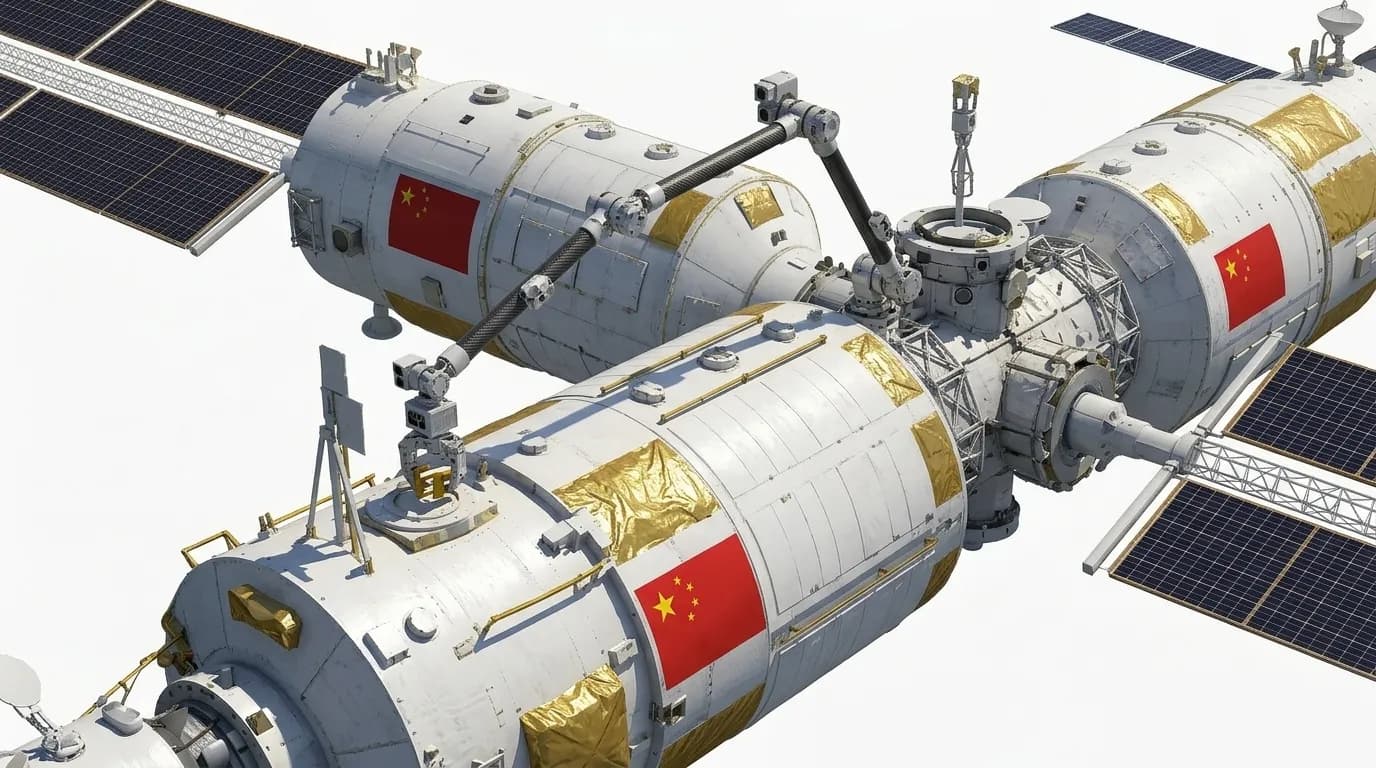
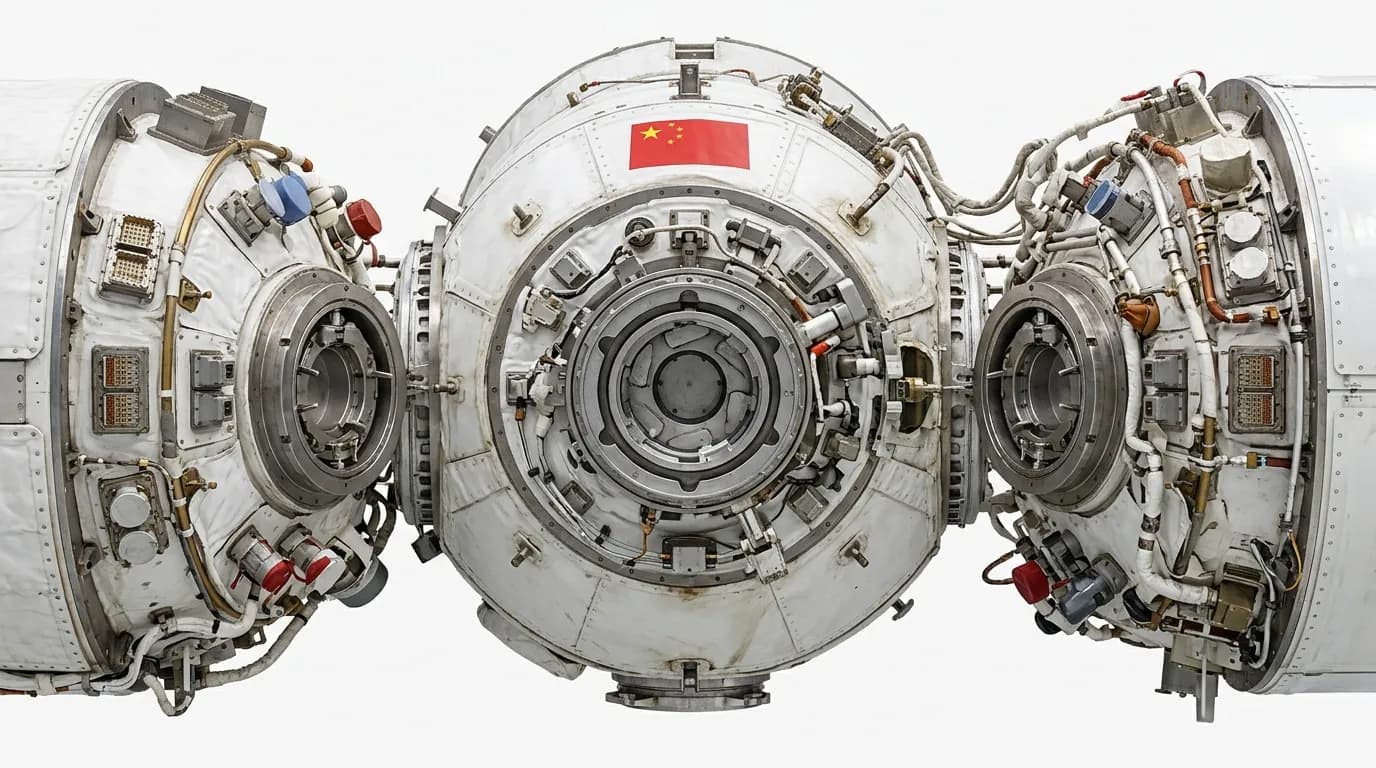
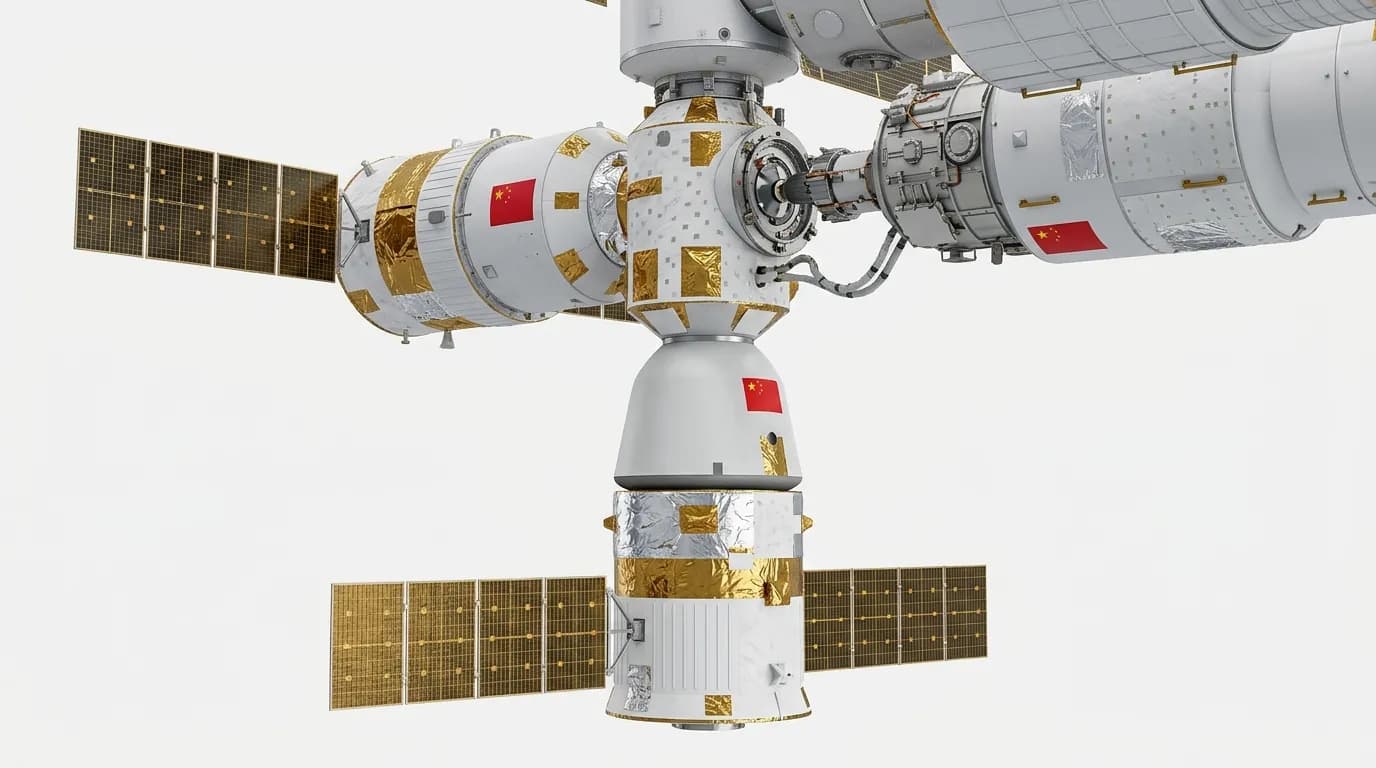
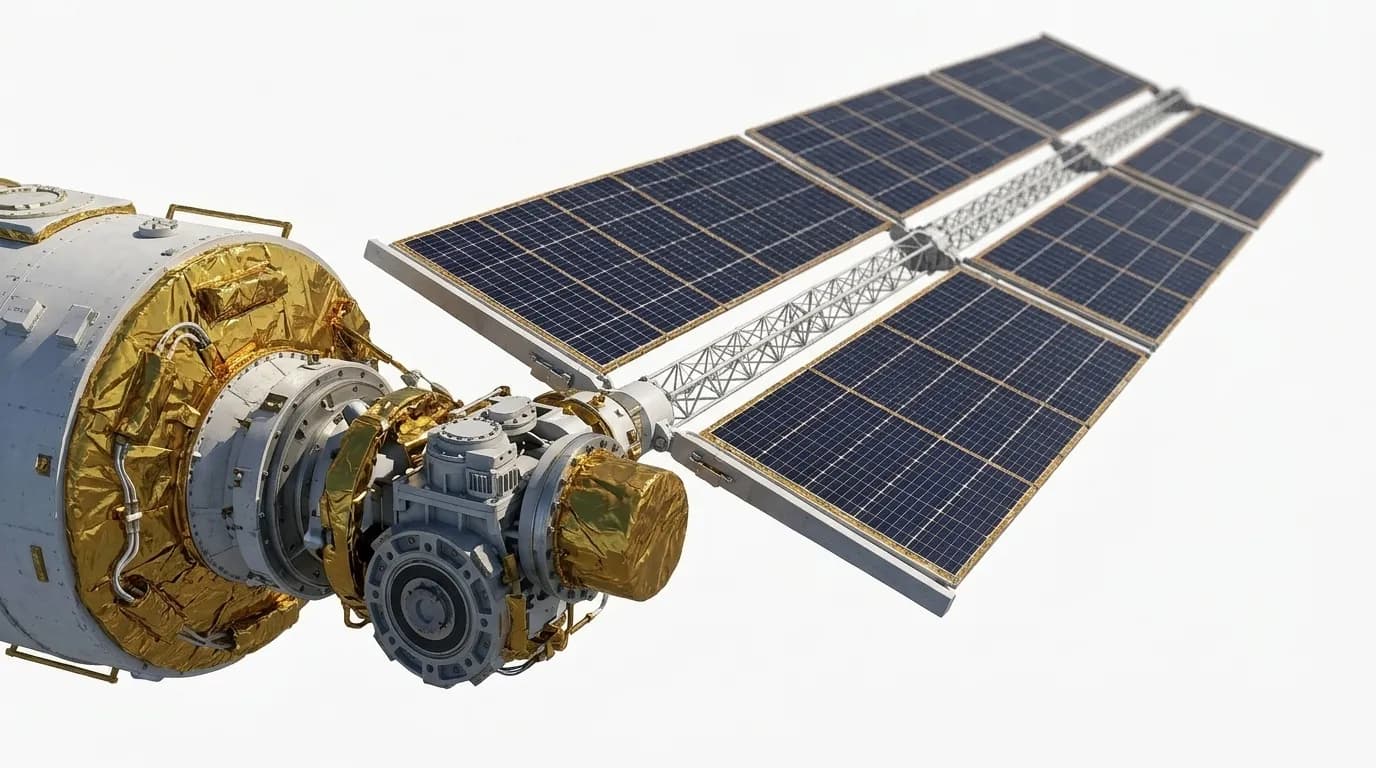
China''s permanent modular space station, the third multi-module station after Mir and the ISS. Continuously crewed since June 2022, Tiangong represents China''s emergence as one of only two nations operating a crewed orbital facility.
History
Tiangong (meaning Heavenly Palace) is China''s permanently crewed space station, assembled in orbit between April 2021 and November 2022. The station consists of three main modules: the Tianhe core module, which provides life support and crew quarters, and two laboratory modules -- Wentian and Mengtian -- for scientific experiments.
The station follows two smaller precursor stations, Tiangong-1 (2011-2018) and Tiangong-2 (2016-2019), which tested docking, life support, and crew operations in preparation for the permanent station. China developed the capability independently after being excluded from the International Space Station partnership, primarily due to US congressional restrictions on NASA cooperation with China.
Tiangong has a T-shaped configuration with a pressurized volume roughly one-fifth that of the ISS. Despite its smaller size, the station hosts a comprehensive suite of scientific instruments and experiments. Its most notable external payload is the Xuntian space telescope, a Hubble-class optical telescope that co-orbits with the station and can dock periodically for maintenance and upgrades.
Since June 2022, Tiangong has maintained a continuous human presence, with three-person crews rotating every six months via Shenzhou spacecraft. The station makes China one of only two entities operating a crewed space station, alongside the ISS partnership, and demonstrates China''s ability to sustain long-duration human spaceflight independently.
Timeline
Launch Heritage
- Tianhe core module
- Wentian lab module
- Mengtian lab module
- Permanent Chinese crew rotation
Technical Specifications
Performance
Dimensions
Mass
Mission
Power & Systems
Source: CNSA/CMSA
Tags
Designed by CAST / CMSA