New Horizons


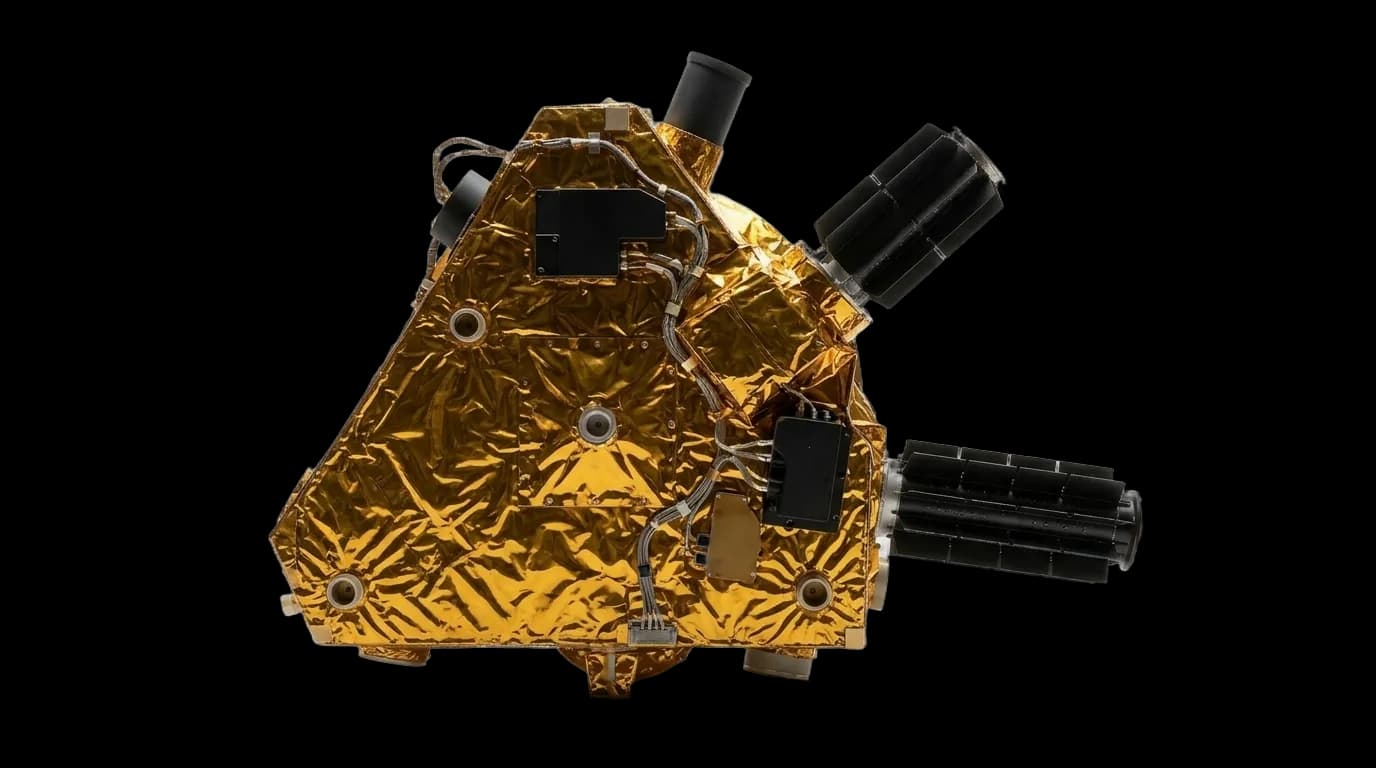
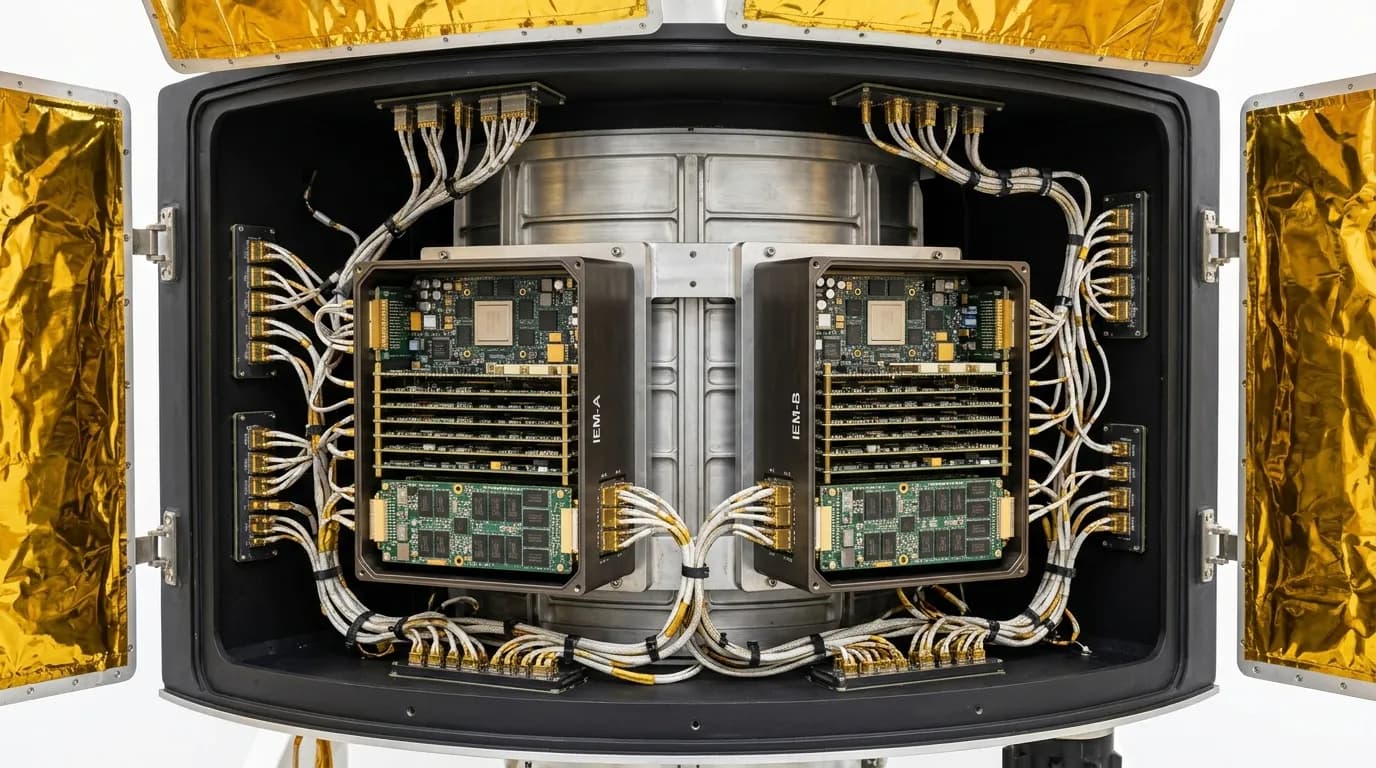


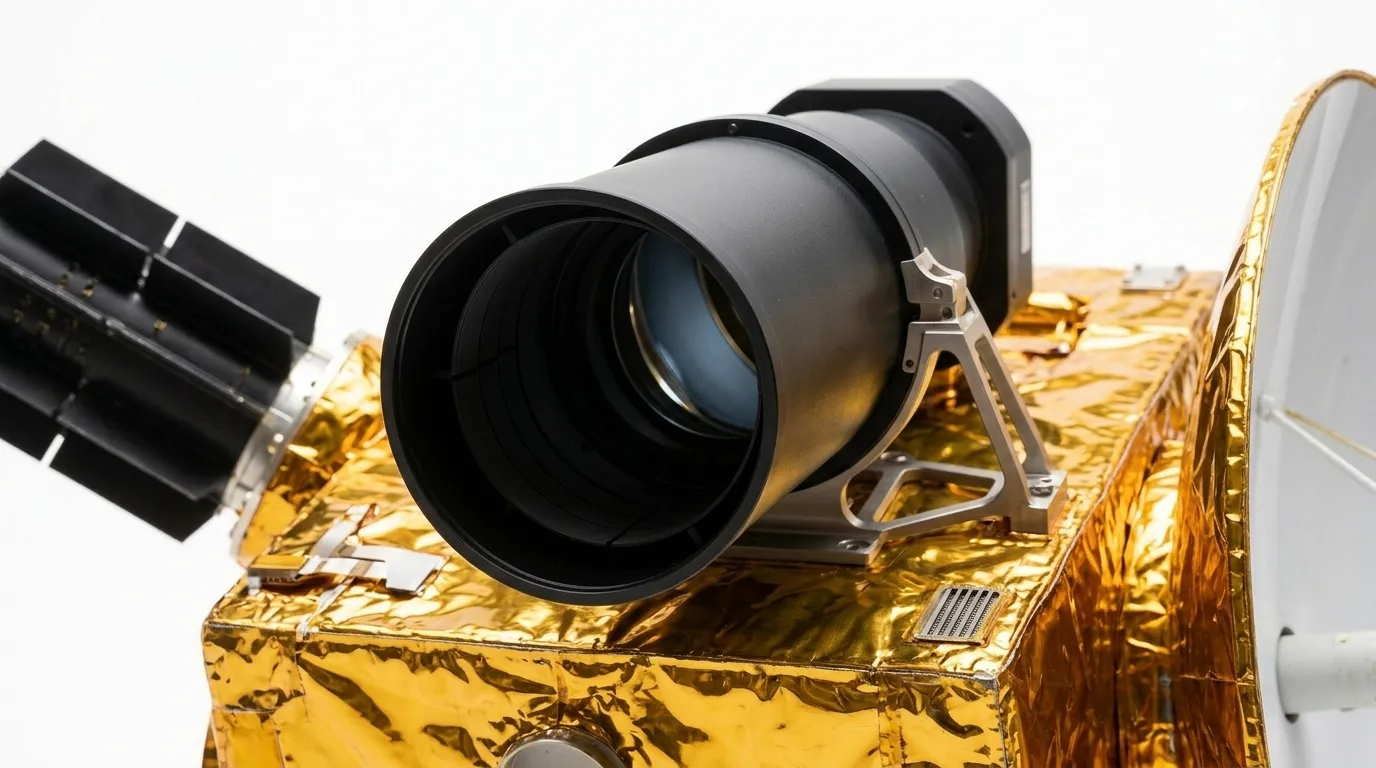

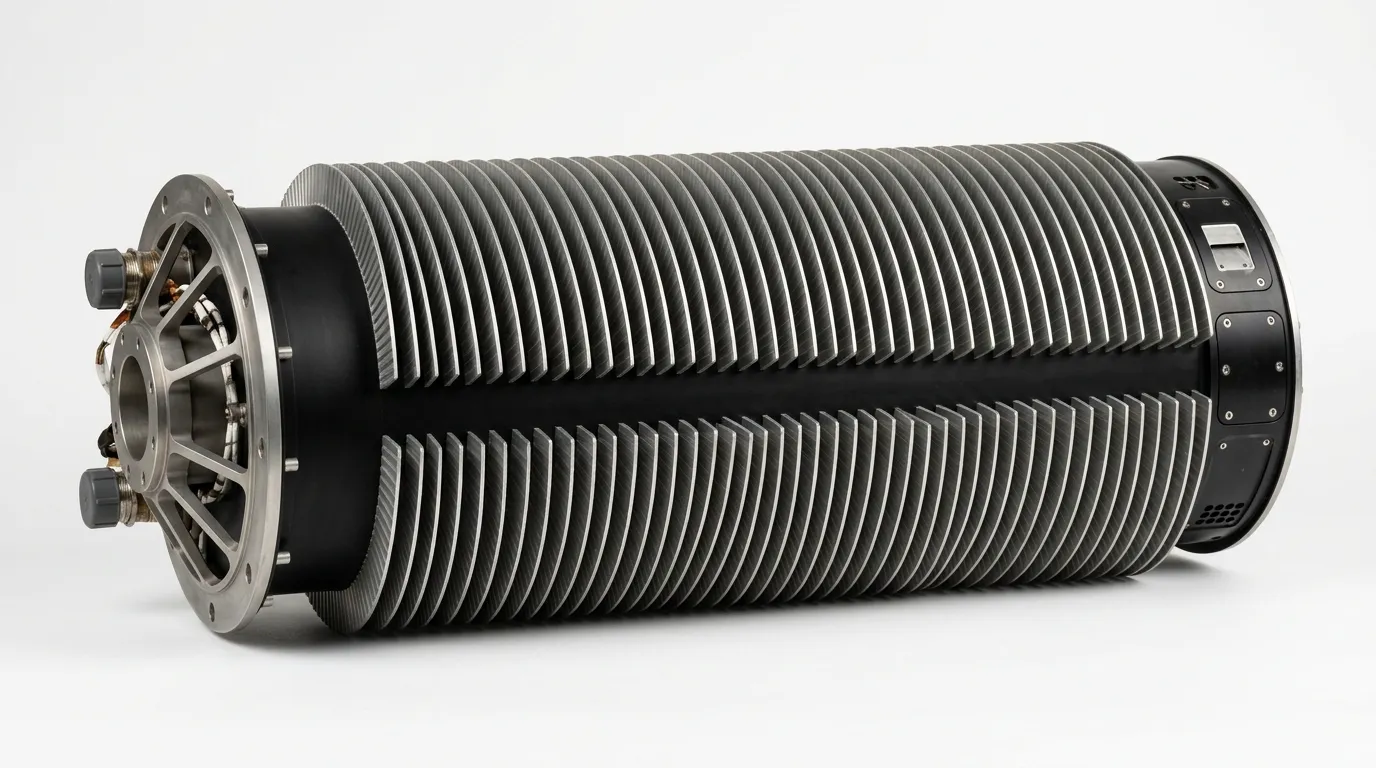
The first spacecraft to fly by Pluto, revealing it as a complex, geologically active world with nitrogen glaciers, mountain ranges of water ice, and a thin atmosphere. It later visited Arrokoth, the most distant object ever explored by a spacecraft.
History
New Horizons launched on January 19, 2006, aboard an Atlas V rocket, departing Earth faster than any previous spacecraft. Despite this speed, the journey to Pluto took nine and a half years, with a gravity assist from Jupiter along the way.
When New Horizons flew past Pluto on July 14, 2015, at a distance of just 7,800 miles, it transformed our understanding of the dwarf planet almost overnight. Previous observations from Earth and Hubble showed Pluto as a fuzzy dot. New Horizons revealed a world of stunning complexity: nitrogen ice glaciers flowing across a heart-shaped plain (informally named Tombaugh Regio after Pluto''s discoverer), mountains of water ice rising 11,000 feet, a thin but real atmosphere of nitrogen and methane, and evidence of geological activity despite the minus 390 degree Fahrenheit surface temperature.
The spacecraft continued on to flyby 486958 Arrokoth (formerly Ultima Thule) on January 1, 2019 -- a small Kuiper Belt object some 4.1 billion miles from the Sun. Arrokoth resembled a flattened snowman, composed of two lobes gently joined together. Its pristine, undisturbed surface provided clues about the conditions in the early solar system 4.6 billion years ago.
New Horizons continues to explore the Kuiper Belt remotely, studying other distant objects with its cameras and spectrometers while transmitting data back to Earth. The spacecraft''s observations of the heliosphere, the bubble of solar wind surrounding the solar system, complement the Voyager probes'' measurements from different locations in interstellar space.
Timeline
Launch Heritage
- Pluto flyby (2015)
- Arrokoth flyby (2019)
- Jupiter gravity assist
Technical Specifications
Propulsion
Performance
Dimensions
Mass
Mission
Power & Systems
Source: NASA/APL
Tags
Designed by NASA/APL / Alan Stern