Pioneer Probes
First-of-their-kind deep space missions that ventured where nothing had gone before.
10 vehicles
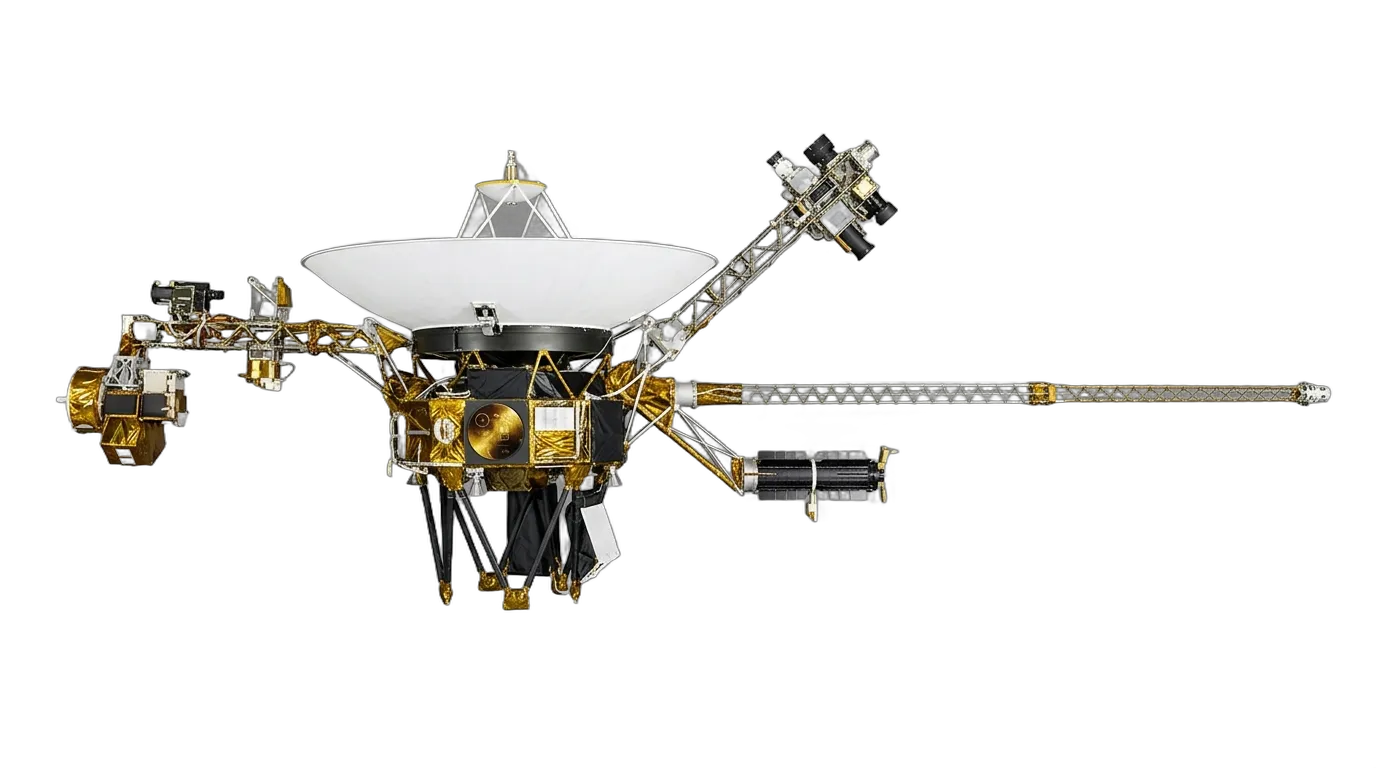
Deep space probes are humanity's farthest-reaching creations. Voyager 1, launched in 1977, has traveled over 15 billion miles from Earth and is still transmitting. These spacecraft carry no crew, receive commands hours or days after transmission, and operate in conditions so extreme that every system must work perfectly or the mission is lost. They are the ultimate test of engineering.
The Grand Tour
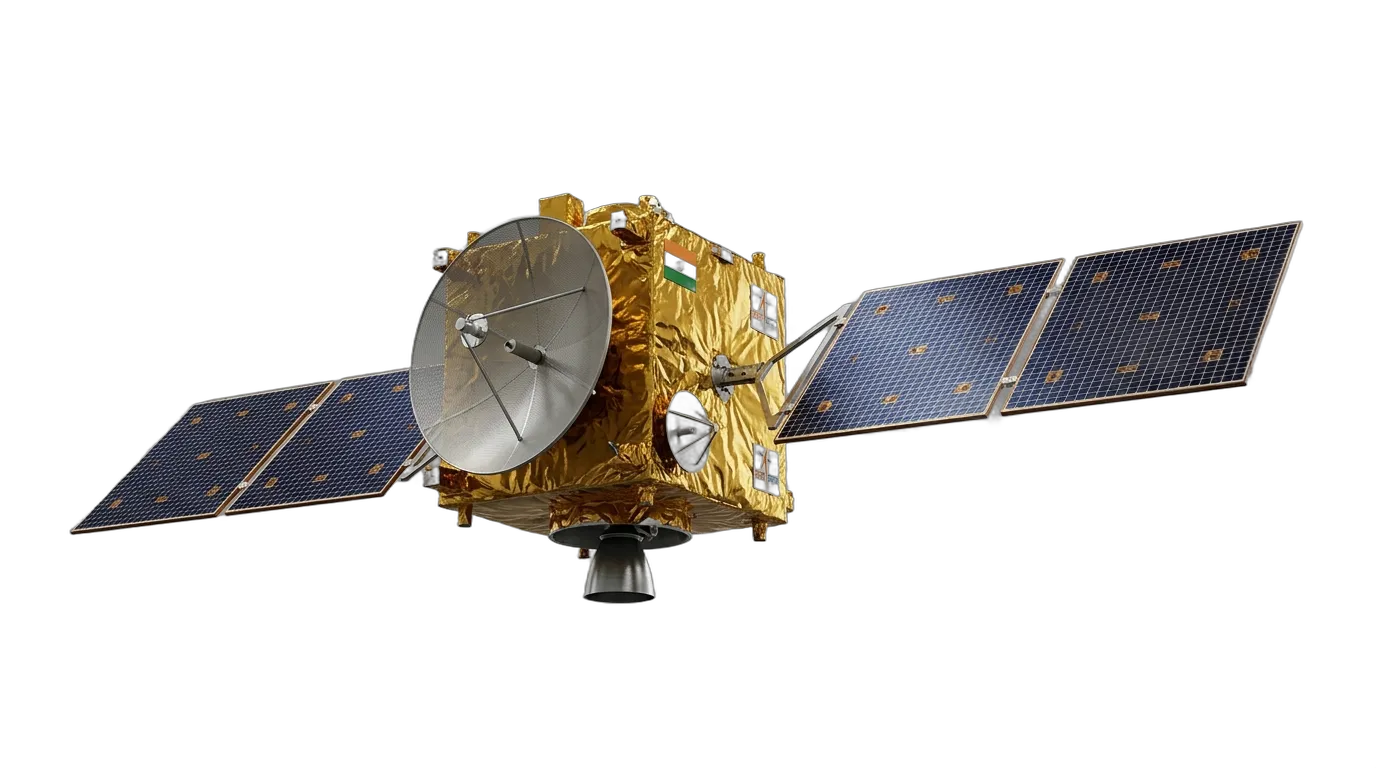
Voyager 1 and Voyager 2 exploited a rare alignment of the outer planets that occurs once every 176 years. Voyager 2 is the only spacecraft to have visited Uranus and Neptune. Both Voyagers carry Golden Records -- phonograph recordings of sounds and images from Earth, intended for any intelligence that might find them. Voyager 1 entered interstellar space in 2012, becoming the first human-made object to leave the solar system.
The First Explorers
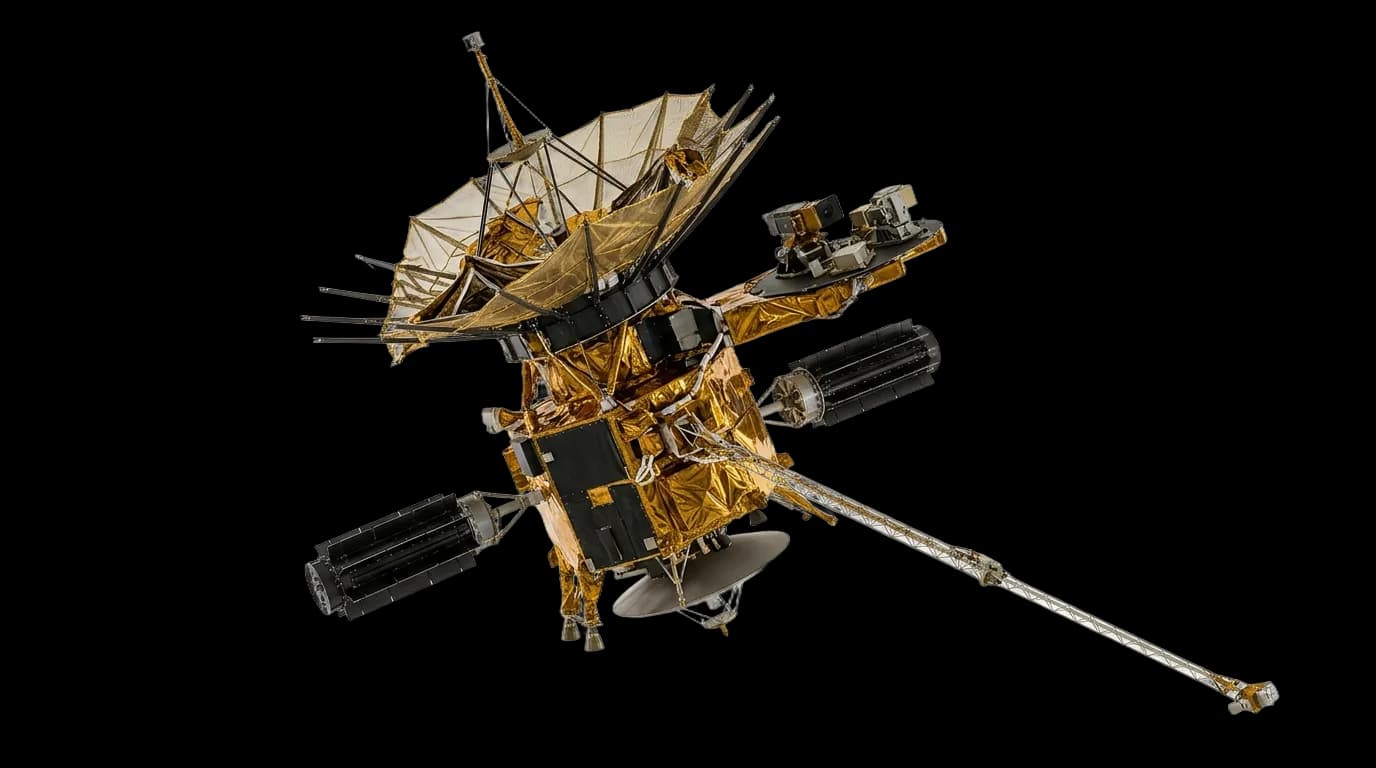
Pioneer 10 and Pioneer 11 blazed the trail through the asteroid belt and to Jupiter and Saturn in the early 1970s. They proved that spacecraft could survive the asteroid belt and Jupiter's radiation environment. Each carried a gold-anodized aluminum plaque depicting a man and a woman and Earth's location relative to 14 pulsars -- humanity's first deliberate message to the cosmos.
The Outer Reaches
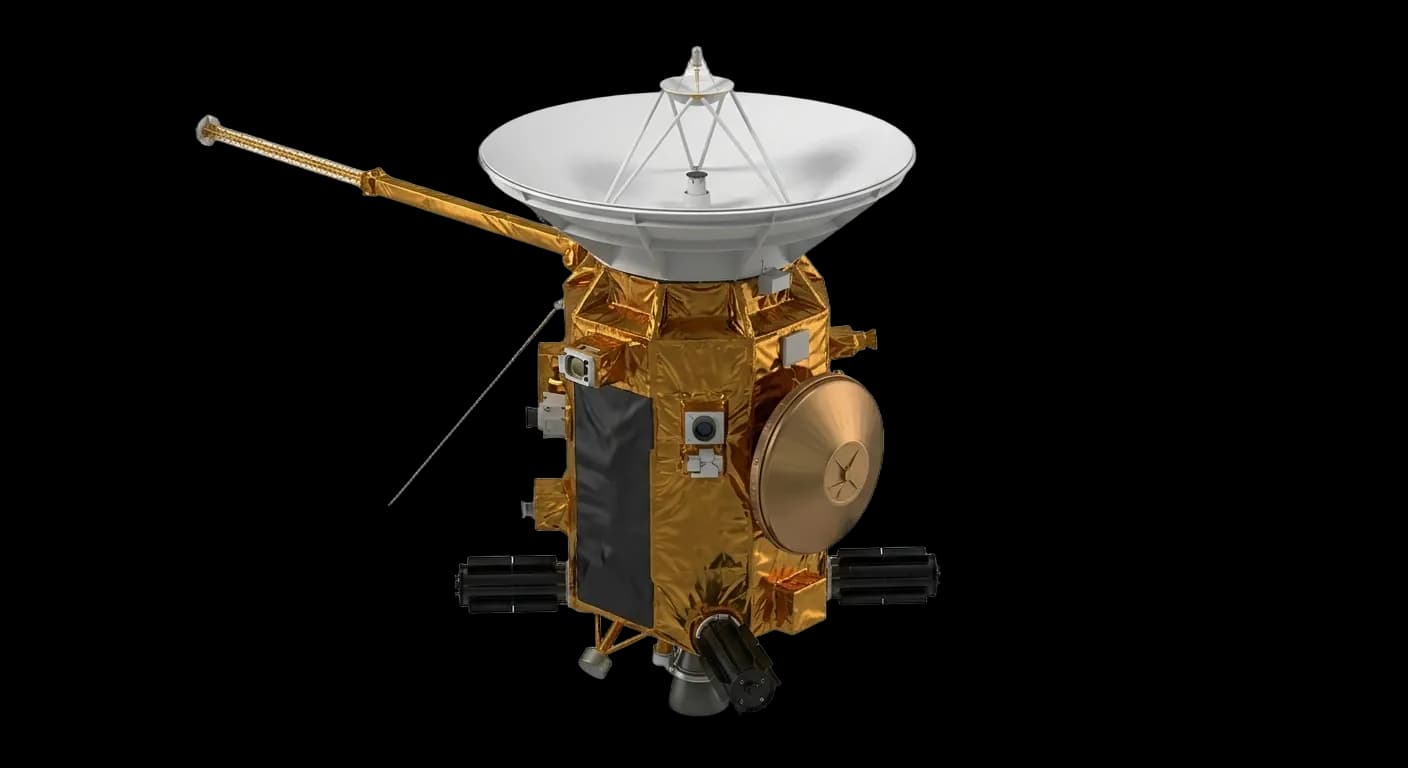
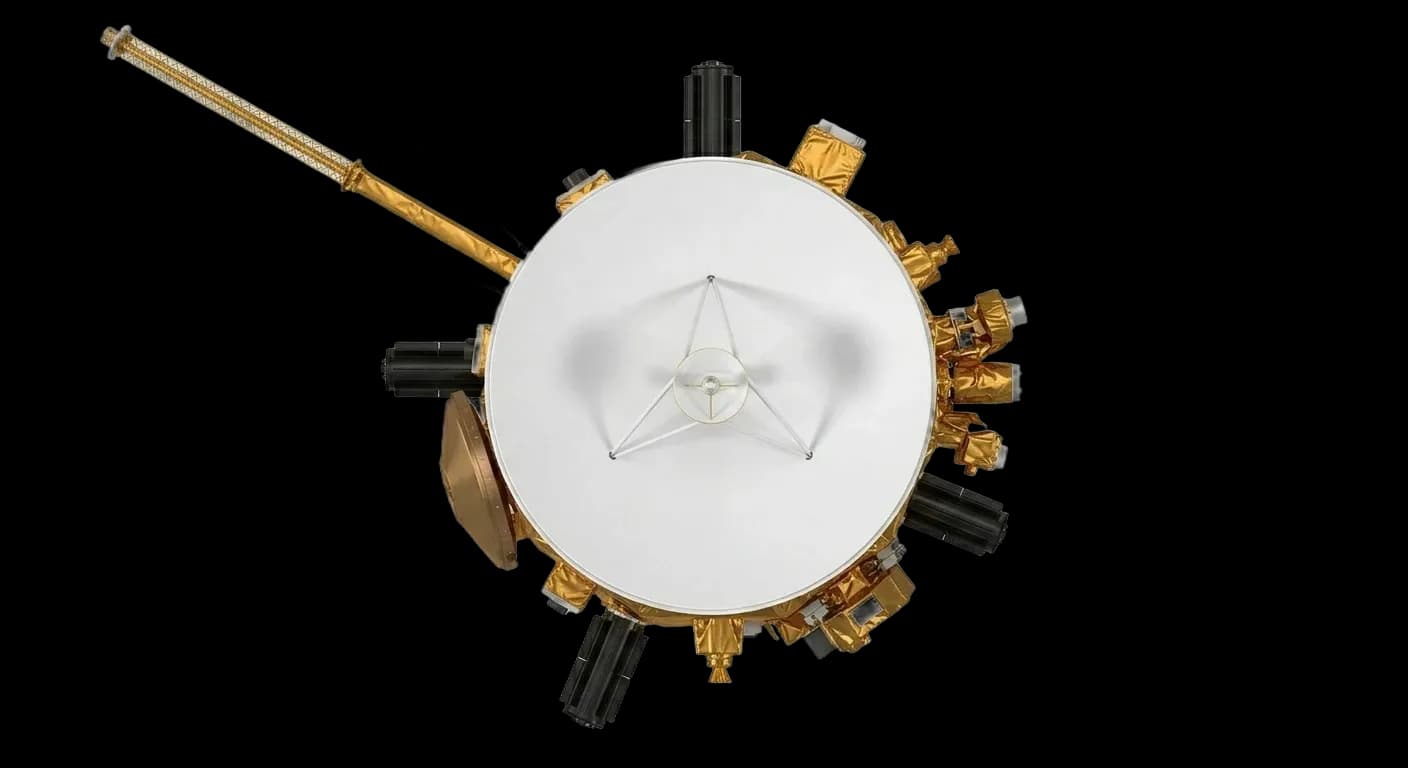
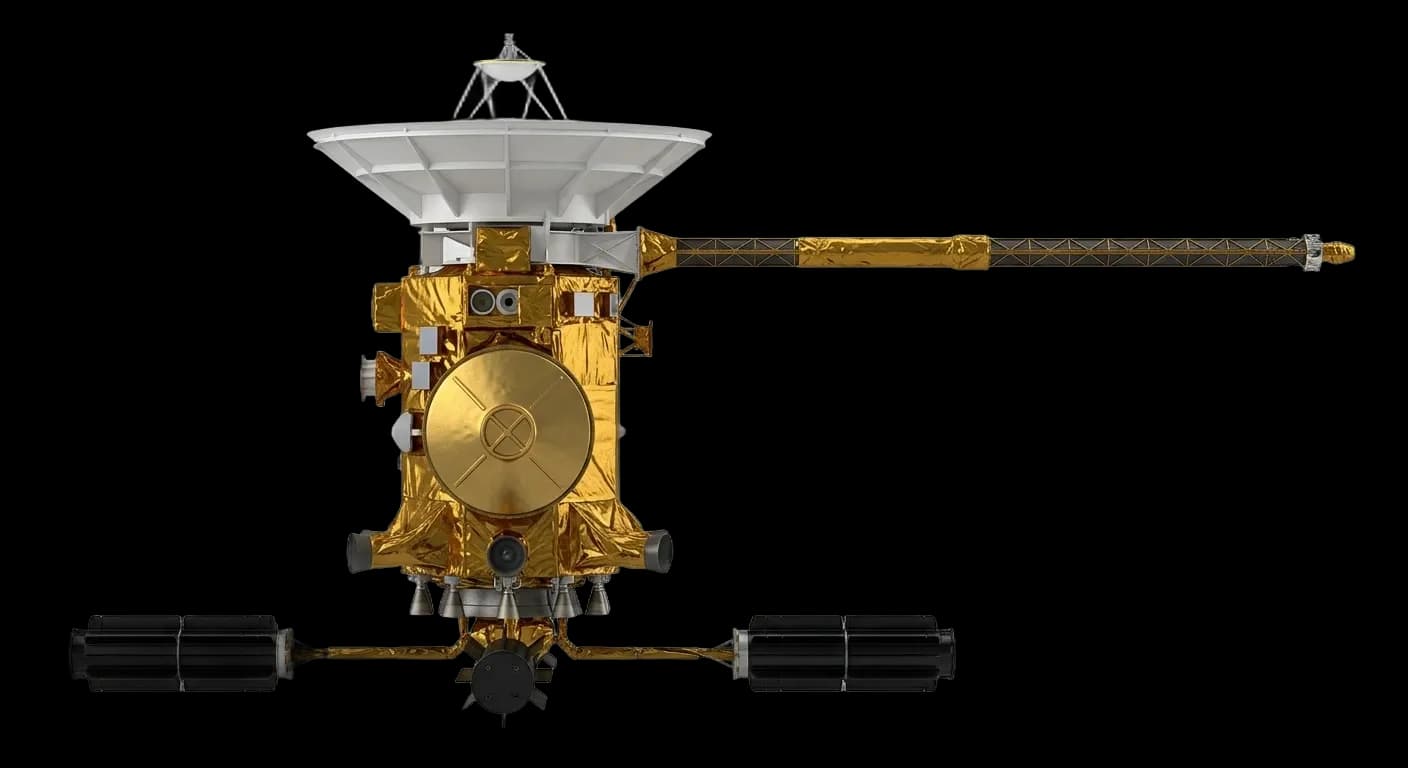
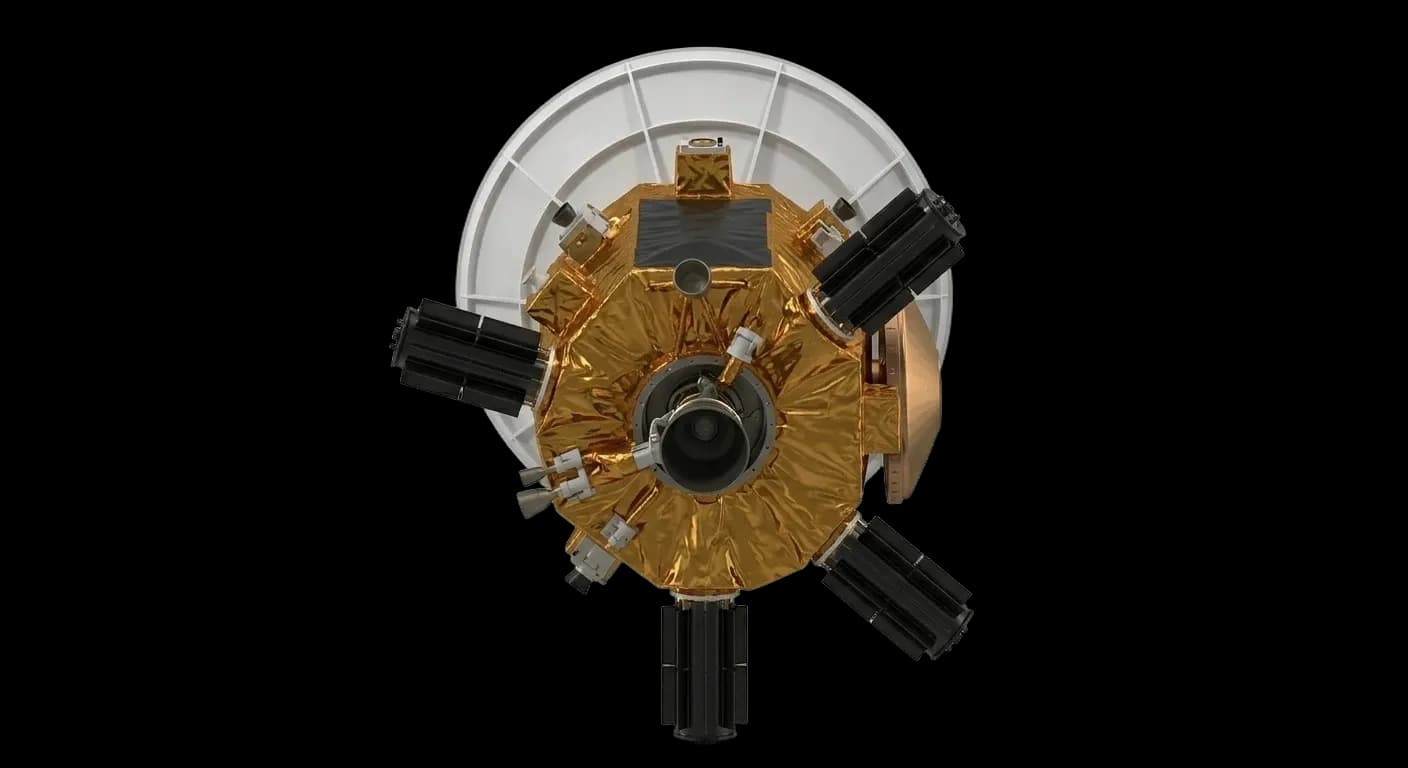
New Horizons reached Pluto in 2015 after a nine-year journey, revealing a world of nitrogen glaciers and mountain ranges of water ice. It then continued to Arrokoth, the most distant object ever visited by a spacecraft. Cassini spent 13 years orbiting Saturn, discovering ocean worlds on Enceladus and methane lakes on Titan. These missions have rewritten everything we thought we knew about the outer solar system.
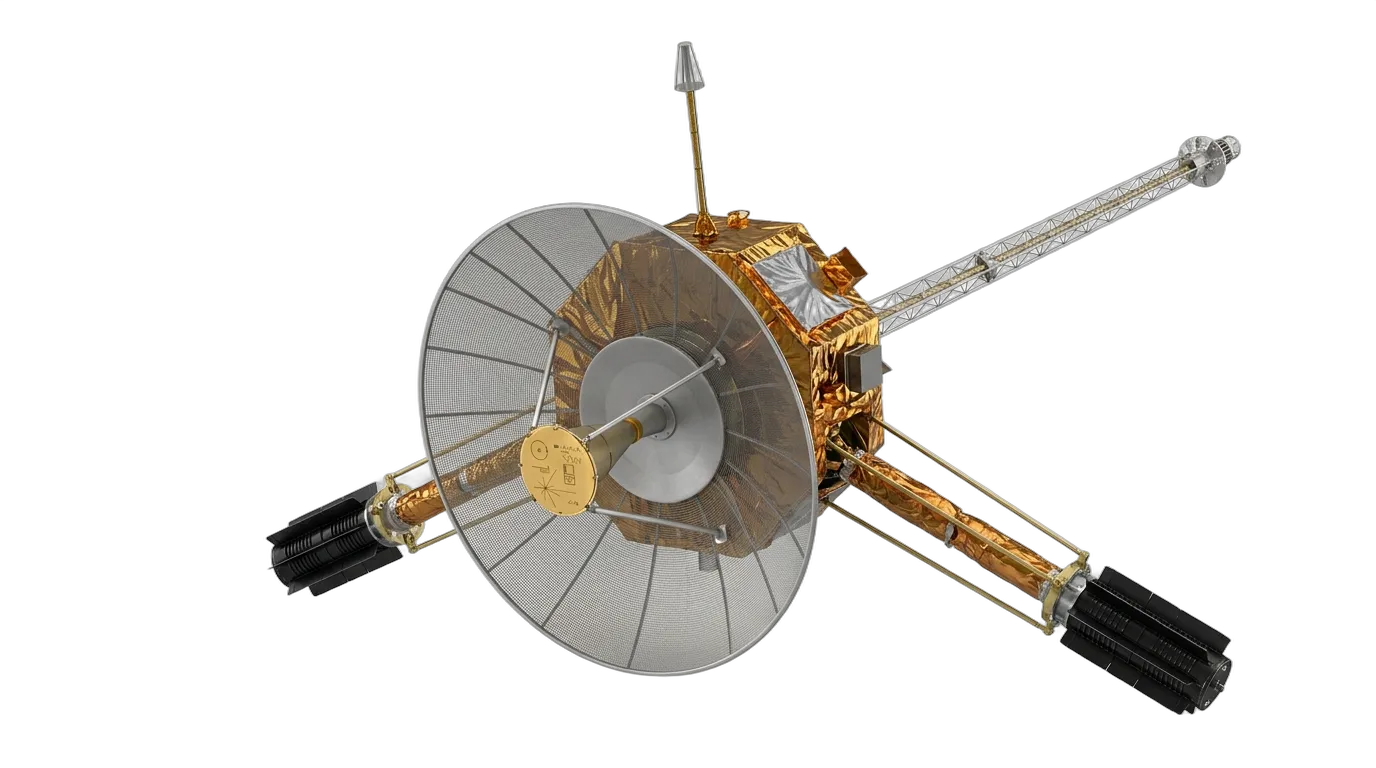
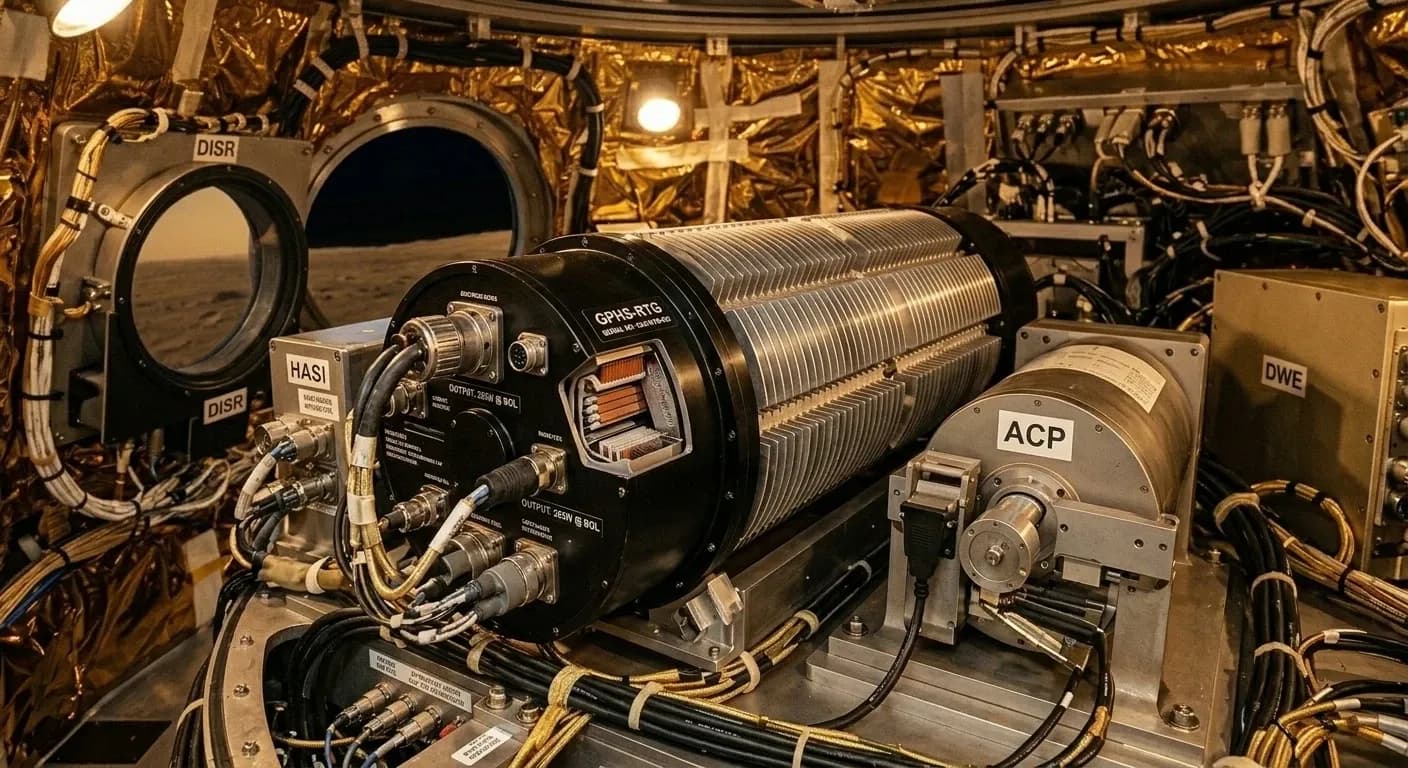
Deep space probes are time capsules in reverse. They carry the best technology of their era into environments their designers never fully understood. Voyager's computers have less memory than a modern key fob. Pioneer's power source was state-of-the-art in 1972. Yet these machines continue to function, decades beyond their design life, in the emptiest reaches of the cosmos. They are monuments to the idea that exploration does not require a destination -- only a direction.