Voyager 1
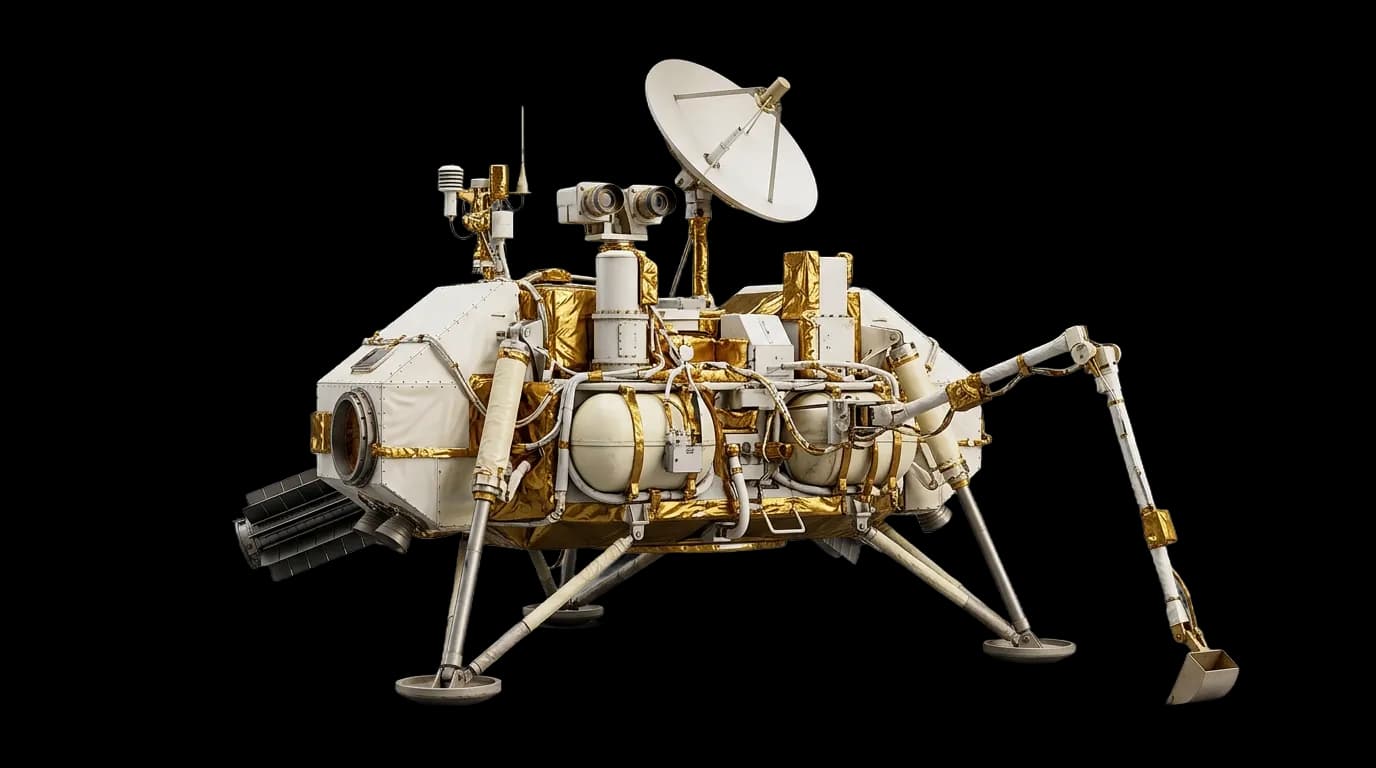
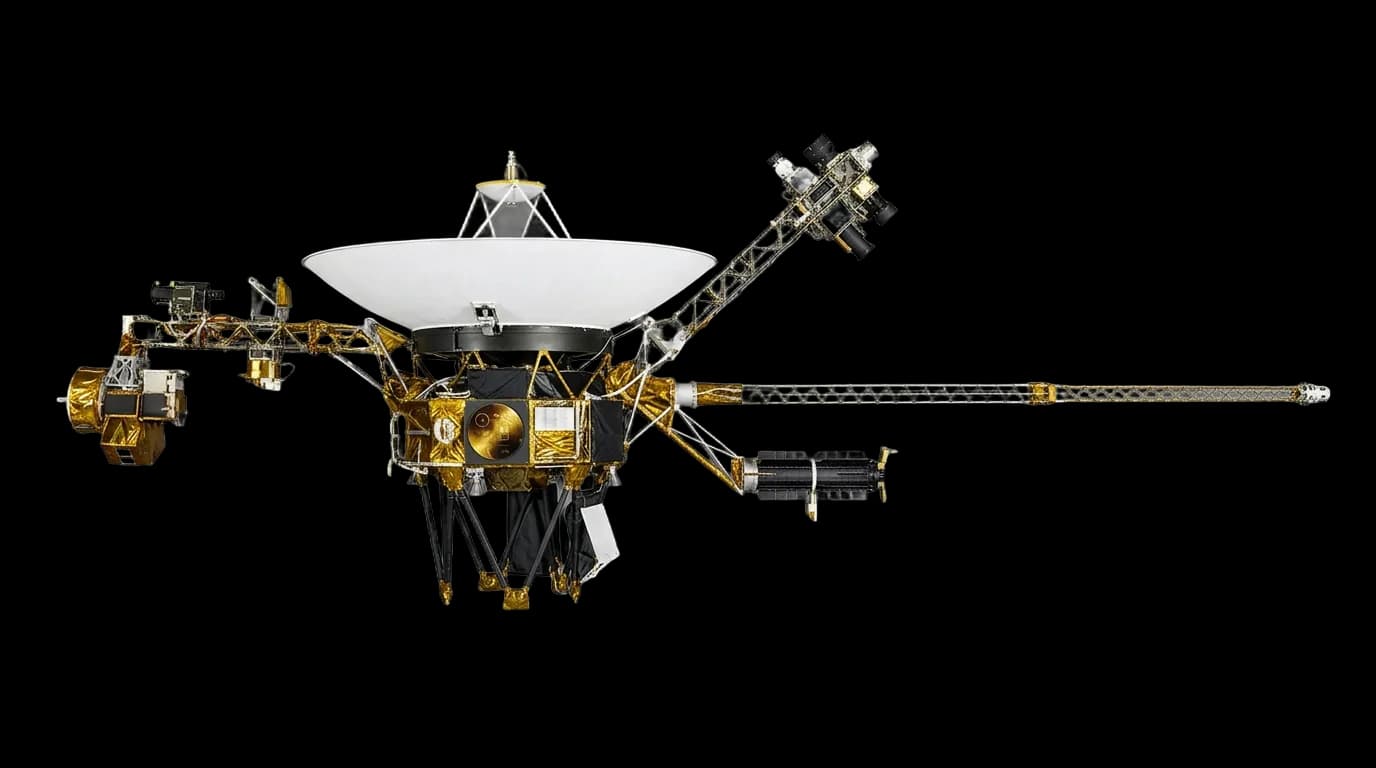
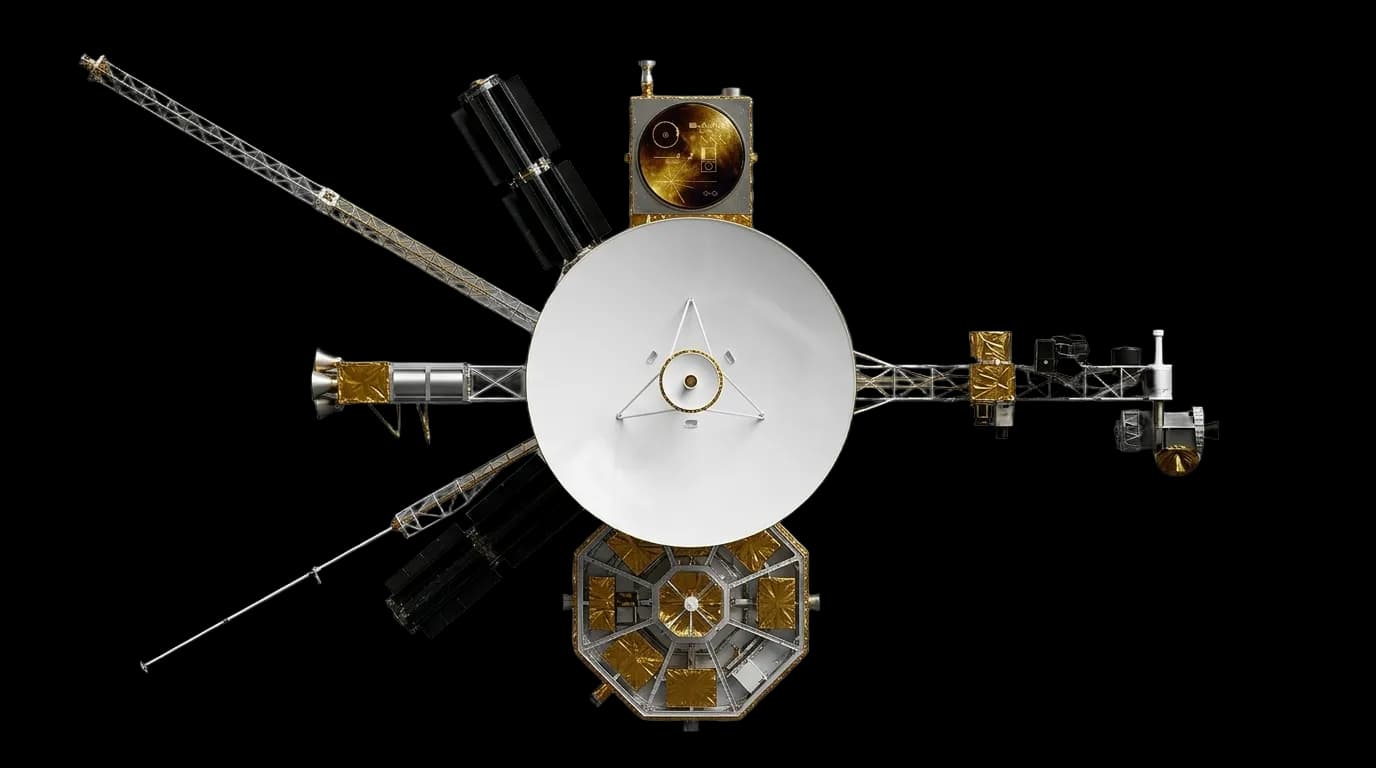
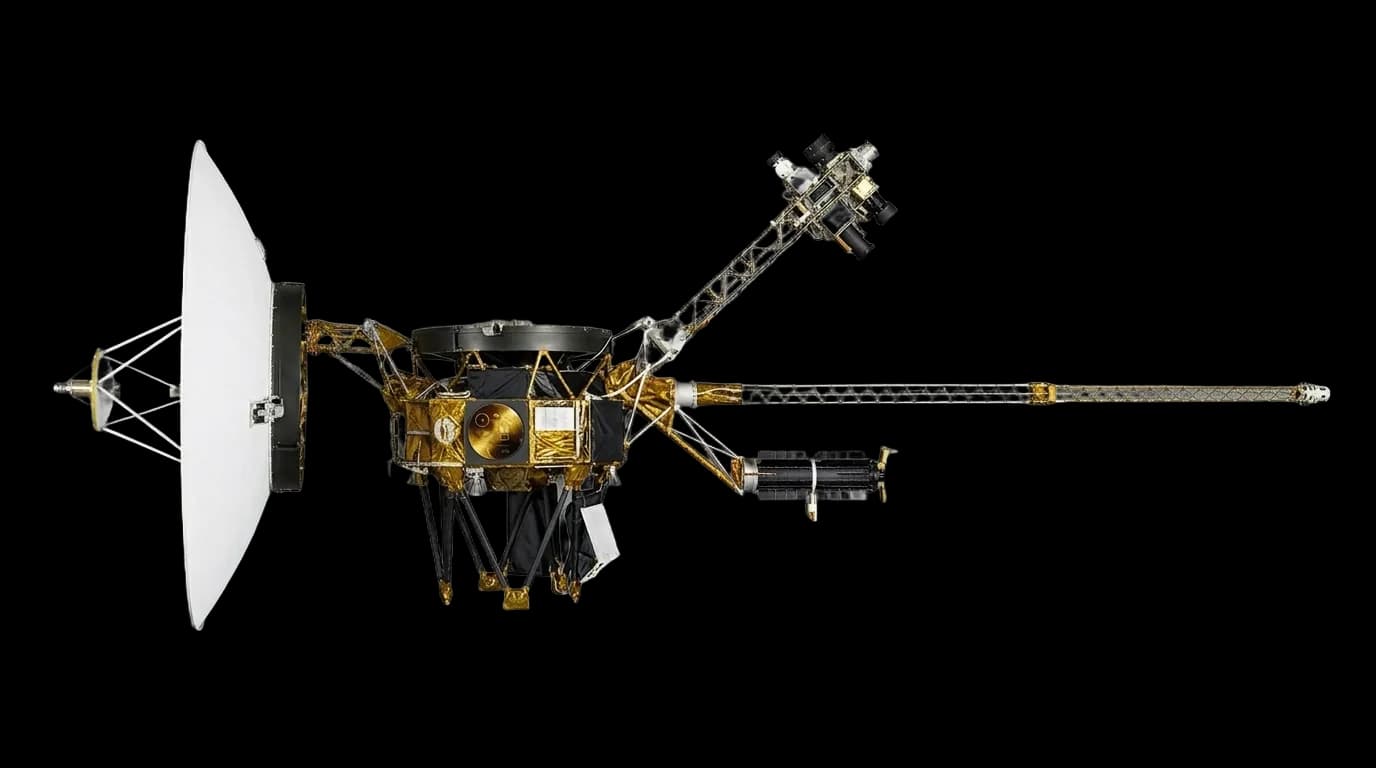
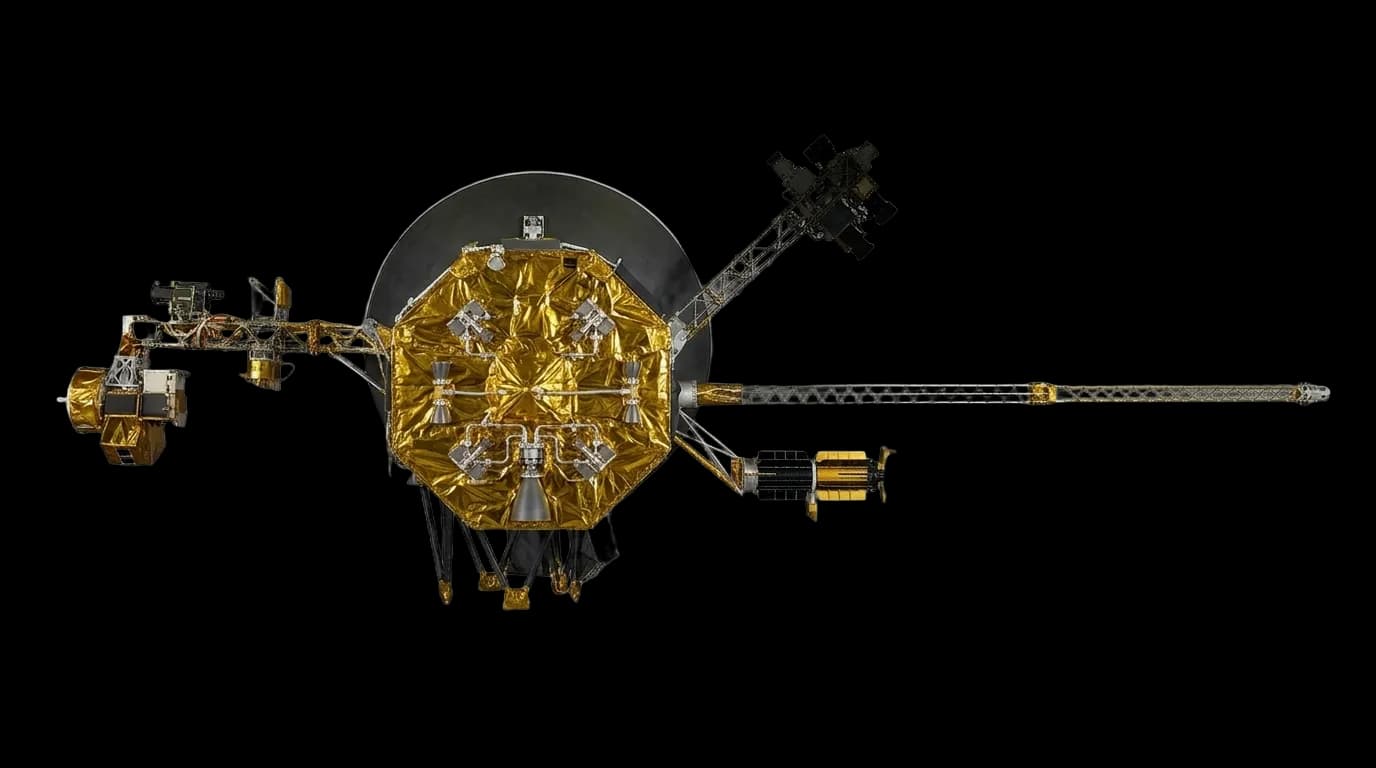
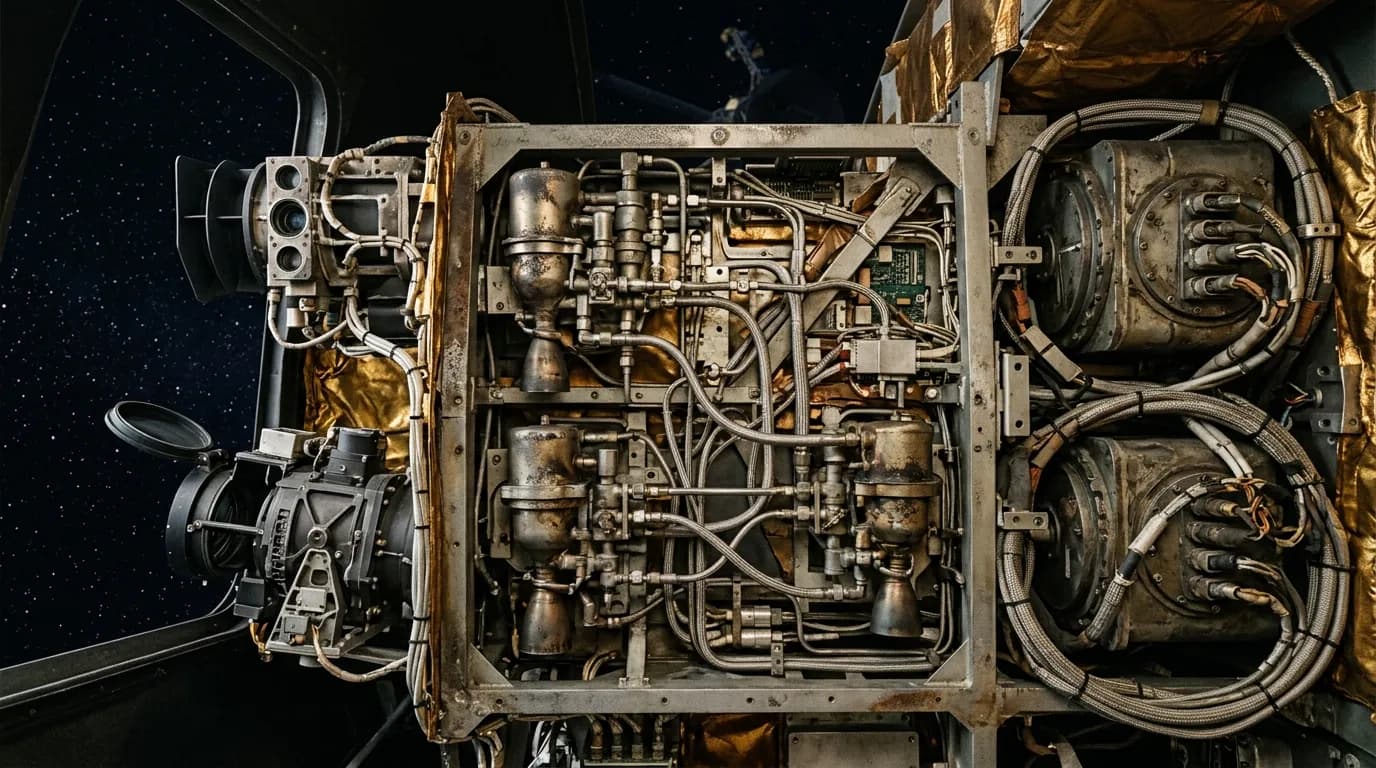
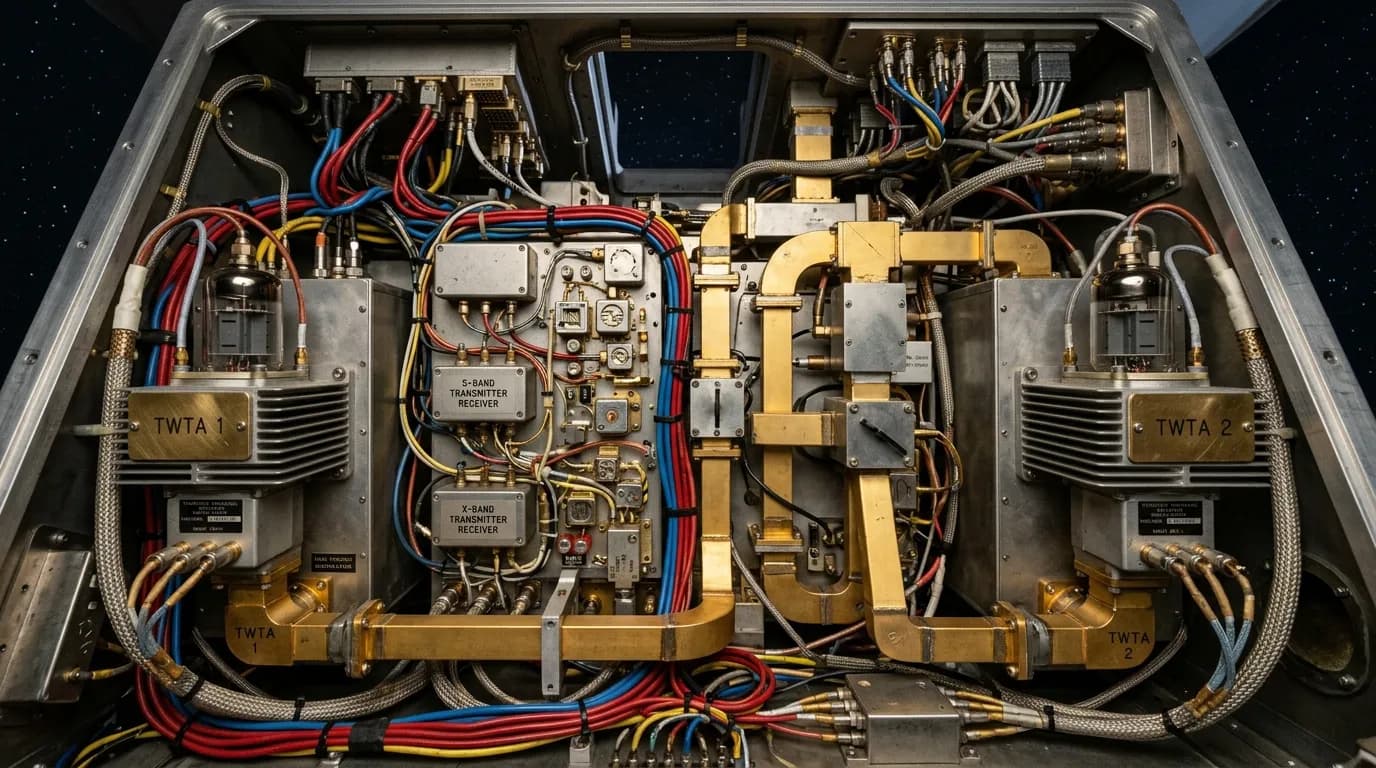
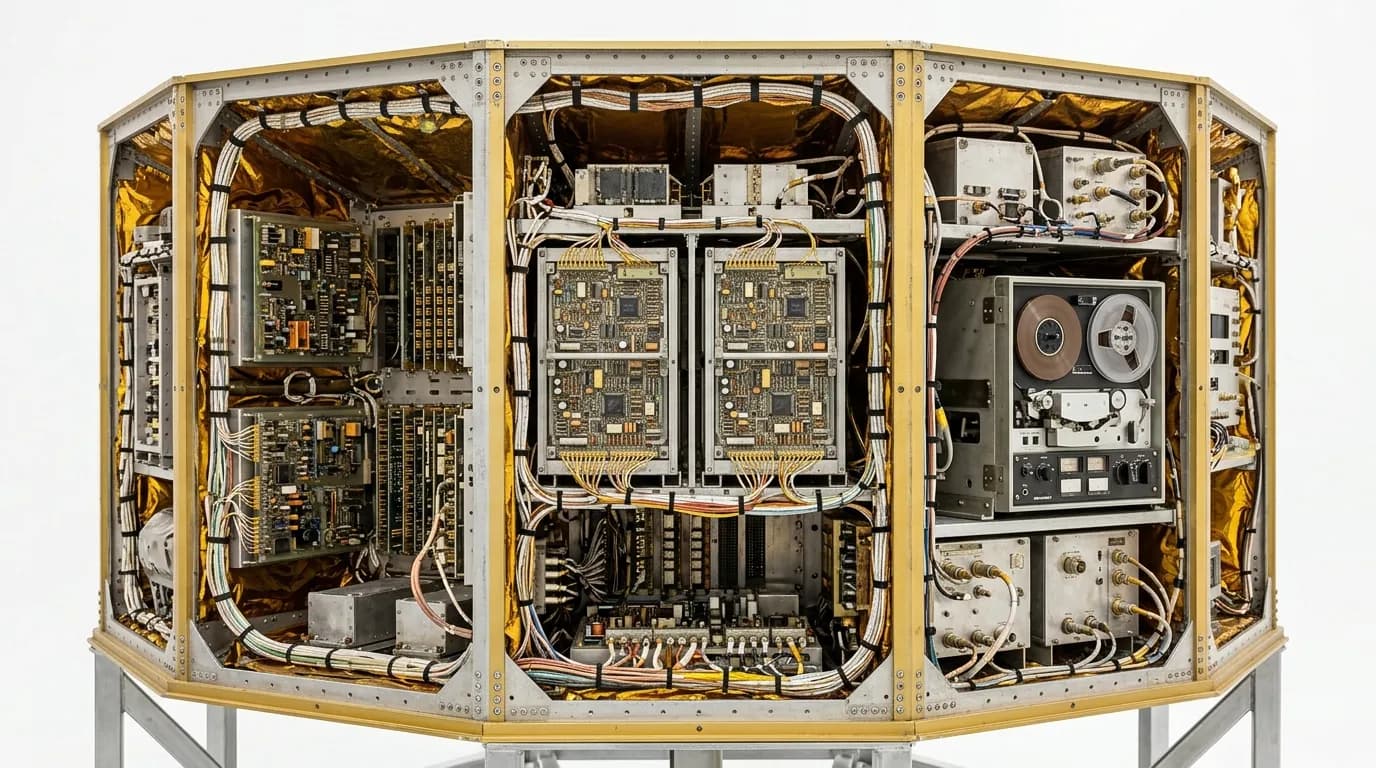
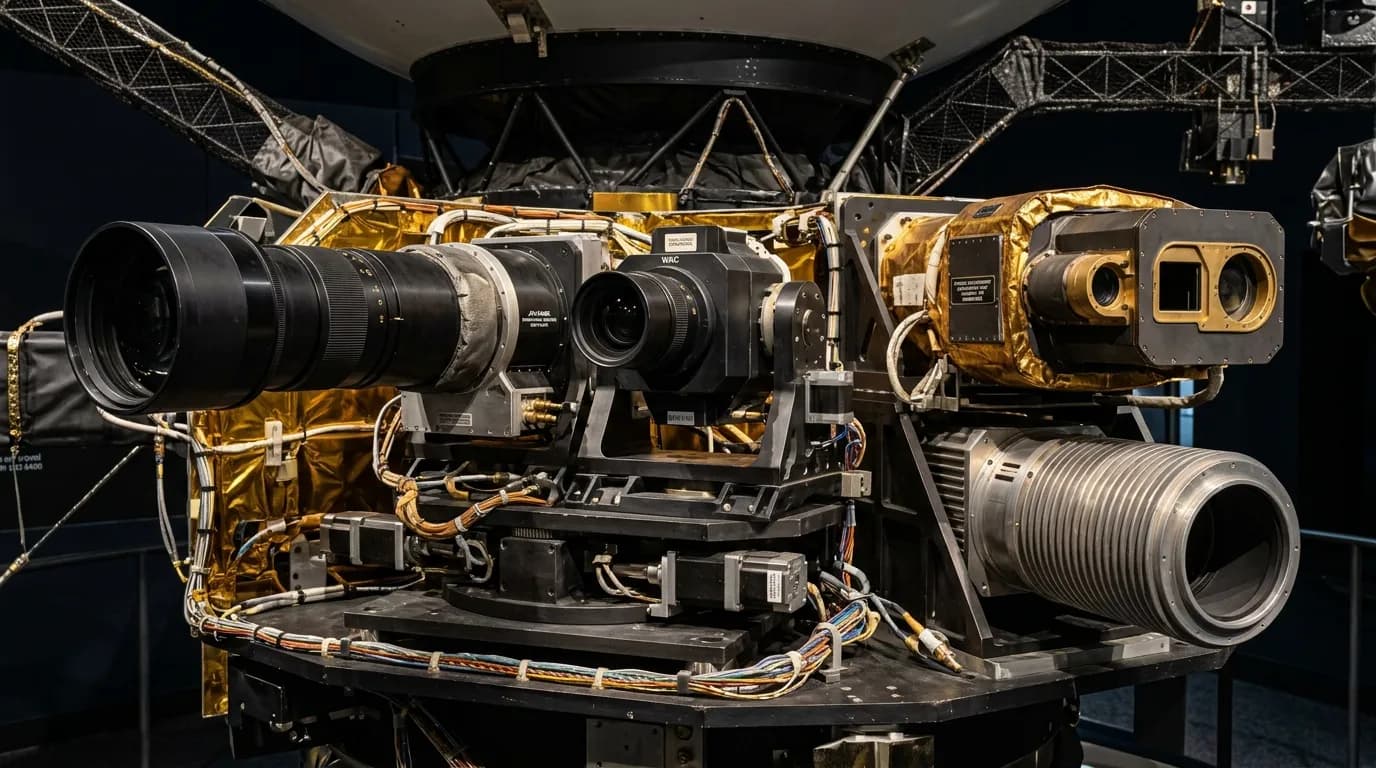
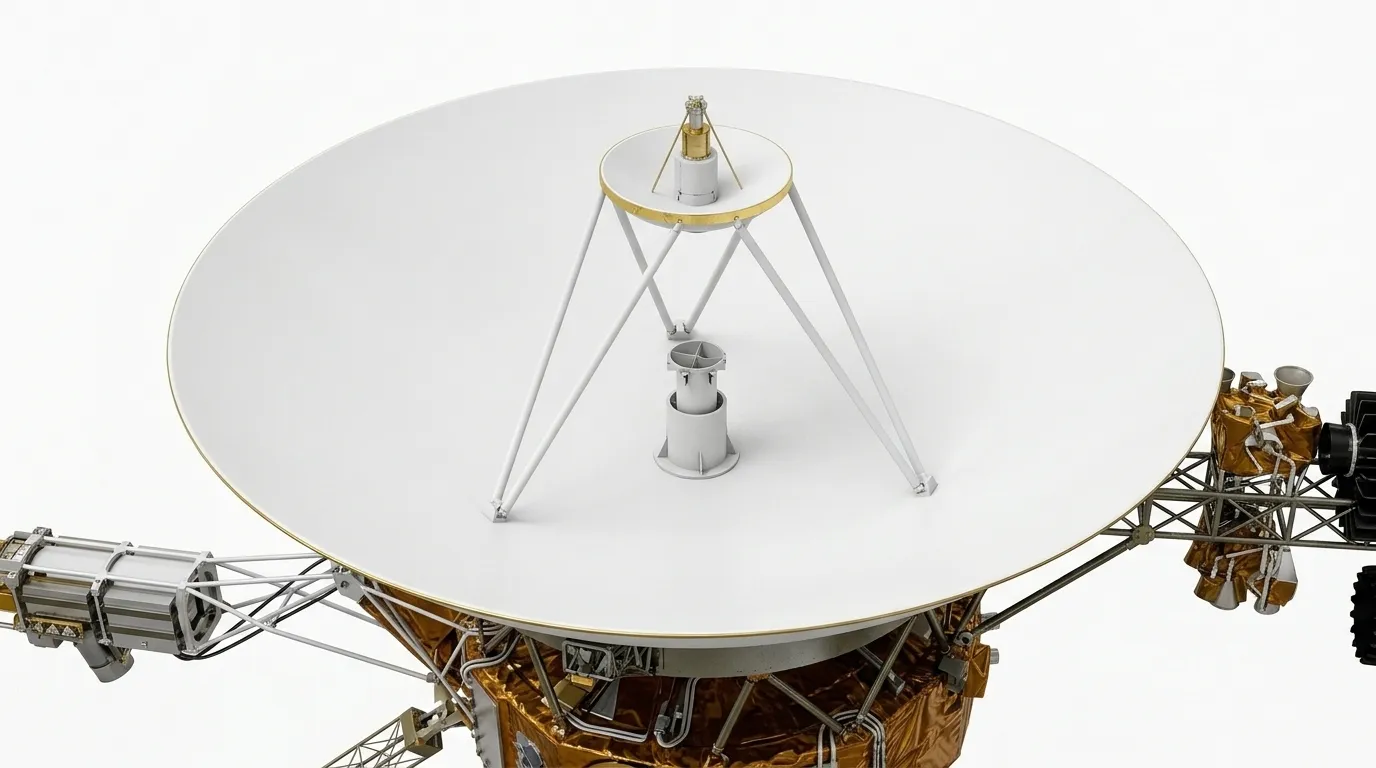
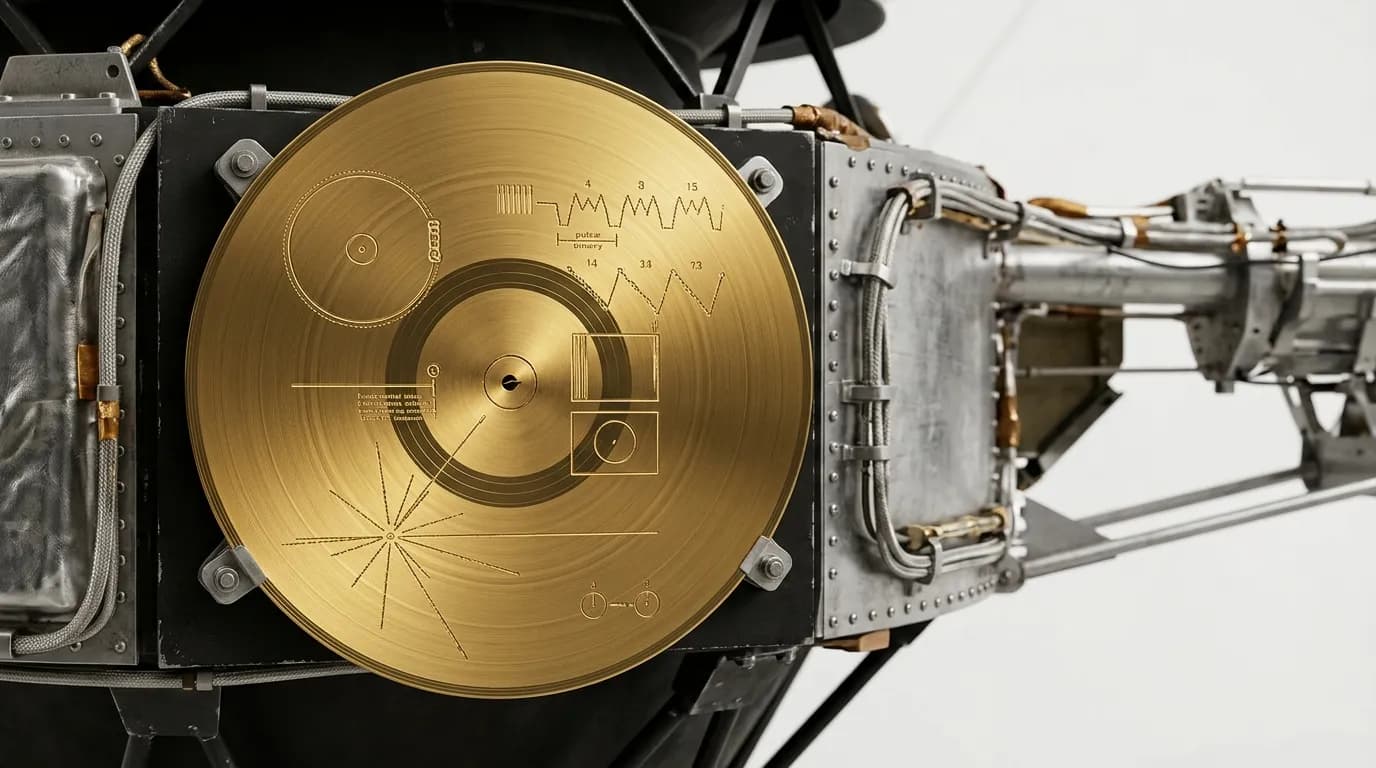
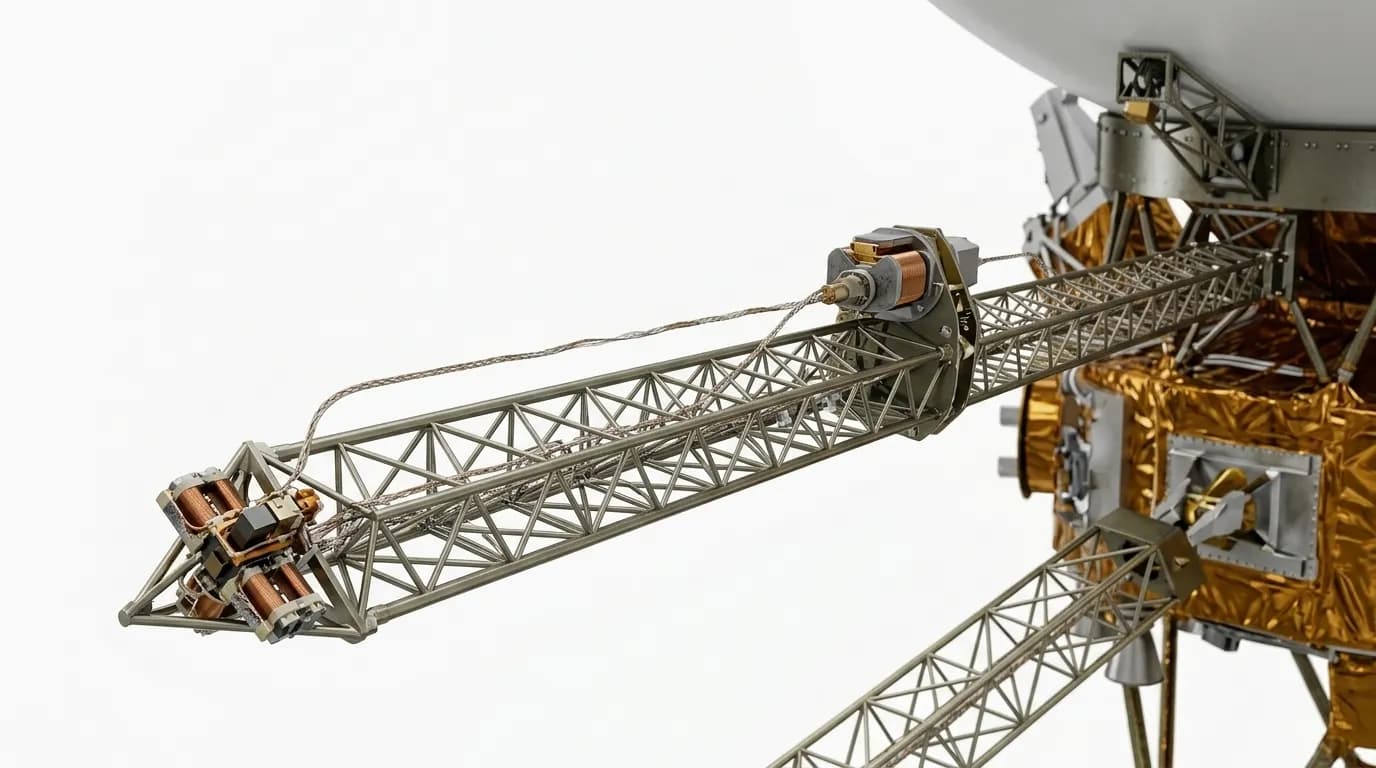
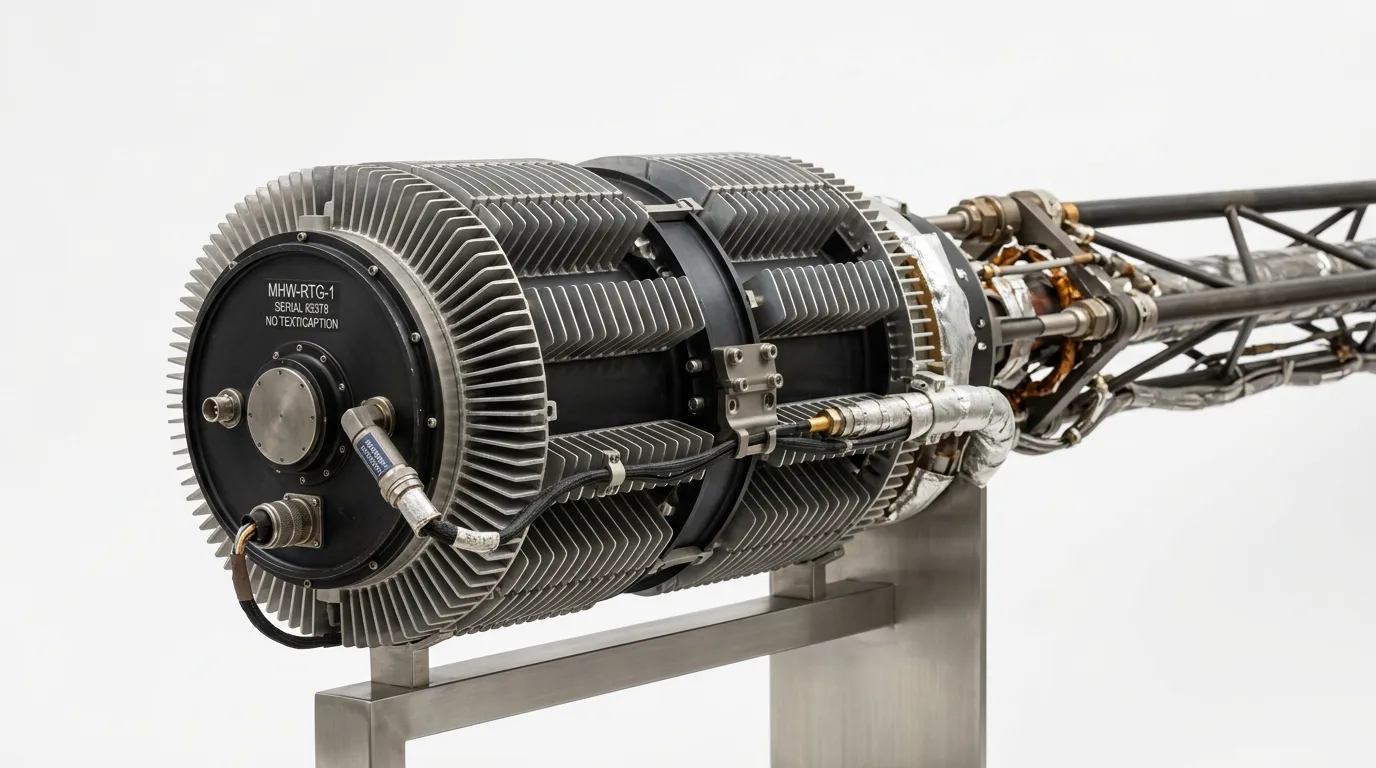
The farthest human-made object from Earth, now in interstellar space over 15 billion miles away. Voyager 1 discovered active volcanoes on Jupiter''s moon Io, detailed Saturn''s rings, and carries the Golden Record -- a message from Earth to the cosmos.
History
Voyager 1 launched on September 5, 1977, taking advantage of a rare planetary alignment that occurs once every 176 years, allowing a spacecraft to visit multiple outer planets using gravity assists. The probe flew past Jupiter in March 1979, discovering volcanic eruptions on Io -- the first time active volcanism was observed anywhere beyond Earth. Its images of Jupiter''s atmosphere revealed the intricate dynamics of the Great Red Spot and the planet''s banded cloud patterns in unprecedented detail.
At Saturn in November 1980, Voyager 1 provided the most detailed images ever taken of the ring system, revealing thousands of individual ringlets, gaps, and braided structures maintained by small shepherd moons. NASA chose to redirect Voyager 1 for a close flyby of Titan, Saturn''s largest moon, whose thick nitrogen atmosphere hinted at chemical processes reminiscent of early Earth. This trajectory adjustment flung the spacecraft out of the ecliptic plane, sacrificing visits to Uranus and Neptune, which were left to Voyager 2.
On February 14, 1990, at Carl Sagan''s request, Voyager 1 turned its camera back toward the inner solar system from a distance of 3.7 billion miles and captured the Pale Blue Dot -- Earth as a mote of dust suspended in a sunbeam. Sagan''s reflection on the image became one of the most quoted passages in science: ''Look again at that dot. That''s here. That''s home. That''s us.''
In August 2012, Voyager 1 crossed the heliopause and entered interstellar space -- the first human-made object to do so. Its plutonium-238 power source continues to generate enough electricity to run a handful of instruments, and the spacecraft still transmits data to Earth, its signal taking over 22 hours to arrive. The Golden Record bolted to its side carries greetings in 55 languages, music from Bach to Chuck Berry, and the brainwaves of a young woman in love.
Timeline
Launch Heritage
- Jupiter flyby
- Saturn flyby
- Pale Blue Dot photo
- Entered interstellar space 2012
Technical Specifications
Propulsion
Performance
Dimensions
Mass
Mission
Power & Systems
Source: NASA/JPL
Tags
Designed by NASA/JPL