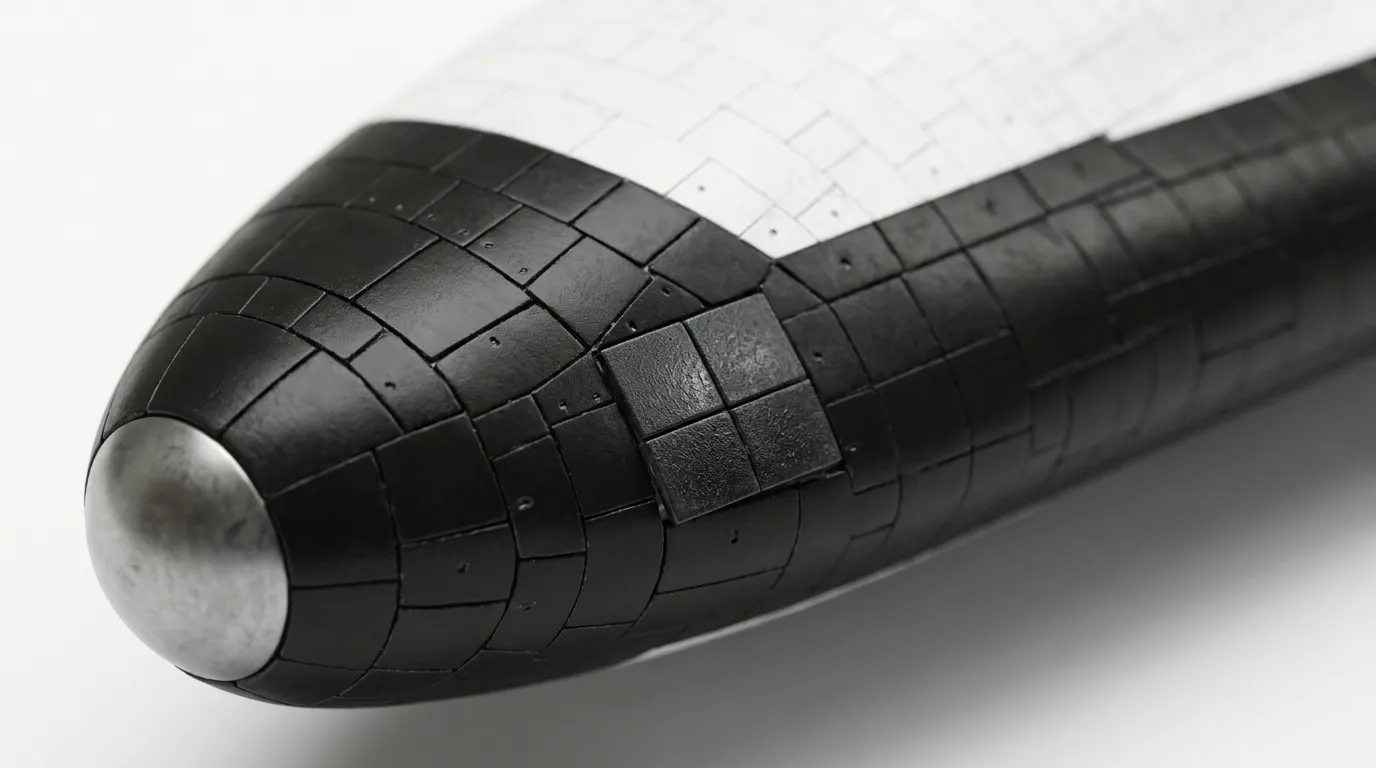
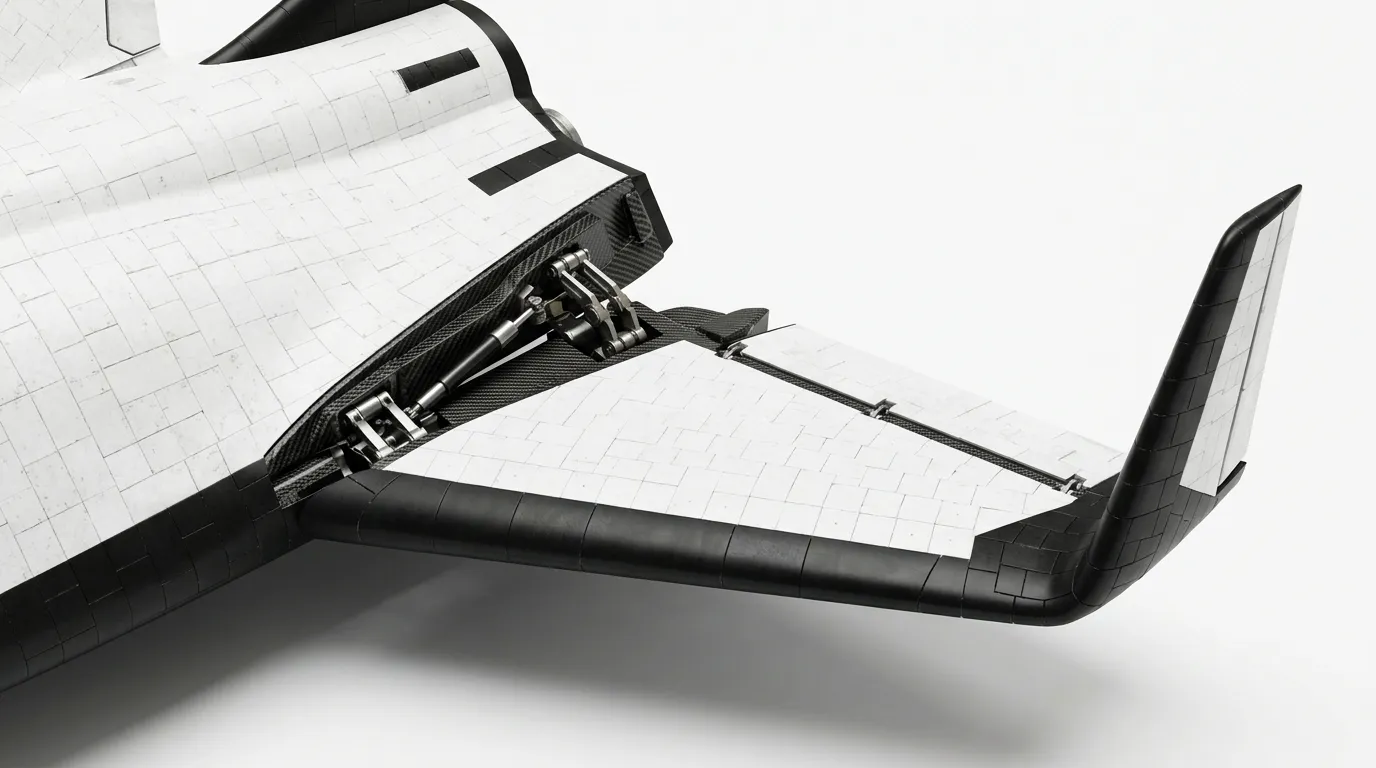
Dream Chaser

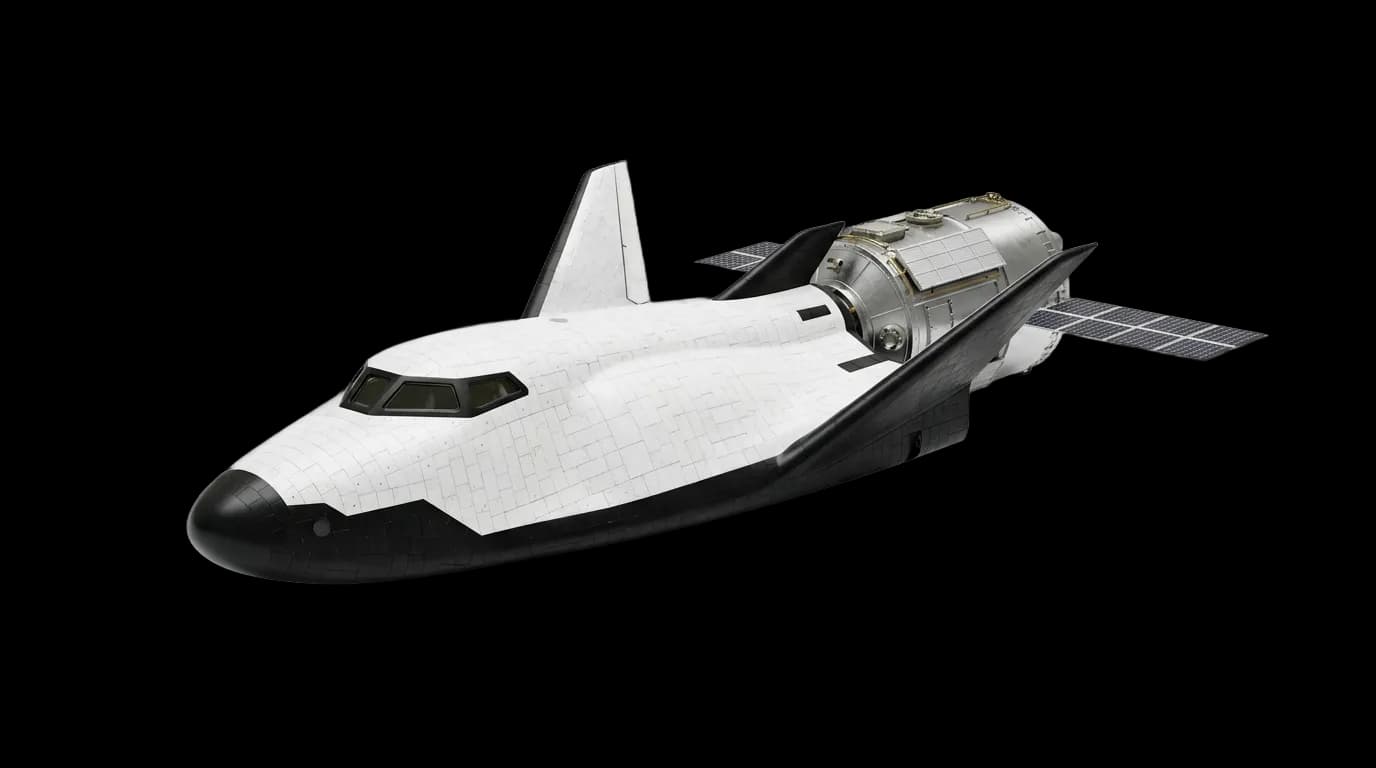
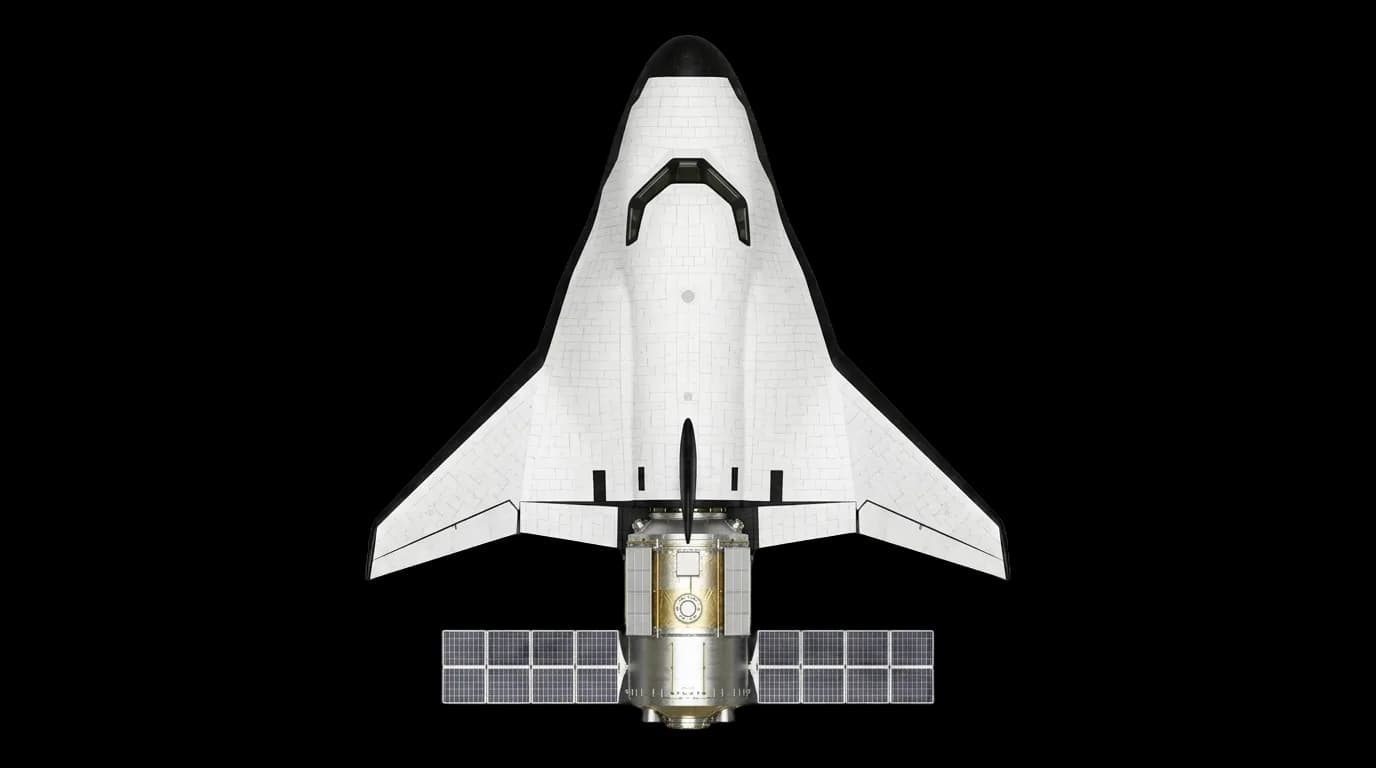
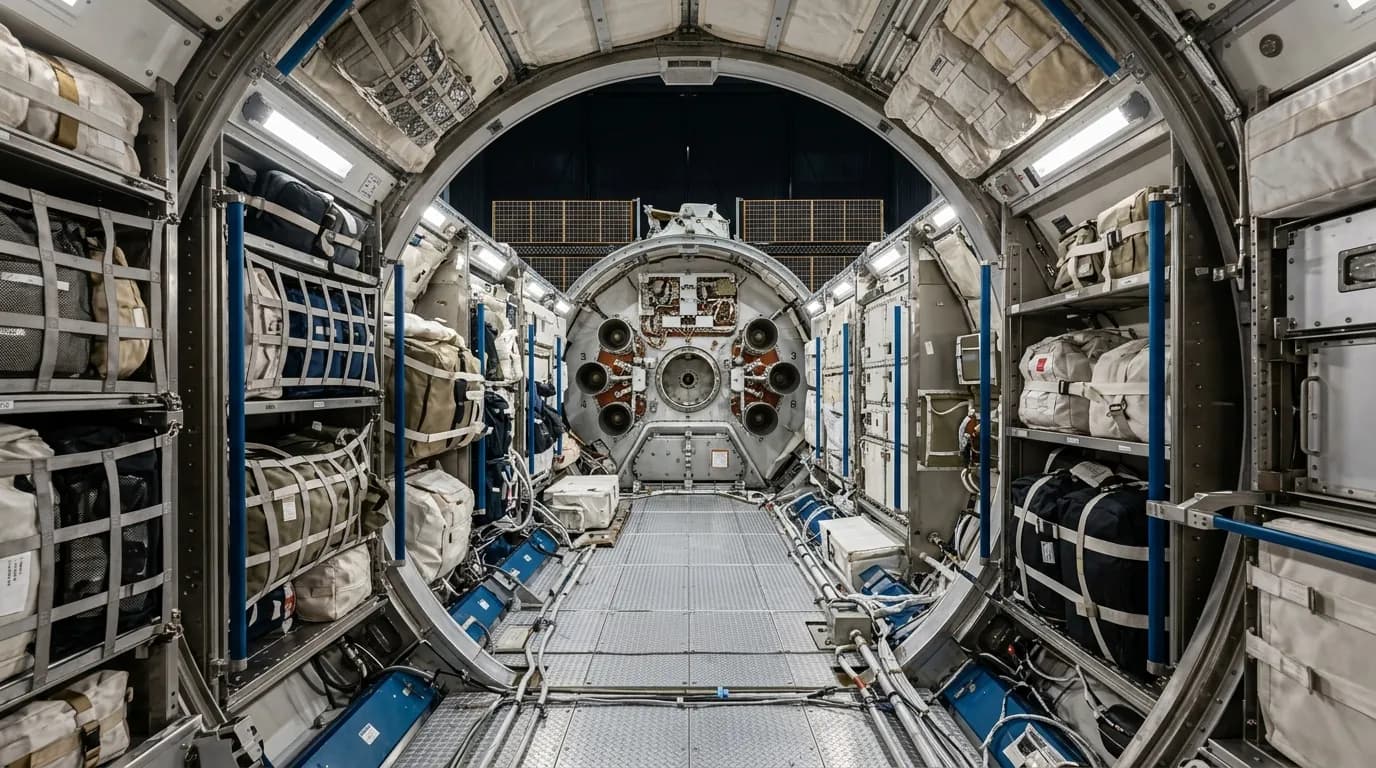
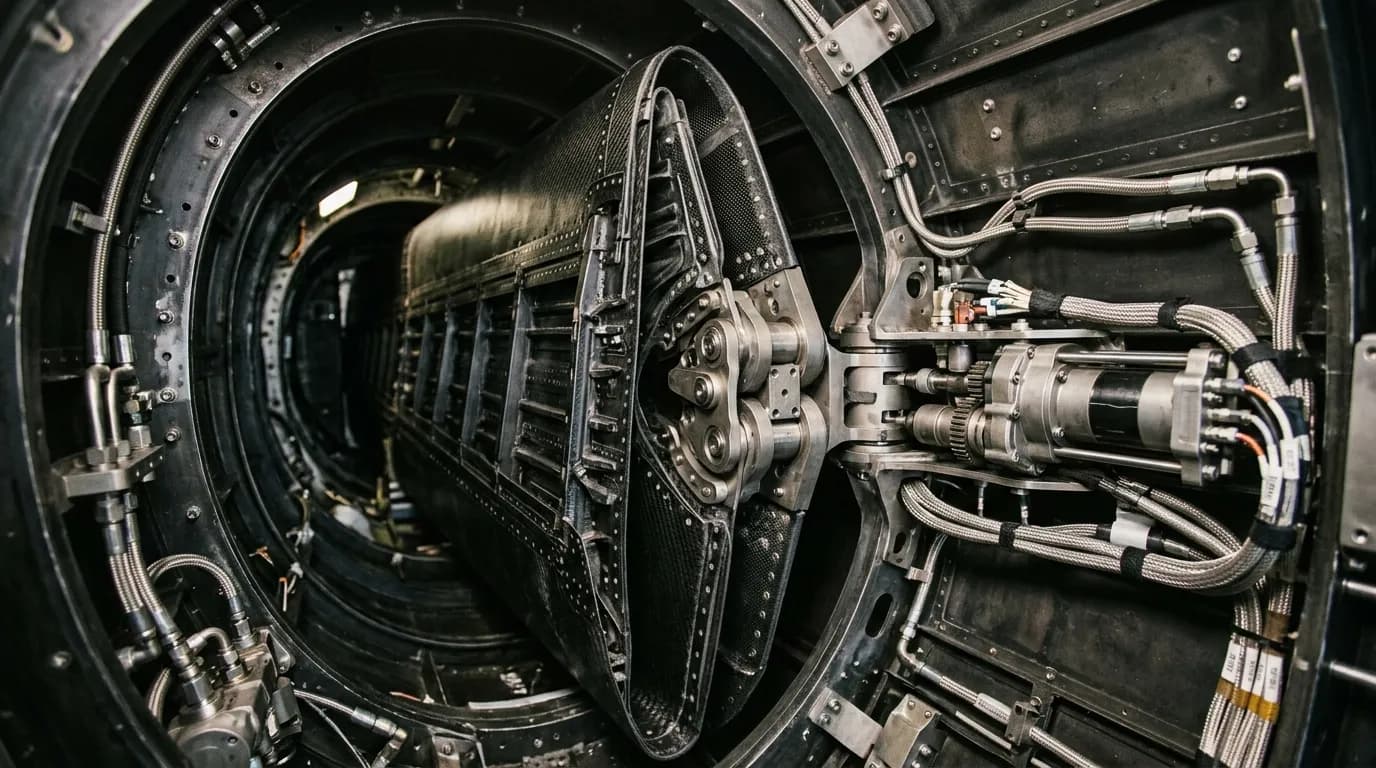
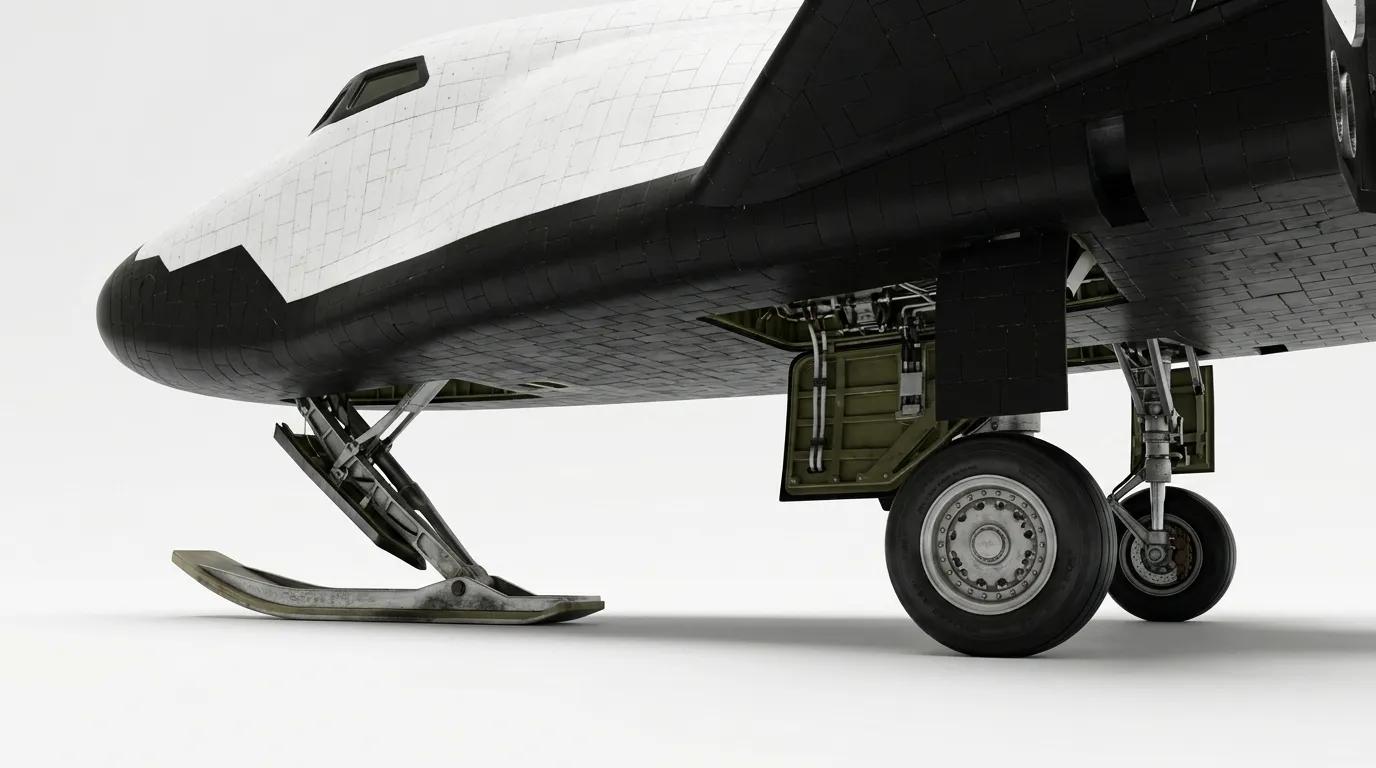
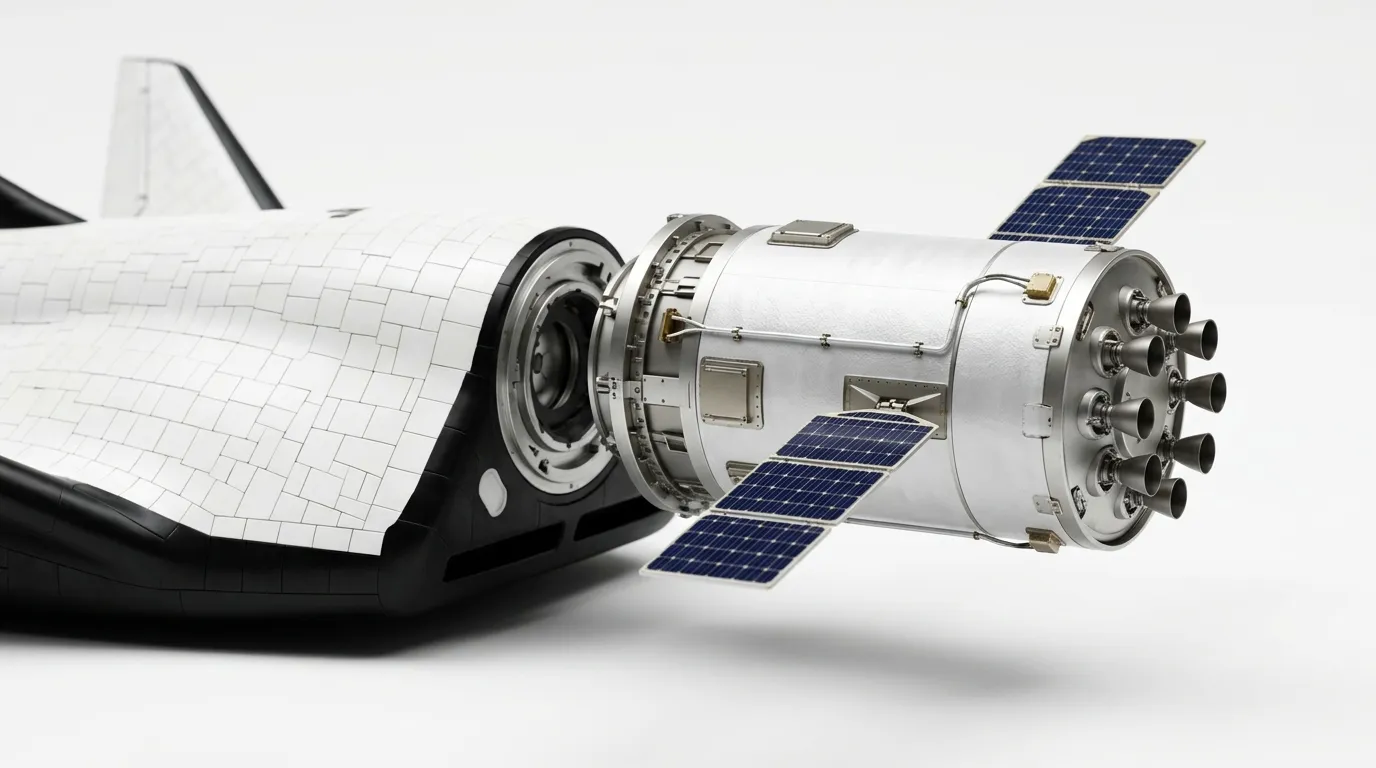
Sierra Space Dream Chaser 2024 - Hero viewSierra Space Dream Chaser 2024 - Top View viewSierra Space Dream Chaser 2024 - Profile viewSierra Space Dream Chaser 2024 - Bottom View viewSierra Space Dream Chaser 2024 - Avionics Bay viewSierra Space Dream Chaser 2024 - Cargo Bay viewSierra Space Dream Chaser 2024 - Shooting Star viewSierra Space Dream Chaser 2024 - Wing Mechanism viewSierra Space Dream Chaser 2024 - Landing Gear viewSierra Space Dream Chaser 2024 - Shooting Star viewSierra Space Dream Chaser 2024 - Tufroc viewSierra Space Dream Chaser 2024 - Wing view
Hero
First of its kind

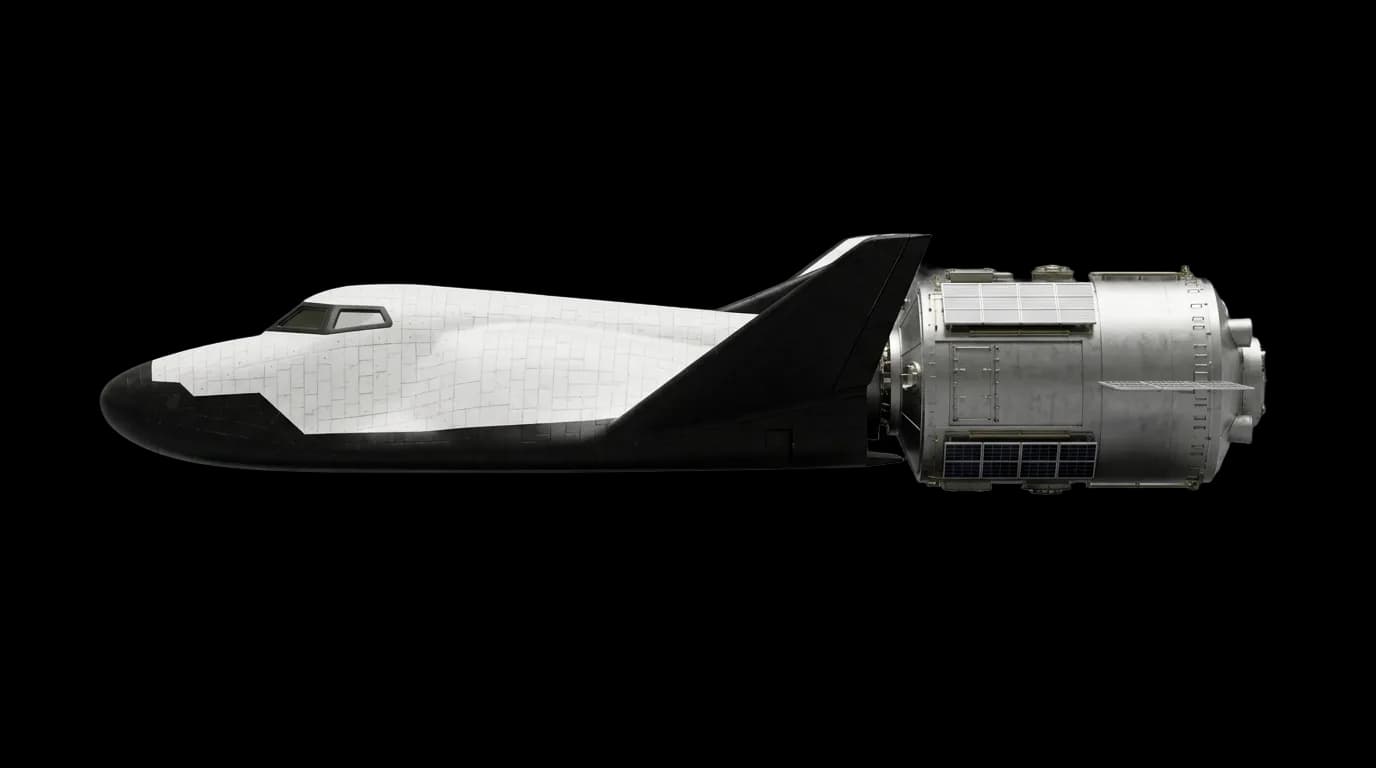
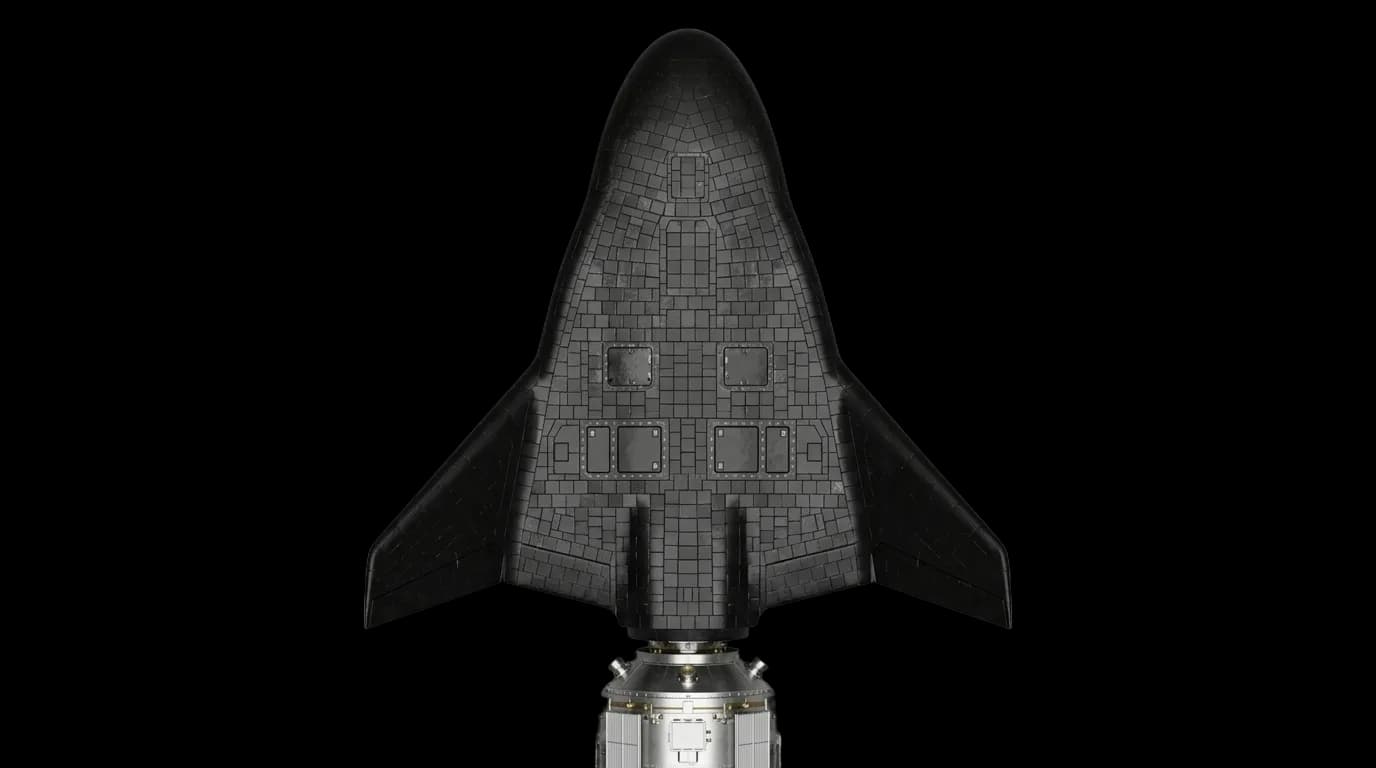
A reusable lifting-body spaceplane designed for runway landings, offering an alternative to capsule-based spacecraft for cargo and eventually crew delivery to the ISS. Its design traces back to NASA and Soviet lifting body concepts from the Cold War era.

History

Dream Chaser is a lifting-body vehicle -- it generates aerodynamic lift from its fuselage shape rather than from wings. The design traces its lineage through NASA''s HL-20 concept of the 1990s back to the Soviet BOR-4 lifting body tested in the 1980s, creating an unexpected genealogy that connects American and Soviet aerospace engineering.

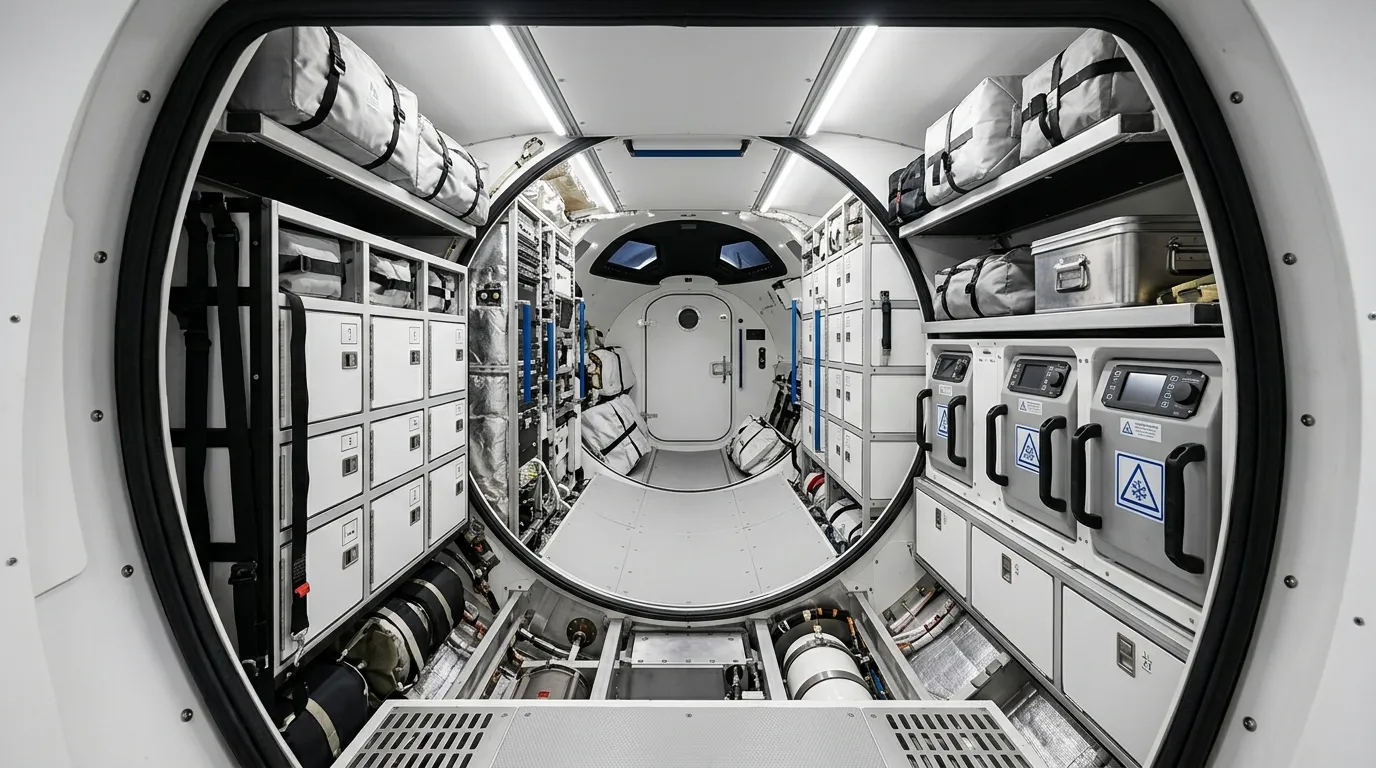
The cargo variant, Tenacity, is designed to carry up to 12,000 pounds of pressurized and unpressurized cargo to the International Space Station, launched on ULA''s Vulcan Centaur rocket. Unlike capsules that splash down in the ocean, Dream Chaser lands on conventional runways, enabling rapid access to time-sensitive experiments and payloads.

Sierra Space has a NASA Commercial Resupply Services 2 contract for at least seven cargo missions to the ISS. A crewed variant is planned for future development, which would carry up to seven astronauts. Dream Chaser represents the persistence of the spaceplane concept that began with the Space Shuttle and continues to appeal to engineers who envision airline-like operations in space.

Launch Heritage

Operational StatusIn_development
Service Period2026
DesignerMark Sirangelo / Sierra Space
Mission Typecrewed_orbital
ReusabilityPartially_reusable
Orbit TypeLEO
Target BodyEarth
Notable Missions
  • SNC Demo-1 (planned)

Technical Specifications

PropulsionN/A (Glider)
Height29.5 ft
Length29.5 ft
Diameter/Wingspan14.8 ft
Crew7
Gross Mass25,000 lbs
Empty Mass18,739 lbs

Propulsion

Engine ModelSNC Vortex hybrid engines (orbital maneuvering) + Aerojet Rocketdyne reaction control
Engine Count2
Engine ManufacturerSierra Space / Aerojet Rocketdyne
Thrust7.1 kN
PropellantHTPB/N2O (hybrid)

Performance

Payload to LEO5,500 kg

Dimensions

Height (m)5.5 m
Diameter (m)4.5 m
Length (m)9 m

Mass

Empty Mass (kg)9,000 kg
Gross Mass (kg)11,340 kg

Mission

Passengers7
Mission Duration75+ days (uncrewed CRS variant)
Success RateN/A (first mission pending)
ReusableYes

Power & Systems

Power Output6,000 W
Battery TypeSolar arrays + Li-ion batteries
InstrumentsISS cargo module (Shooting Star), pressurized and unpressurized cargo capacity, waste disposal via atmospheric burn-up
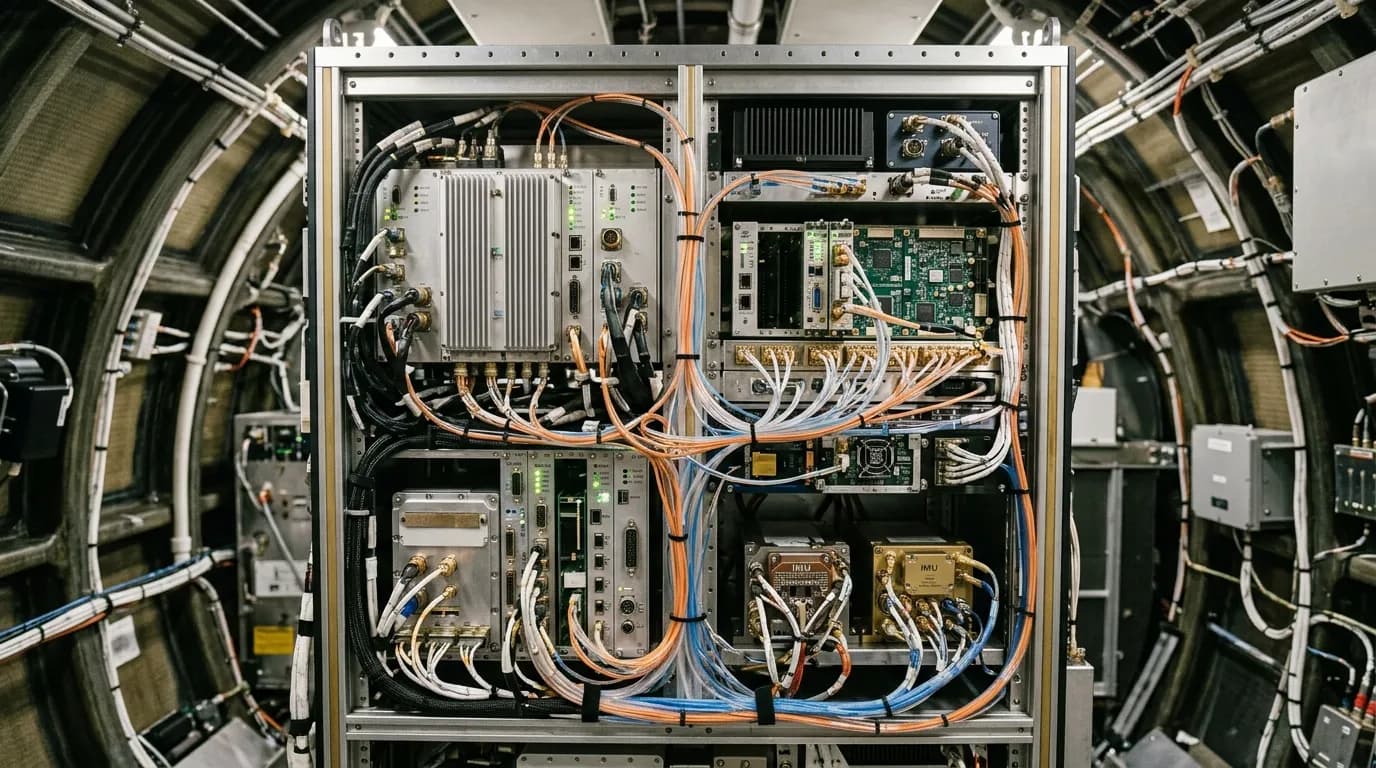
AvionicsSierra Space custom GN&C, autonomous landing on runway
Communication BandS-band, relay via TDRSS

Source: Sierra Space

Tags

Designed by Mark Sirangelo / Sierra Space
Featured in Collections

Keep Exploring

View all vehicles
Space HeritageCookie Preferences

We use only essential cookies to make this archive work. No tracking or advertising cookies.

Learn more